
Key takeaways
- No7 Protect & Perfect Intense Advanced Serum ranks as the best overall anti-aging serum, tested and reviewed by dermatologists specifically for women in their 40s, 50s, and 60s.
- Retinoids remain the gold standard for anti-aging, with the ability to boost collagen production, reduce wrinkles, fade hyperpigmentation, and improve skin texture.
- Board-certified dermatologist Professor Caitríona Ryan emphasizes that postpartum skin demands a fundamentally different approach: “The key principle postpartum is support rather than stimulation.
- Professor Ryan outlines a time-saving five-step postpartum Skincare routine designed for mothers managing full mental loads.
Clinical testing has proven that targeted anti-aging serums deliver measurable wrinkle reduction within weeks, with products like No7 Protect & Perfect Night Cream achieving a 13% reduction in wrinkles after just four weeks. Dermatologists now recommend a strategic approach to serum selection that balances proven anti-aging ingredients with the unique needs of aging skin, particularly for busy mothers navigating both postpartum recovery and long-term skin health. The market has responded with formulations that address dryness, fine lines, and loss of elasticity without overwhelming sensitive skin barriers.
Top-Performing Serums Deliver Measurable Anti-Aging Results
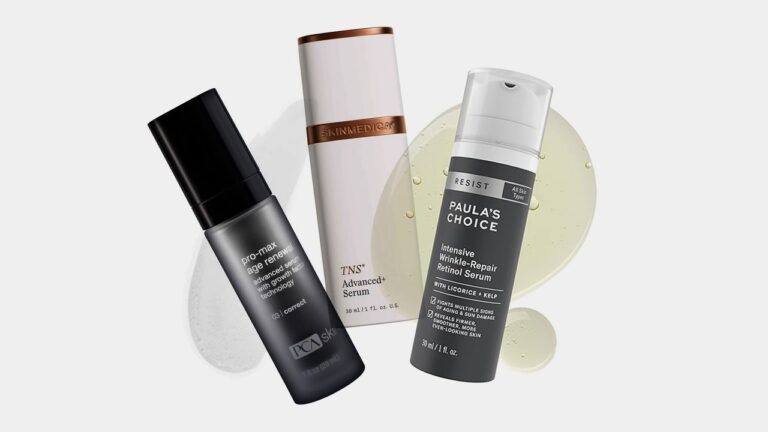
No7 Protect & Perfect Intense Advanced Serum ranks as the best overall anti-aging serum, tested and reviewed by dermatologists specifically for women in their 40s, 50s, and 60s. Olay Super Serum offers the best value for budget-conscious mothers, while PCA Skin Pro-Max Age Renewal Advanced Anti-Aging Serum stands out for superior hydration of dry skin while treating aging signs. Matter of Fact Wrinkle + Texture Concentrate provides the most effective retinol option for those ready to address fine lines and texture with a gold-standard ingredient.
Beyond these leading products, clinical evidence supports the efficacy of formulations containing hyaluronic acid as a wrinkle-fighting agent. A study found that adding a 1.5% Hyaluronic Acid-containing cosmeceutical improved signs of aging and skin quality, and remarkably, the HA-filler serum lengthened the duration of anti-aging results. SkinBetter Science’s AlphaRet Overnight Cream boosted skin firmness by 28%, while Neutrogena’s Rapid Wrinkle Repair reduced dark spots by approximately 13.5% in eight weeks, demonstrating that consistency with proven ingredients delivers tangible outcomes.
Strategic Ingredient Selection Separates Effective Serums from Ineffective Ones
Retinoids remain the gold standard for anti-aging, with the ability to boost collagen production, reduce wrinkles, fade hyperpigmentation, and improve skin texture. Dermatologists stress looking for products where retinol appears high on the ingredient list for maximum efficacy. However, the ingredient approach extends far beyond retinoids alone, requiring a comprehensive strategy that combines multiple active compounds.
Dermatologist Dr. Waldman recommends serums containing a combination of vitamin C, vitamin E, and ferulic acid for optimal anti-aging benefits. For dry, tight, and flaky skin specifically, he advocates for formulas with vitamin E, niacinamide, and glycolic acid, alongside ceramides—fatty molecules that hold skin together and prevent moisture loss. These combinations address both hydration and discoloration, two primary concerns for aging skin that has lost its Natural barrier function.
Postpartum Mothers Require a Different Anti-Aging Philosophy
Board-certified dermatologist Professor Caitríona Ryan emphasizes that postpartum skin demands a fundamentally different approach: “The key principle postpartum is support rather than stimulation. This is not the time for aggressive routines or dramatic changes.” This guidance reflects the unique vulnerability of postpartum skin, which experiences increased dryness and hormonal acne alongside the natural desire to address accelerated aging signs.
Postpartum hormonal changes trigger increased dryness and postpartum melasma—dark spots caused by pigmentation shifts. Niacinamide (Vitamin B3) emerges as the ideal postpartum ingredient, fading dark spots while improving elasticity and reducing redness without irritation. Hyaluronic Acid, Glycerin, Squalane, and Holy Basil counteract dryness effectively. Conversely, retinoids, high-dose salicylic acid, and hydroquinone must be avoided during pregnancy and the postpartum period, making alternative formulations essential for this life stage.
A Five-Step Postpartum Routine Simplifies Anti-Aging Care for Busy Mothers
Professor Ryan outlines a time-saving five-step postpartum Skincare routine designed for mothers managing full mental loads. Step one involves simplifying to essentials only, eliminating unnecessary products that demand attention. Step two prioritizes barrier repair through ceramides, glycerin, hyaluronic acid, ectoin, and niacinamide—ingredients that restore protective function rather than stimulate change.
Steps three through five address the practical realities of postpartum skin: introduce actives cautiously with only one new product at a time in lower strengths, manage breakouts gently by avoiding over-cleansing or scrubbing, and make sun protection non-negotiable with tinted mineral SPF containing iron oxides. This supportive approach targets postpartum melasma and hormonal acne without overwhelming skin. SKN TO SKN’s Multi-tasking Face Serum represents this philosophy, containing astaxanthin, peptides, and azelaic acid as a well-tolerated retinol alternative that manages breakouts and texture without retinoid irritation.
Barrier Repair Ingredients Drive Long-Term Anti-Aging Success
Beyond individual star ingredients, successful anti-aging serums combine multiple compounds that work synergistically to repair and maintain skin health. Niacinamide (Vitamin B3) improves elasticity and reduces redness while fading pigmentation, making it foundational for aging skin. Peptides—including Palmitoyl Pentapeptide-4 and Acetyl Hexapeptide-8—signal skin to produce more collagen, directly targeting fine lines and wrinkles at the cellular level.
Antioxidants including Green Tea Extract, Vitamin E, and Ferulic Acid protect against environmental damage that accelerates aging. Together, these ingredients address the core concerns of aging skin: loss of moisture, reduced collagen production, and accumulated environmental damage. The combination approach explains why dermatologist-recommended formulations contain multiple active compounds rather than relying on single-ingredient solutions.
Clinical Testing Validates Anti-Aging Serum Performance Over Time
The evolution of anti-aging serums reflects decades of dermatological research proving that specific formulations deliver measurable results. No7 Protect & Perfect Night Cream achieved 13% wrinkle reduction in four weeks—a timeline that demonstrates visible improvements occur faster than many consumers expect. SkinBetter Science’s AlphaRet Overnight Cream’s 28% firmness boost showcases how retinoid alternatives can match traditional retinol efficacy while remaining gentler on sensitive skin.
Consistency emerges as the critical variable in serum success, with visible results typically appearing after a few months of regular use. These clinical benchmarks guide mothers in setting realistic expectations and selecting products aligned with their specific aging concerns, whether dryness, fine lines, texture, or hyperpigmentation.
What Mothers Should Monitor in Their Anti-Aging Serum Routine
As mothers incorporate anti-aging serums into simplified skincare routines, tracking skin response becomes essential for long-term success. Introducing one new product at a time allows identification of beneficial effects versus potential irritation, particularly important for postpartum skin still recovering hormonal balance. Monitoring for increased dryness, redness, or breakouts guides adjustments before minor reactions escalate.
Mothers should expect to evaluate serum effectiveness over 6-12 weeks, allowing sufficient time for collagen production changes and barrier repair to manifest visibly. The combination of clinically proven ingredients, personalized selection based on skin type and life stage, and consistent application positions anti-aging serums as non-negotiable investments in skin health during the demanding years of motherhood.
