
Key takeaways
- Body acne develops from clogged pores and inflammation, with back skin more vulnerable than facial skin due to a naturally weaker barrier.
- Six tested treatments in spray, wash, serum, pad, and lotion formats use salicylic acid, retinol, and exfoliating acids to target breakouts across different body areas.
- Back and chest skin requires gentler treatment than facial acne routines; use strong actives only a few times weekly and always follow with moisturizer.
Body acne affects countless people regardless of where it appears—backs, chests, and buttocks are all common sites for breakouts that can be as frustrating to treat as facial acne. While body pimples are completely normal, finding effective treatments means navigating a wider variety of products and formats than what you’d typically use on your face. The challenge lies partly in reaching certain areas and partly in using the right ingredients without overwhelming skin that sometimes responds differently than your complexion does.
How Body Acne Develops and What Makes It Difficult to Treat
The cycle of congestion and inflammation
Body acne begins with a familiar mechanism: pores become clogged with excess oil and dead skin cells, which then triggers inflammation. According to board-certified dermatologist Heidi Prather, MD, based in Texas, this creates an “inconvenient and unfortunate cycle of clogged pores, inflammation, and poor skin turnover.” The result can range from small blackheads to inflammatory pustules and, in more severe cases, deep cystic lesions. Understanding this progression helps explain why preventive treatments targeting exfoliation and oil control work so effectively.
Why back and chest skin behave differently
Although back skin might feel tough, it actually tends to be more sensitive than facial skin. Research published in the Journal of Cosmetic Dermatology found that back acne often appears more severe due to both a weaker skin barrier and microbial imbalances. According to Dr. Kseniya Kobets, a board-certified dermatologist based in New York, this discrepancy creates a problematic cycle: when the skin’s natural lipid barrier becomes compromised, the result is increased oil production and further microbial imbalance. This distinction matters when selecting treatments, since products effective on the face may prove too harsh for body skin.
Identifying and eliminating common triggers
Before selecting acne treatments, identifying what might be causing breakouts proves equally important. Hair products containing silicones and oils frequently leave residue that clogs pores, as do heavy massage creams and oils applied during bodywork. Dr. Prather recommends screening all products for comedogenic ingredients and choosing lighter lotions when getting massages. Even seemingly unrelated items like certain conditioners, leave-in products, and massage oils can contribute to persistent body acne if they contain pore-clogging ingredients.
The Ingredients That Combat Body Breakouts
Salicylic acid remains the standard
Salicylic acid appears in most effective body acne treatments for good reason: at concentrations like 2%, it clears excess oil and removes dead skin cells that accumulate in pores. This ingredient shows up in numerous formulations across different product types, from cleansing washes to lightweight lotions, convenient pads, and even spray treatments designed for difficult-to-reach areas. The consistency of this ingredient across product categories reflects its proven ability to address the root cause of body breakouts.
Retinol and plant-based alternatives
While retinol is familiar as an anti-aging ingredient, it also addresses acne by encouraging skin cell turnover and preventing dead cells from accumulating and clogging pores. According to Dr. Geeta Yadav, a board-certified dermatologist in Toronto, retinol helps address both breakouts and the discoloration they leave behind. For those who prefer plant-derived options, bakuchiol serves as a retinol alternative that can regulate cell turnover and reduce inflammation without the potential irritation some experience with traditional retinol.
Chemical exfoliants and supporting actives
Glycolic and lactic acids work by dissolving the bonds between dead skin cells, loosening buildup and clearing congested pores. When combined with other actives like gluconolactone, these ingredients create more thorough exfoliation. Many treatments also include skin-supporting components: ceramides and niacinamide strengthen the skin barrier that becomes compromised during breakouts, while ingredients like centella asiatica (commonly called cica) soothe irritation caused by acne-fighting actives.
Six Treatments Tested and Recommended
According to Allure’s evaluation process, each of these products was tested across multiple categories including ingredient efficacy, packaging, texture, and performance. The selection represents different formats and strengths to match various preferences and severity levels.
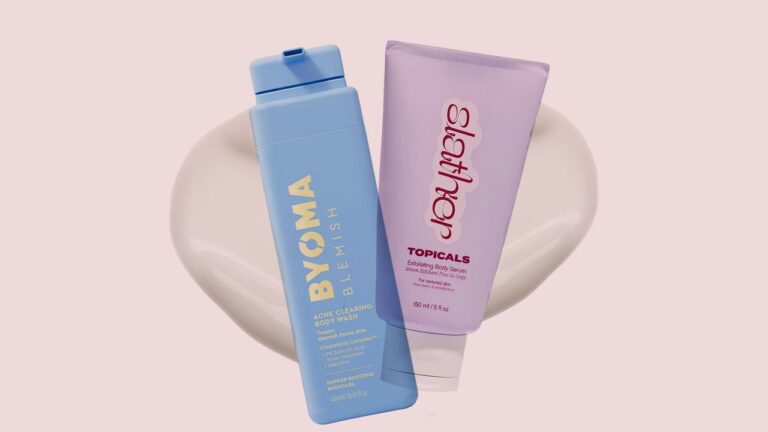
Topicals Slather Exfoliating Body Serum combines retinol, glycolic acid, and lactic acid with squalane and urea for hydration. Despite its name as a serum, it has a milky texture that absorbs like a lightweight lotion, making daily application straightforward. The formula addresses both active breakouts and post-inflammatory marks left behind. Sun protection of SPF 30 or higher becomes essential when using this product, since retinol increases sun sensitivity.
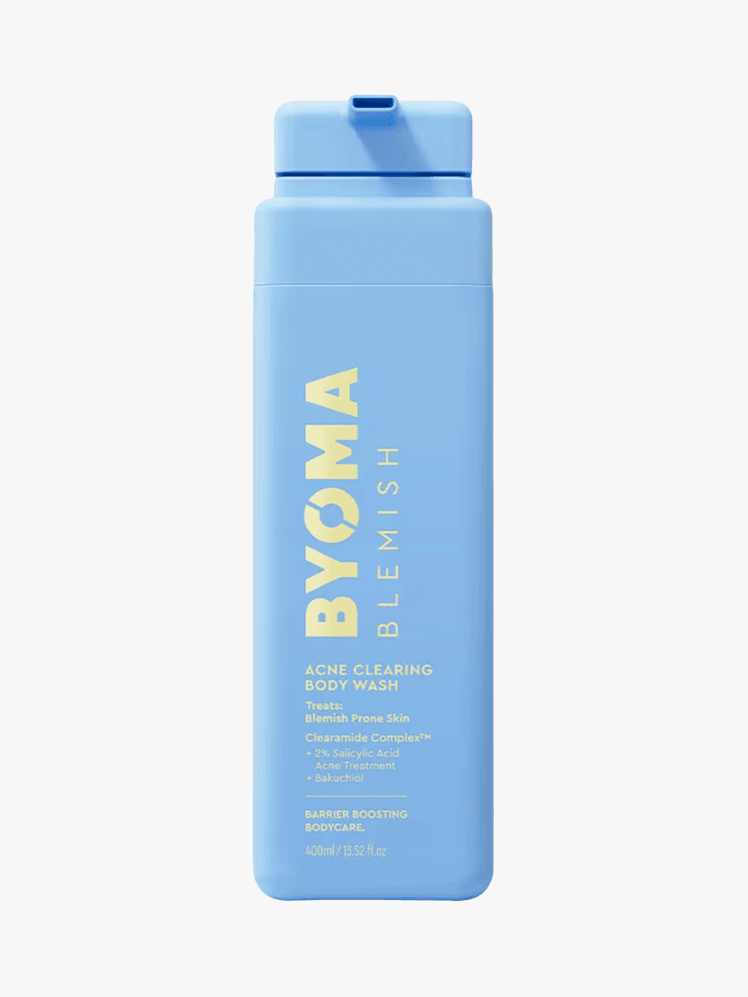
Byoma Blemish Acne Clearing Body Wash uses 2% salicylic acid combined with bakuchiol, and despite being a rinse-off product, even 60 seconds of contact provides meaningful benefit. Ceramides and phytosphingosine maintain the skin barrier, while glycerin draws in moisture. According to Dr. Alexandra Bowles, a board-certified dermatologist in Cincinnati, this formula distinguishes itself by addressing acne without compromising the skin barrier, a common complaint with more aggressive options. Those with sensitive skin should note that the formula contains witch hazel water, which can irritate certain skin types despite its oil-controlling benefits.
Paula’s Choice Weightless Body Treatment 2% BHA balances acne-fighting salicylic acid with skin-softening vitamin E and dimethicone. The texture feels more like everyday lotion than clinical treatment. According to Dr. Dendy Engelman, a board-certified dermatologist in New York City, this lightweight formula proves especially useful for those wanting to treat breakouts while maintaining hydration. Green tea, chamomile, and allantoin help calm irritation for those who have overused physical exfoliants.
Nécessaire The Body Exfoliator, a 2023 Allure Best of Beauty Award winner, combines physical and chemical exfoliation. Fine pumice particles manually buff away dead skin while a blend of glycolic, lactic, salicylic, and gluconolactone acids chemically dissolves cellular buildup. Marula oil and niacinamide prevent the dryness that often accompanies exfoliating treatments. A fragrance-free version accommodates those sensitive to essential oils. According to Dr. Lauren Moy, a double board-certified dermatologist in Los Angeles, it works best for congestion because it simultaneously dissolves cellular bonds and removes surface debris.
First Aid Beauty Acne Clearing Pads provide convenient, portable treatment that works on both body and facial breakouts. Formulated with 2% salicylic acid and rosemary extract, they clear oil and minimize pore appearance without over-drying. The pad format allows for quick morning application and precise targeting of upper back areas that prove difficult to reach with other products.
Glytone Acne Treatment Spray Back & Chest addresses the unique challenge of treating hard-to-reach areas. The spray bottle design makes application to the back feasible without contortion, delivering 2% salicylic acid with centella asiatica to soothe and balance the treatment. Dr. Prather specifically recommends this user-friendly format for back acne, noting that spray bottles solve the practical problem of applying topicals to areas clients cannot easily reach.
Choosing the Right Format for Your Needs
Sprays for accessibility
When treating areas like the upper back that are difficult to reach, spray formulas prove invaluable. They mist evenly across large areas without requiring hand or applicator contact, making them practical for daily use and midday touch-ups.
Lightweight formulas you’ll actually use
Products that feel heavy or greasy often go unused, no matter their effectiveness. Serums and lotions designed to absorb quickly and leave skin feeling soft encourage consistent application, which is essential for acne management.
Pads for convenience and targeted application
Pre-saturated pads offer both portability and precision. They work for quick morning applications, post-shower use, or midday refresh when breakouts flare during hot, sweaty days.
Building a Body Acne Routine Without Overdoing It
An essential distinction between treating body acne and facial acne is intensity. While you might use potent actives on your face multiple times daily, body skin, especially the back, requires a gentler approach. Dr. Prather advises that back skin cannot tolerate the same treatment routines used on the face. Instead, Dr. Kobets recommends starting with pH-balanced cleansers that include humectants like glycerin, followed by lightweight, non-comedogenic lotions containing ceramides and niacinamide. When using strong actives like benzoyl peroxide, apply sparingly: just a few times weekly and ideally layered over moisturizer to reduce irritation.
The goal is consistent, sustainable treatment rather than aggressive intervention. A body wash that addresses acne during your shower, followed by a lightweight treatment or convenient pads for maintenance, typically outperforms occasional intense treatments that irritate skin and disrupt the barrier.
Source: Allure
Frequently Asked Questions
Why does body acne form?
Body acne develops when pores become clogged with excess oil and dead skin cells, triggering inflammation. Common triggers include hair products with silicones and oils, heavy massage creams, and oils that leave residue on skin. Additionally, back skin has a naturally weaker barrier and microbial imbalances compared to facial skin, making it more prone to breakouts.
What ingredients should I look for in body acne treatments?
The most effective treatments contain salicylic acid to clear oil and dead skin cells, or retinol and bakuchiol to encourage cell turnover. Many also include glycolic and lactic acids for additional exfoliation. Supporting ingredients like ceramides, niacinamide, and centella asiatica strengthen the skin barrier and reduce irritation from acne-fighting actives.
Can I use the same acne products on my body that I use on my face?
No. Back and chest skin cannot tolerate the same treatment routines as facial skin because body skin is more sensitive due to a weaker barrier and microbial imbalances. Instead, use gentler approaches with pH-balanced cleansers, lightweight non-comedogenic lotions, and limit strong actives like benzoyl peroxide to just a few times weekly, applied over moisturizer.
