
Key takeaways
- Butter yellow nails have evolved from simple 2024 solids to intricate 2026 designs inspired by Dior and Chanel runways.
- The shade works in professional settings and flatters all skin tones when you select the right saturation level for your complexion.
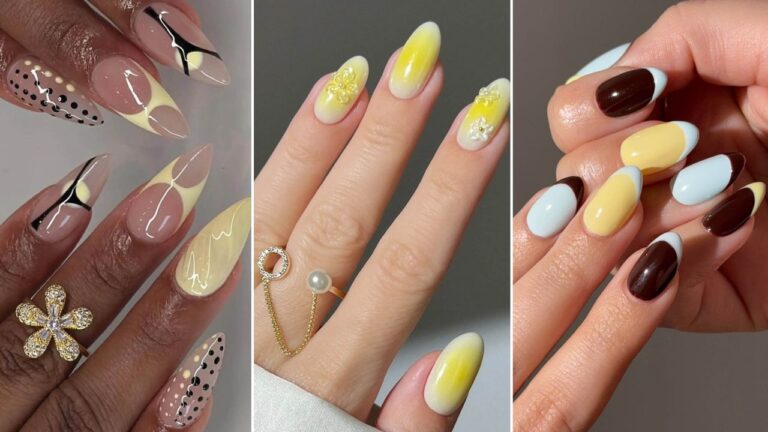
- Design options include French tips, 3D florals with gems, polka dots, cat-eye finishes, and butter-inspired imitation nails.
- The trend endures because butter yellow symbolizes optimism, warmth, and calm—qualities people actively seek during uncertain times.
From Solid Shade to 2026 Statement Designs
When nail artist Jin Soon Choi first introduced butter yellow as “the neutral of the summer” in 2024, the trend found immediate champions. Selena Gomez and Hailey Bieber both embraced the shade that year, establishing it as the season’s go-to color for anyone seeking an alternative to traditional nude polishes. What started as a solid, monochromatic look has since transformed into something far more elaborate. Rather than appearing on feeds as simple, flat manicures, butter yellow nails in 2026 have become canvases for intricate design work and artistic expression.
The runway showed us where the color was heading. When Dior unveiled its fall 2026 collection, the brand featured milky yellow heels adorned with three-dimensional flowers—a playful nod to how nail artists have begun interpreting the trend. Chanel’s autumn and winter 2026 offerings continued this conversation, presenting textured pieces in the same golden hue. These high-fashion references aren’t lost on manicurists. Los Angeles-based nail artist Yoko Sakakura explains that contemporary takes on butter yellow now embrace playful details like polka dots, stripes, and French tips, moving far beyond the minimalist aesthetic that defined the trend’s early days.
Why Butter Yellow Remains a Workplace Essential
The staying power of butter yellow nails has little to do with fleeting trends and everything to do with practical beauty. Brooklyn manicurist Melissa Samuel points out that the color maintains its popularity because it works in professional settings without sacrificing personality. Unlike bolder shades that can read as too casual for a formal office environment, butter yellow sits comfortably in that professional-yet-expressive sweet spot. Its soft, versatile character makes it equally at home in a boardroom or at a weekend brunch.
The Psychology Behind the Color
The shade’s universal flattery deserves particular attention. Samuel notes that the color “remains relevant because it symbolizes optimism, warmth, and calm during a time when many people are seeking comfort and positivity.” The psychological dimension of the shade adds depth to its appeal—it’s not just beautiful, it feels good to wear. New York City-based nail artist Gracie J emphasizes that butter yellow is genuinely transformative for darker skin tones, a fact she believes remains “underrated” even as the trend continues to gain momentum. She champions the shade specifically for Black women, highlighting how it can serve as a confidence-building accent when the right undertone is selected.

Shades for Every Complexion
Deeper Skin Tones
While butter yellow is universally flattering, the specific shade that works best varies depending on your skin tone. Gracie J provides expert guidance for maximizing the color’s potential. For those with deeper skin tones, she recommends seeking out a slightly more saturated version of the shade. A butter yellow with more intensity and depth will create the necessary contrast against darker complexions, allowing the color to truly sing rather than fade into the background. This is crucial for achieving the dimensional effect that makes the trend so striking.
Lighter Complexions
For lighter skin tones, the opposite approach works best. Paler polishes within the butter yellow family will create a harmonious, cohesive look when applied to lighter complexions. The goal is achieving balance rather than contrast, allowing the color to enhance rather than compete with your natural skin tone. This fundamental principle—matching saturation to complexion—ensures that every person wearing butter yellow can experience the same sense of luxury and polish, regardless of where they fall on the skin tone spectrum.
The French Manicure Reimagined
Gracie J describes the butter yellow French manicure as a “versatile” option that opens doors to endless customization. Rather than sticking to the traditional pale pink or beige tips, this variation swaps the crescent-shaped white tips for a pale yellow version, maintaining the French manicure silhouette while adding warmth and personality. The effect is both timeless and contemporary—recognizable as a French manicure at first glance, but distinctly modern in its color execution. Some versions expand the butter-colored portion of the tip to create a more generous, bolder statement while still honoring the French manicure framework.
3D Designs and Statement Art
Los Angeles-based nail artist Eri Ishizu has observed a clear shift toward softer, quieter nail art that nonetheless makes an impact. She recommends butter yellow as the perfect backdrop for three-dimensional floral details, gemstones, and textured finishes. For those planning spring and summer manicures, Ishizu suggests keeping the butter yellow light and airy while introducing small design elements—delicate flowers, tiny stars, or a glazed finish—that add dimension and visual interest without overwhelming the overall aesthetic. For those with maximalist inclinations, butter yellow can anchor a “junk nail” look, where the base serves as a grounding element for freestyle artistic expression across multiple nails.
The cat-eye design represents another sophisticated direction, according to Ishizu. This style incorporates a subtle shimmer that catches the light differently depending on viewing conditions. In low light, the shimmer remains understated and sophisticated. Under direct sunlight, the full luminous quality of the cat-eye effect becomes visible, creating a dynamic, multidimensional appearance that shifts throughout the day.
Polka Dots and Butter-Inspired Nails
Melissa Samuel loves the pairing of butter yellow with white polka dots, particularly when applied to almond-shaped nails. The contrast between the warm base and crisp white dots creates clean visual separation that reads as both playful and polished. If pure white feels too stark, a muted blue—reminiscent of the classic lettering found on real butter sticks—creates a charming, nostalgic reference. Brown polka dots offer another sophisticated option, allowing for slightly more subdued decoration while maintaining visual interest.
Taking the food inspiration further, some nail artists create designs that directly reference butter in its various forms. Gracie J, who specializes in this approach, drew inspiration from her work on butter boards—those trendy food displays featuring different varieties and accompaniments of butter. She noticed significant crossover between food trends, beauty aesthetics, and nail art, with butter emerging as a particularly rich visual source. These designs translate the creamy, textured, almost sculptural quality of actual butter into nail art, creating whimsical manicures that feel both familiar and innovative.
The Emotional Core of the Trend
Understanding why butter yellow continues to resonate requires looking beyond aesthetics to psychology and cultural moment. The shade functions as more than just a nail color; it represents an intentional choice to project warmth and optimism. In a landscape where many people are actively seeking comfort and positivity, butter yellow delivers both visually and psychologically. The color’s association with butter itself—a staple of comfort food and culinary pleasure—adds another layer of emotional resonance.
This psychological dimension explains why the trend that began in 2024 remains strong in 2026. It’s not simply that the shade looks good, though it demonstrably does. Rather, wearing butter yellow nails has become a small, accessible way for people to signal their own emotional state and values, choosing a color that feels optimistic and grounding rather than aggressive or dramatic. For professionals seeking beauty that works in all settings, for anyone with darker skin tones who has been underserved by conventional nail trends, and for those simply seeking a daily dose of warmth and calm, butter yellow continues to deliver.
Frequently Asked Questions
What is the butter yellow nail trend?
Butter yellow is a warm, neutral nail shade first introduced in 2024 by nail artist Jin Soon Choi. It gained popularity when celebrities like Selena Gomez and Hailey Bieber wore it. In 2026, the trend has evolved to include intricate designs such as French tips, 3D florals, polka dots, and cat-eye finishes.
What shade of butter yellow works best for darker skin tones?
For deeper skin tones, nail artist Gracie J recommends choosing a slightly more saturated version of butter yellow. A more intense shade creates necessary contrast against darker complexions, allowing the color to stand out and make a striking visual impact.
Why do professionals wear butter yellow nails at work?
According to Brooklyn manicurist Melissa Samuel, butter yellow nails work in professional settings because the color is soft, versatile, and understated. It allows for personal expression without appearing too casual for formal work environments, making it suitable for both boardrooms and weekend outings.
