
Key takeaways
- Curtain bangs work on all face shapes and hair types when cut by a skilled stylist who customizes them for your specific texture and growth patterns.
- The style requires minimal daily maintenance and actually improves as it grows out, avoiding the awkward growing-out phase that other bang styles experience.
- Dry cutting is essential for curly or textured hair, while straight hair benefits from texturizing sprays like Tresemmé or Oribe to add movement and texture.
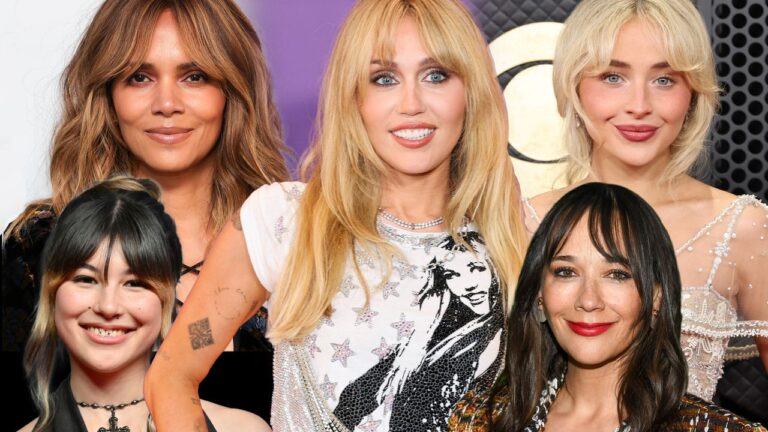
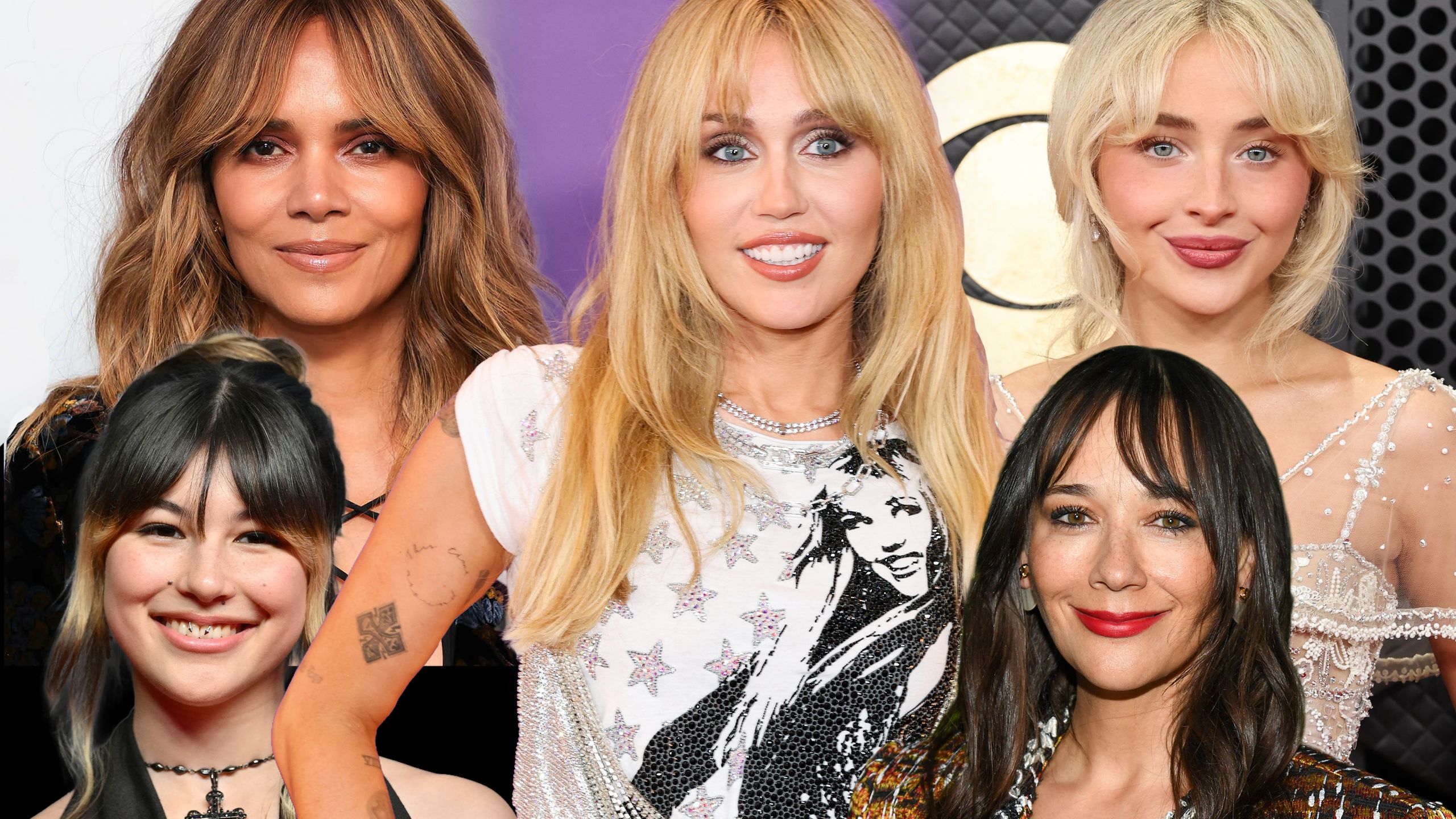
Curtain bangs have evolved from looks primarily associated with Brigitte Bardot and Farrah Fawcett to become a mainstream fringe worn by celebrities including Nicole Kidman, Jodie Turner-Smith, Chappell Roan, and Sabrina Carpenter. Each of these style icons demonstrates the versatility of curtain bangs across different face shapes, hair lengths, and textures. The common thread: a well-cut curtain bang flatters nearly everyone, which explains why the style has become ubiquitous on red carpets and social media in recent years.
The Appeal of Low-Maintenance Fringe
According to New York City hairstylist Rubi Aguilar, who has styled Courtney Cox, Kaia Gerber, and Paloma Elsesser, curtain bangs avoid the awkward growing-out phase that plagues other bang styles. Instead of becoming noticeably overgrown, they gradually “curtain out from the middle” and blend seamlessly into the surrounding hair. British hairstylist Carl Bembridge notes that contemporary interpretations of curtain bangs are becoming softer and more effortless than in the past, moving away from overly controlled styling. This shift toward a relaxed aesthetic makes the style achievable for people who don’t have time for elaborate daily maintenance.
What Defines Curtain Bangs
Curtain bangs are a long, face-framing fringe that sit around the eyebrows and part naturally down the center. They’re cut shorter in the middle and progressively longer toward the sides, with the longest sections typically reaching the top of the cheekbones. This graduated length creates a flattering frame for the face, and according to Los Angeles-based hairstylist Brian Christopher, the structure can enhance natural facial symmetry and complement other features. The beauty of the style lies in its adaptability—a skilled hairstylist can customize the length and shape to work with individual facial features, hair texture, and growth patterns. Bronwen Robinson, a hairstylist at Suite Caroline in New York City, emphasizes that curtain bangs suit all face shapes when cut and styled properly.
Customizing for Straight Hair
For people with naturally straight hair, curtain bangs benefit from styling products that add texture and movement. New York City-based hairstylist Lacy Redway recommends the Tresemmé A-List Collection Dry Texturizing Spray, which provides hold while maintaining a lived-in appearance and reduces unwanted oils to keep bangs airy. Rubi Aguilar suggests the ROZ Wave Texturizing Mist for creating that tousled effect. Allure’s content director Sophia Panych favors the Oribe Dry Texturizing Spray because it lifts roots like a dry shampoo, adds flexible hold similar to hairspray, and creates texture comparable to beach spray.
Working with Textured and Curly Hair
Dry cutting is essential for people with curly or textured hair to achieve the most flattering curtain bangs. According to Brian Christopher, curls shrink as they dry, so cutting while dry allows stylists to see the true finished length. Los Angeles hairstylist Karen Arechiga notes that dry cutting also enables stylists to give individual attention to each curl, resulting in soft, consistent bangs. For styling curly curtain bangs, a pea-sized amount of curl product applied before air-drying enhances bounce and definition. Rubi Aguilar recommends the Innersense Quiet Calm Curl Control for its light, hydrating hold. The Isima Curls Don’t Lie Curl Perfecting Cream is another option that enhances natural texture while smoothing frizz.
Curtain Bangs Versus Face-Framing Layers
While these terms are sometimes used interchangeably, there are distinct differences. Curtain bangs are typically shorter and flare outward at the ends, styled with added volume particularly at the roots. Face-framing layers, by contrast, feature a longer, gradual slope and can be styled with or without volume. Lacy Redway explains that the styling approach differs significantly between the two. Carl Bembridge notes that it’s possible to combine both elements in a single cut to create a haircut with substantial movement and dimension.
Preparing for Your Salon Appointment
Professional hairstylists universally understand the term “curtain bangs,” though Brian Christopher suggests mentioning that you want “long, soft bangs that can be parted in the middle or slightly to the side.” Bringing reference photos is invaluable—you should point out what appeals to you and what doesn’t in each image. Rubi Aguilar notes that photos are helpful even when showing styles you want to avoid. Before your appointment, communicate how you typically style your hair. Karen Arechiga emphasizes that stylists need to know whether you air-dry or blow-dry your hair, as this affects how they’ll cut your bangs.
The DIY Approach: Proceed with Caution
Choosing the Right Scissors
All experts strongly advise against cutting curtain bangs at home, but if you’re determined, investing in quality scissors is non-negotiable. Brian Christopher recommends the Equinox Professional Razor Edge Series Barber Hair Cutting Scissors, made from lightweight Japanese stainless steel that maintains its sharpness. An alternative is the Fromm Explore 5.75-inch Shear, which is lightweight and easy to maneuver for precise work. Carl Bembridge uses the Leaf the Foundation Scissors for professional results.
The Cutting Technique
Begin with completely dry hair so you can assess the true length you’re working with. Create a triangle-shaped section at the front of your face, with the top point at your crown and the section angling down toward your temples on each side. Pull back the remaining hair to keep it out of the way. Hold the scissors diagonally to the ends of your hair and cut an inverted V-shape using small, controlled snips—this technique creates texture and prevents blunt edges. Bronwen Robinson advises that the shortest parts should start near the center of your brows, while the longest sections reach the highest points of your cheekbones or even extend toward your jawline for longer variations.
Styling Your Curtain Bangs
The Air-Dried Look
Curtain bangs are specifically cut to achieve an effortless, breezy appearance. According to Bronwen Robinson, applying too much heat or intensive styling breaks this illusion. For naturally straight hair that needs texture, a lightweight texturizing spray applied to clean, damp hair before air-drying creates movement. People with naturally curly or wavy hair can often air-dry their curtain bangs without additional products and achieve the desired effect.
Creating Volume with Heat
For the polished, voluminous style worn by Sabrina Carpenter, or to manage cowlicks at the hairline, heat styling becomes necessary. Using a round brush and blow-dryer creates the shape and hold. The smallest recommended round brush size is 1.5 inches, ideal for bangs falling just below the brows or for creating dramatic curl. The largest is 2 inches, suitable for longer curtain bangs starting below the cheekbones or for achieving a relaxed, beachy finish. Carl Bembridge favors the Dom Dom Small Round Bristle Brush, which combines boar and nylon bristles to smooth hair and add shine. Allure’s commerce producer Sarah Hoffmann uses the British M 33mm Hot Curling Ceramic Brush for her own curtain bangs. Part your bangs down the middle, place the brush under one side, and roll the entire section downward toward the center of your face before repeating on the other side.
Setting bangs in place requires the right hold product. For fine hair, the K18 Biomimetic Hairscience AstroLift Reparative Volume Spray is a Best of Beauty Award winner that provides hold without weighing hair down. Los Angeles hairstylist Eduardo Méndez uses the Virtue Volumizing Primer because it provides grip at the root, allowing precise placement. After setting with hairspray or volumizing spray, rake a hair oil through your bangs to keep them smooth and frizz-free. Options include the Unove Silk Shine Hair Oil or Fable & Mane Glossy Styling Hair Oil.
Refresh Between Washes
Between shampooing, maintaining lift and volume requires minimal effort. Velcro rollers like the Drybar High Tops Self-Grip Rollers revitalize the swoop of your bangs while reducing excessive heat exposure. A spritz of dry shampoo such as Amika Perk Up Dry Shampoo at the roots followed by a good tousle resets your bangs. For a more targeted approach, the Narka Fresh Sebum Hair Mascara applied from the roots cuts through grease, reduces frizz, and revives the shape.
Maintaining Your Investment
Getting regular trims every six to eight weeks keeps curtain bangs in optimal shape and condition. According to Carl Bembridge, you don’t need to wait for a full haircut—bang trims can be done independently. Most stylists offer complimentary bang trims for existing clients, making maintenance affordable and convenient.
Curtain bangs offer a straightforward entry point into bang styling—they work across hair types, they’re forgiving as they grow out, and they integrate into existing hair routines. With the right stylist and appropriate tools, trying this style presents minimal risk and significant reward.
Frequently Asked Questions
How often should I get curtain bangs trimmed?
Regular trims every 6–8 weeks keep curtain bangs in optimal shape and condition. Most stylists offer complimentary bang trims for existing clients, so you don't need to wait for a full haircut.
Can you cut curtain bangs at home?
While all experts advise against DIY curtain bangs since they frame your face and mistakes are very noticeable, if you must attempt it, use professional-quality scissors like the Equinox Professional Razor Edge Series or Fromm Explore Shear, start with completely dry hair, and cut an inverted V-shape with small snips to create texture and avoid blunt edges.
What products should I use to style curtain bangs?
For straight hair, use a lightweight texturizing spray like Tresemmé A-List Collection Dry Texturizing Spray or Oribe Dry Texturizing Spray for movement. For curly hair, apply a pea-sized amount of curl product like Innersense Quiet Calm Curl Control before air-drying. For heat-styled volume, use a 1.5–2 inch round brush with a blow-dryer, then set with a volumizing product like K18 Biomimetic Hairscience AstroLift Volume Spray before raking through a hair oil.
