
Key takeaways
- Hailey Bieber has styled the plastic zig-zag headband on three separate Instagram posts and in a Miu Miu campaign, demonstrating this is a deliberate trend rather than a one-off nostalgic reference.
- The scalloped comb headband works across multiple styling contexts—from loose waves and buns to athletic wear—and functions both as a practical tool and a fashion accessory.
- Pairing the Y2K zig-zag headband with decidedly modern pieces like weighted vests, contemporary sunglasses, and modern earbuds prevents the styling from feeling dated or costume-like.
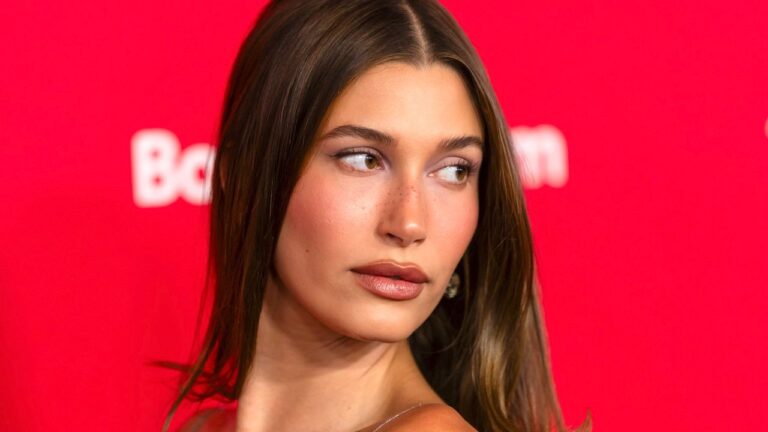
Hailey Bieber has made the plastic zig-zag headband—once a fixture of late-’90s and early-2000s bathroom drawers—her go-to accessory. The supermodel has been featuring the scalloped comb headband across multiple Instagram posts, with a particularly convincing photo dump posted on Wednesday showcasing three separate occasions where she styled the nostalgic piece. This isn’t her first engagement with Y2K-era hair accessories; she recently appeared in a Miu Miu campaign wearing a similarly nostalgic accordion-style headband. The repeated styling across both personal content and professional work signals that this trend extends beyond casual fashion experimentation into deliberate styling choices.
The zig-zag headband, also known as a shark tooth headband or simply “the headband” to anyone who once shopped at Delia’s, has officially made its return from obscurity. What’s particularly notable about Bieber’s approach is how she demonstrates the accessory’s versatility across different contexts, hair lengths, and outfit combinations. Rather than treating it as a one-off nostalgia reference, she’s integrated it into her rotating wardrobe in ways that feel contemporary rather than costume-like. This practical styling approach is critical for a Y2K trend to gain mainstream traction beyond social media novelty.
How Hailey Bieber Styled the Zig-Zag Headband
Bieber’s recent Instagram posts demonstrate multiple approaches to wearing the plastic scalloped comb headband, each adapted to different occasions and styling objectives. The three separate photos show the accessory functioning both as a practical hair tool and as a fashion statement.
The Effortless Mirror Selfie
In one snapshot, Bieber wore the matte black headband in a straightforward styling approach. The comb pulled just enough hair away from her face to show her features clearly while keeping the rest of her hair down and loose. This method prioritizes simplicity over complexity, allowing the headband itself to become the focal point of the look. The matte finish of the plastic creates a subtle visual impact rather than a glossy shine, which contributes to the styling reading as intentional. This approach works particularly well for readers with straight or lightly textured hair, as the headband creates clean lines without requiring any additional styling products or preparation.
The Athletic Styling
A second photo captured Bieber during what appears to be a run, wearing a weighted vest. Her hair was pulled back into a bun, and the headband served a decidedly practical purpose—keeping flyaways secured while she moved. This styling paired the headband with wired earbuds and demonstrated how the accessory can function beyond pure aesthetics to solve actual hair management challenges. The functional application is important because it normalizes the headband in everyday life rather than positioning it as purely decorative. Anyone who has attempted outdoor exercise with loose hair understands the frustration that a properly secured headband can eliminate.
The Accessory Stacking Approach
The third image showed Bieber layering the zig-zag headband with tiny sunglasses and wired earbuds, creating a coordinated Y2K aesthetic that felt intentional rather than accidental. This multi-accessory approach anchored the look in the early-2000s sensibility that currently dominates fashion editorial and runway presentations. The sunglasses were notably small and contemporary in cut, which prevented the overall styling from reading as a costume or purely nostalgic reference. The inclusion of modern wired earbuds—rather than vintage models—further grounded the look in 2026. This layering approach is instructive for readers attempting to replicate the trend: pairing Y2K elements with decidedly modern pieces prevents the styling from feeling dated or inauthentic.
The Miu Miu Campaign and Y2K Brand Leadership
Bieber’s repeated styling of the zig-zag headband gains additional credibility through her professional work. She recently appeared in a Miu Miu campaign wearing a similarly nostalgic accordion-style headband, signaling that this styling choice extends well beyond casual Instagram content into her professional modeling portfolio. Miu Miu has positioned itself as a leader in Y2K revivalism over the past several years, making deliberate choices to feature early-2000s aesthetic elements across collections and campaigns.
The accordion-style headband featured in the Miu Miu campaign differs slightly from the traditional zig-zag in construction. Rather than featuring individual scalloped teeth, it consists of connected accordion-like pleats that compress and expand with the hair. Despite the structural difference, both versions operate within the same aesthetic family and rely on rigid plastic construction. Both require the wearer to work the teeth or pleats through the hair rather than simply clipping or pinning the piece in place, which is precisely what distinguishes them from modern minimalist hair accessories.
The connection between Bieber’s personal styling and the Miu Miu campaign feels far from accidental. Fashion collaborations between brands and influencers typically reflect broader market positioning, and Miu Miu’s investment in Y2K revivalism suggests the trend has secured a foothold beyond fleeting social media moments.
Why the Zig-Zag Headband Is Having a Moment
The return of the plastic scalloped comb headband reflects a broader fashion cycle. These accessories initially disappeared from mainstream use alongside the early 2000s, replaced by flatter, more minimalist hair styling approaches and the rise of hair straightening as a dominant aesthetic. Their revival in 2026 suggests that fashion is deliberately reaching back into that era for its aesthetic vocabulary, having cycled through other design periods in the intervening years.
Bieber’s consistent styling of the piece—across casual selfies, athletic wear, and professional campaigns—demonstrates how the accessory can function across multiple contexts without requiring significant recontextualization. Unlike some Y2K trends that feel contingent on specific occasions or outfit categories, the zig-zag headband appears to have found a place in everyday styling alongside contemporary pieces.
Critically, the aesthetic registers as modern rather than purely nostalgic. When Bieber wears the headband with contemporary pieces like a weighted vest or modern sunglasses, the styling reads as current rather than costume-like. This balance between past and present is what separates trends with staying power from fleeting references that generate momentary social media engagement without influencing actual purchasing or styling behavior.
The Broader Y2K Accessory Revival
The zig-zag headband’s return connects to a larger movement in fashion. The late ’90s and early 2000s also introduced butterfly clips, roll-on body glitter, and specific styles of eyewear that are gradually making their way back into contemporary styling. Fashion cycles move at different rates depending on the accessory category—some elements return more quickly than others, influenced by factors ranging from retail availability to cultural nostalgia patterns.
The plastic scalloped comb headband has particular advantages as a trendy accessory. Unlike some Y2K trends that require specific clothing silhouettes or body-conscious styling approaches to land correctly, this headband works with virtually any hair length or texture. Bieber’s styling choices—ranging from loose waves to pulled-back buns—confirm this fundamental versatility. The accessory functions equally well on someone with fine, straight hair and someone with thick, curly texture.
How to Style the Zig-Zag Headband Today
For readers interested in adopting this trend, Bieber’s posts offer practical styling guidance. The key insight is that the headband doesn’t require an elaborate aesthetic context to work effectively. A simple mirror selfie with the headband holding back hair from the face reads as intentional and current, not as a costume choice or dated reference.
The headband functions best when paired with modern pieces that ground the look in the present moment. Tiny sunglasses, contemporary workout wear, minimalist jewelry, and modern wired earbuds all serve to anchor the accessory in 2026 rather than 1998. This juxtaposition between nostalgic accessory and modern styling elements is what prevents the overall look from feeling like a pure nostalgia play or themed outfit.
The styling also works across different occasions. In a professional setting, the headband can keep hair secured during meetings or presentations. In casual settings, it functions as a fashion statement. During exercise, it becomes purely functional. This versatility is precisely what converts a Y2K reference into an actual wardrobe staple rather than a one-time styling experiment.
The Matte Black Plastic Headband as Modern Y2K Choice
The specific headband Bieber has been wearing features a matte black plastic finish with a scalloped comb design. The finish is important from a styling perspective—matte black reads as more sophisticated than glossy versions and pairs seamlessly with both neutral and colorful contemporary outfits. The scalloped design creates distinct teeth that comb through hair rather than simply sitting on top of the head, which contributes to the functional, practical feel of the accessory.
The headband requires no styling products or additional hair preparation to function effectively. It works equally well on clean hair and hair with texture or products already applied. This simplicity is part of what makes it accessible compared to more complex Y2K trends that require specific product dependencies or particular styling techniques. The matte finish also prevents the headband from reflecting light in ways that might read as overly shiny or obviously plastic. This aesthetic choice elevates the accessory beyond cheap novelty territory into something that reads as an intentional styling choice.
Frequently Asked Questions
What is a zig-zag headband also called?
A zig-zag headband is also known as a shark tooth headband or simply "the headband" among those who shopped at Delia's in the late '90s and early 2000s. It features a plastic scalloped comb design with teeth that work through the hair rather than clipping or pinning.
How many times did Hailey Bieber post the zig-zag headband on Instagram?
Hailey Bieber posted the matte black zig-zag headband on three separate occasions in a recent Wednesday Instagram photo dump, showcasing the accessory's versatility across different styling approaches and hair textures.
What did Hailey Bieber pair with the headband in her styling photos?
Bieber styled the headband in multiple ways: in one photo with loose hair, in another pulled back in a bun during a weighted vest run with wired earbuds, and in a third with tiny sunglasses and wired earbuds to create a coordinated Y2K aesthetic.
