
Key takeaways
- Your skin undertone—the subtle hue beneath your skin’s surface—determines which lipstick shades will make you look radiant versus washed out.
- Lipstick depth refers to how light or dark a shade appears, and matching this to your overall coloring ensures the color enhances rather than overwhelms your face.
- Lipstick shade selection evolved dramatically once commercial cosmetics became widely available in the early 1900s.
- Can I wear the same lipstick shade every single day without it looking boring?
Finding the perfect lipstick shade feels like a luxury when you’re managing school runs, work deadlines, and bedtime routines, yet a flattering lip color transforms your entire appearance in seconds. The right everyday lipstick works with your skin tone, complements your Natural coloring, and requires minimal touch-ups throughout your busy day. Understanding how to select a shade that actually works for your lifestyle means you’ll reach for that lipstick daily instead of letting it collect dust in your bathroom drawer.
Understanding Your Undertone as the Foundation
Your skin undertone—the subtle hue beneath your skin’s surface—determines which lipstick shades will make you look radiant versus washed out. Undertones fall into three categories: warm (golden or peachy), cool (pink or red), or neutral (a balanced mix of both). A lipstick that harmonizes with your undertone creates a cohesive look because the color echoes the natural pigments already present in your complexion, making the shade appear intentional rather than accidental.
To identify your undertone, examine the veins on your inner wrist in natural daylight. If your veins appear green or olive-toned, you likely have warm undertones; if they look blue or purple, you have cool undertones; if you cannot determine a clear difference, you probably have neutral undertones. This simple test has been a standard beauty reference since dermatologists began categorizing skin types systematically in the 1950s, and it remains one of the most reliable methods for shade matching.
Matching Lipstick Depth to Your Coloring
Lipstick depth refers to how light or dark a shade appears, and matching this to your overall coloring ensures the color enhances rather than overwhelms your face. Women with fair skin typically find success with lighter, more delicate shades like nude pinks and soft corals, while medium skin tones often glow in warm reds, brick tones, and mauve shades. Deeper skin tones can carry richer, more saturated colors including burgundy, deep plum, and true red without the shade appearing too heavy or aging.
Marilyn Monroe famously wore a custom-blended red lipstick that complimented her fair complexion and blonde hair, while the shade would have looked completely different on someone with deeper skin and darker hair. The depth of the lipstick relative to your skin creates contrast—too much contrast can look harsh, while too little can make you appear faded or tired.
The Role of Undertone-Specific Reds and Neutrals
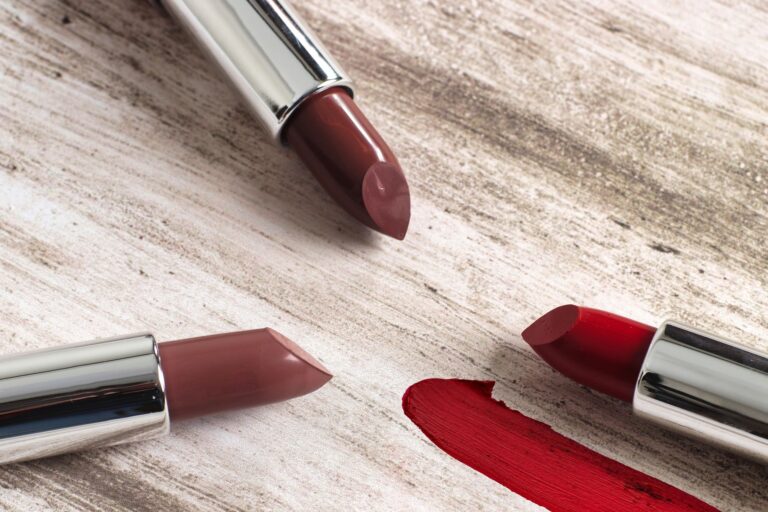
Red lipstick represents the most versatile everyday option for many mothers because the category includes warm reds (containing orange or brown undertones), cool reds (containing blue undertones), and true reds (balanced between warm and cool). A warm red with golden undertones suits warm-toned skin beautifully, while a cool red with blue undertones flatters cool-toned complexions. Neutral undertone skin can typically wear both directions, though you may find one slightly more flattering depending on your specific coloring.
Neutral shades like nudes, taupes, and warm browns offer another everyday option because they recede into your face rather than drawing attention, making them ideal when you want a polished look without statement-making color. However, the term “nude” misleads many mothers—true nude lipstick should match your natural lip tone or sit slightly darker, not your skin tone. A nude that matches your actual lips creates a seamless, effortless appearance that works across different lighting situations and doesn’t require frequent reapplication.
The Evolution of Lipstick Shade Selection Through Beauty History
Lipstick shade selection evolved dramatically once commercial cosmetics became widely available in the early 1900s. Before this era, most women made lipsticks from natural ingredients like beeswax and plant pigments, with limited shade options available. The 1920s introduced mass-produced lipsticks in standardized shades, and beauty companies began marketing specific colors to different “types” of women based on hair and skin color, establishing the foundational principles of undertone matching that professionals still use today.
In 1946, Revlon introduced the “Fire and Ice” lipstick campaign, which revolutionized how women thought about lipstick shade selection by explicitly linking undertone to the perfect red. The campaign featured actress Babette March and used the concept of cool versus warm undertones to help women understand why certain reds looked stunning on some people and unflattering on others—a marketing strategy so effective that undertone-based shade selection became the industry standard.
Frequently Asked Questions
Can I wear the same lipstick shade every single day without it looking boring?
Absolutely—a well-chosen everyday lipstick should become your reliable go-to that you feel confident wearing repeatedly. The key difference between a boring lipstick and a signature shade is how well it complements your natural coloring; when a shade truly works for you, it enhances your features rather than competing with them, so wearing it daily feels intentional rather than monotonous.
What should I do if I cannot decide between two lipstick shades that both seem to work?
Choose based on your lifestyle and the occasions where you’ll wear it most. If you need something for professional settings and quick morning routines, a neutral nude works harder; if you want a shade that makes you feel more energized and polished, the red or warmer tone serves that purpose better. Most busy mothers benefit from having both options available—a neutral for low-key days and a more saturated shade for when you need an extra confidence boost.
Does my hair color affect which lipstick shades work best for me?
Hair color influences your overall coloring story and can either reinforce or complicate your undertone, but undertone remains the primary factor in shade selection. A blonde woman with cool undertones will still wear cool-toned reds beautifully, while a brunette woman with warm undertones will glow in warm reds—the hair color adds another layer but does not override the undertone principle.
The right everyday lipstick shade works with your natural coloring, requires minimal maintenance, and makes you feel confident during the beautiful chaos of motherhood. When you choose a lipstick based on your undertone and the depth that complements your specific coloring, you invest in a product that delivers results every single time you apply it, making that small act of self-care genuinely worthwhile.
