
Key takeaways
- Laser Genesis uses a 1064 nanometer Nd:YAG laser—a near-infrared wavelength—to gently heat the upper dermis without damaging the epidermis.
- Dermatologists across the country confirm that Laser Genesis delivers measurable results for specific skin concerns.
- Understanding the practical requirements helps mothers decide if Laser Genesis fits their schedules and budgets.
- Laser Genesis represents a shift in how dermatology approaches aging skin.
Eighty percent of patients reported visible improvements in skin texture after completing a six-session Laser Genesis treatment series, according to clinical data highlighted by board-certified dermatologist Dr. Debra Jaliman. The “lunchtime laser” has emerged as a legitimate solution for busy mothers seeking to reverse postpartum skin changes, reduce redness, and smooth acne scars without sacrificing work schedules or enduring weeks of recovery. Board-certified dermatologist Dr. Vafa, owner of a regenerative aesthetics clinic in New York City, emphasizes that the procedure takes under 30 minutes with zero downtime, allowing patients to return to their daily routines immediately.
The Speed Factor: A Game-Changer for Time-Strapped Mothers
The defining appeal of Laser Genesis lies in its efficiency. Completing an entire treatment in under 30 minutes means mothers can squeeze an appointment between work commitments or school pickups without needing childcare arrangements for recovery time. The device manufacturer Cutera has built its reputation on this accessibility, making professional skin treatments feel less like a luxury and more like a realistic wellness option for women juggling multiple responsibilities.
Ninety-five percent of patients required no downtime post-treatment, according to Dr. Jaliman’s clinical research. This stands in stark contrast to more aggressive laser resurfacing procedures that vaporize the outer skin layer or cause intense thermal injuries, demanding weeks of healing before returning to normal activities. For mothers already managing postpartum recovery, hormonal shifts, or stress-related skin changes, the ability to walk out of an appointment and immediately pick up groceries or attend a meeting represents a significant practical advantage.
Why Laser Genesis Works: The Science Behind the Results
Laser Genesis uses a 1064 nanometer Nd:YAG laser—a near-infrared wavelength—to gently heat the upper dermis without damaging the epidermis. This targeted approach stimulates fibroblasts, the cells responsible for producing collagen and elastin, the structural proteins that keep skin firm, smooth, and youthful. Dr. Divya Shokeen, MD, a board-certified dermatologist and founder of Ocean Skin and Vein Institute, describes Laser Genesis as “the gentlest option” compared to harsher laser alternatives, achieving subtle, cumulative improvements over multiple sessions rather than dramatic one-time transformations.
The mechanism matters especially for postpartum skin. Pregnancy and hormonal fluctuations cause thinning skin, loss of elasticity, and increased sensitivity. By stimulating collagen production from within the dermis, Laser Genesis addresses these root causes without surface abrasion or irritation. The wavelength’s ability to pass through the epidermis safely makes it ideal for mothers with reactive or compromised skin barriers—a common postpartum concern that rules out many aggressive treatments.
What Dermatologists Are Saying: Realistic Expectations and Proven Benefits
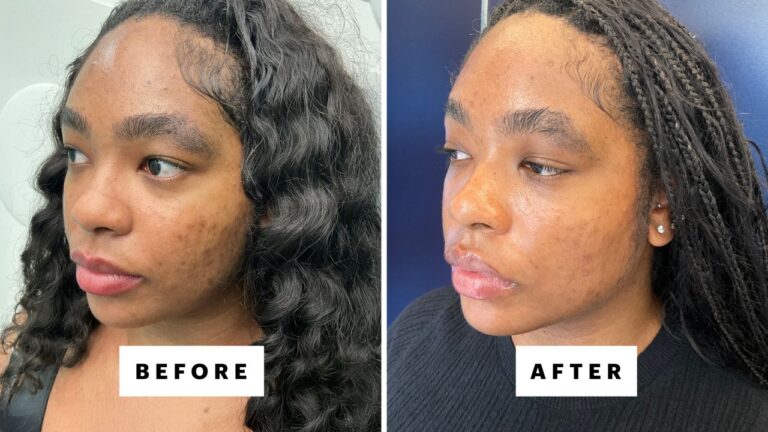
Dermatologists across the country confirm that Laser Genesis delivers measurable results for specific skin concerns. Dr. Schweiger and the Illinois Dermatology Group note that the treatment effectively reduces facial redness, improves acne scars, and benefits chronic conditions like rosacea. The gentle heat constricts blood vessels—fighting persistent redness—while stimulating collagen to smooth textural irregularities and tighten enlarged pores. These benefits directly address the skin changes many mothers experience after pregnancy or during high-stress seasons of parenting.
However, dermatologists emphasize that Laser Genesis requires commitment. Dr. Holly Hanson, MD, explains that while a subtle glow may appear after a single session, the “real magic” lies in completing a full treatment series. Most practitioners recommend four to six treatments spaced two to four weeks apart, with noticeable improvements typically visible after the third or fourth session and full effects emerging after the entire series concludes. This timeline—roughly three to six months from start to finish—requires mothers to plan ahead and maintain consistency rather than expect instant transformation.
The Treatment Journey: What Busy Mothers Need to Know
Understanding the practical requirements helps mothers decide if Laser Genesis fits their schedules and budgets. Each session costs between $275 and $400, meaning a complete initial series of six treatments represents a significant but manageable investment. After completing the series, patients typically maintain results with a single maintenance session every six to twelve months, spreading the long-term cost across years rather than concentrating it in a few months.
Aftercare demands minimal disruption to daily routines. For the first 48 hours following treatment, LightRx Medspa recommends four simple adjustments: skip harsh scrubs and physical exfoliants, pause active Skincare products like retinoids or glycolic acids, avoid extra heat sources such as saunas or hot tubs, and use only lukewarm water with a gentle moisturizer. This low-maintenance routine allows mothers to continue their regular skincare schedules with only minor modifications—a stark contrast to invasive procedures requiring weeks of special care and recovery protocols.
How Laser Genesis Fits Into Modern Skincare
Laser Genesis represents a shift in how dermatology approaches aging skin. Rather than pursuing dramatic interventions that disrupt daily life, the treatment offers consistent, cumulative improvements that integrate seamlessly into busy schedules. The technology emerged from a recognition that many women—particularly mothers—needed effective options that didn’t demand extensive downtime or recovery support.
The clinical validation supporting Laser Genesis has grown steadily. Eighty percent of study participants achieved visible texture improvements, while the 95 percent no-downtime rate demonstrates that the treatment delivers efficacy without the lifestyle disruption associated with traditional laser resurfacing. These statistics have positioned Laser Genesis as a practical alternative for women seeking professional results without professional-level recovery demands.
What Comes Next: Maintaining Results and Planning Treatment
Mothers considering Laser Genesis should plan their treatment series during seasons when scheduling four to six appointments over three to six months feels manageable. Spacing sessions two to four weeks apart requires advance calendar planning but allows flexibility within that window. Once the initial series concludes, annual or semi-annual maintenance sessions keep results optimal without the ongoing commitment of monthly treatments.
The investment in Laser Genesis pays dividends across multiple skin concerns simultaneously. A single treatment series addresses redness, texture irregularities, acne scars, and pore size while stimulating overall collagen production for improved skin quality. For mothers managing the visible effects of pregnancy, aging, and stress on their skin, this multi-benefit approach delivers comprehensive improvement without requiring separate treatments for separate concerns. The combination of clinical efficacy, minimal downtime, realistic timelines, and manageable costs explains why Laser Genesis has moved from cosmetic novelty to a trusted option in dermatology practices nationwide.
