
Key takeaways
- Low-porosity hair needs lightweight formulas with humectants and oils to absorb hydration without leaving buildup.
- Sulfate-free shampoos like RŌZ and clarifying rinses preserve moisture while removing residue from tight cuticles.
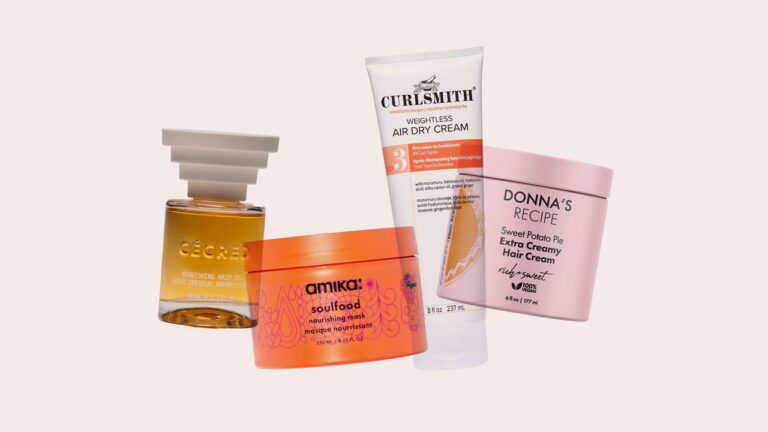
- Cécred's nourishing oil and Curlsmith's air-dry cream absorb into strands instead of coating the surface.
- Heavy butters, mineral oil, and excessive waxes accumulate on low-porosity hair; lightweight alternatives like argan oil work better.
Low-porosity hair presents a particular puzzle: water and moisturizing products seem to bounce off the surface, leaving strands that look shiny yet feel parched. The root cause lies in the hair’s structure—tightly sealed cuticles that resist moisture and product penetration. But understanding this texture allows you to choose formulas that work with your hair’s nature rather than against it, delivering hydration and definition without the heaviness that typically plagues this hair type.
What Low-Porosity Hair Actually Is
Tight, tightly-sealed hair cuticles define low-porosity hair, making it exceptionally difficult for both moisture and styling products to penetrate. According to hairstylist Mirna Jose, who works between New York City and Los Angeles, this closed-off structure means moisture can’t easily move in or out of the strand. The result is hair that behaves unpredictably: it takes noticeably longer to become fully wet during shampooing and equally longer to dry after washing.
Cosmetologist Stanley Nolan, based in Texas, points to this slow-to-wet, slow-to-dry cycle as one of the most telling signs. “If it takes a minute for your hair to actually get wet—and then it takes forever to dry once you’re out of the shower—that’s your answer,” Nolan says. Beyond the timing, low-porosity hair often develops a shiny surface appearance while feeling dry to the touch, because moisture remains trapped outside the strand rather than soaking in.
Any hair type or texture can be low-porosity, though it’s especially common in tightly coiled and curly patterns. The challenge intensifies when styling products accumulate on the surface instead of absorbing, leaving strands feeling coated, heavy, or even greasy before any actual hydration occurs.
The Ingredient Strategy That Works
Seek Out Humectants and Light Oils
Mirna Jose recommends prioritizing humectants—ingredients like hyaluronic acid and glycerin—which actively draw moisture into the hair shaft. Pairing these with lightweight oils such as sweet almond or argan creates the foundation of an effective low-porosity routine. These lightweight formulas can actually absorb into the cuticle rather than coating the surface, making hydration accessible to strands that would normally reject heavier products.
Avoid Heavy Butters and Waxes
Stanley Nolan advises clients to cut back on heavy butters and oils as a first step. Shea butter and coconut oil, while nourishing for other hair types, typically coat low-porosity strands instead of absorbing, leading to buildup. Hair expert Kimberly Michelle, also Texas-based, adds mineral oil, petrolatum, excessive waxes, and high concentrations of castor oil to the avoidance list. While these ingredients aren’t inherently damaging, they build up quickly on low-porosity hair and make strands feel greasy, stiff, or weighed down long before hydration sets in.
Cleansing Without Stripping
Sulfate-Free Shampoos
RŌZ Foundation Shampoo replaces sulfates—which strip natural oils—with coconut-based surfactants that still deliver a rich lather without the drying effect. The formula includes a proprietary BotaniComplex combining grape extract to soothe the scalp and walnut oil for moisture and color preservation, plus a ceramide complex for strength. The result is hair that stays clean without the tight, squeaky feeling that often follows shampooing.
Kinky-Curly’s Come Clean Natural Moisturizing Shampoo uses phytic acid as its workhorse ingredient—this compound grabs mineral buildup from hard water (calcium and magnesium) and rinses it away while protecting the hair from future accumulation. Sea kelp boosts moisture, while mandarin orange extract adds a light citrusy scent. The low-residue formula cleanses thoroughly, essential for low-porosity hair where styling products tend to layer up between washes.
Clarifying Rinses
For periodic deep cleansing, hairstylist Mirna Jose recommends clarifying products designed to dissolve residue without stripping moisture. The DpHue Apple Cider Vinegar Rinse combines apple cider vinegar with aloe vera and chamomile to gently remove product buildup, soothe the scalp, and balance pH—delivering the clarifying action without the moisture loss of traditional clarifiers.
Lightweight Nourishment
Hair Oils for Absorption
Cécred Nourishing Hair Oil formulates around 13 different hair oils, including a blend of African oils (baobab, moringa, and black seed) plus sea buckthorn, combined with keratin ferment for breakage repair. Critically, the formula excludes silicones, which feel heavy on low-porosity hair. A few drops applied to mid-lengths and ends—on dry or damp hair—create noticeable shine without surface coating. The lightweight absorption means you can even mix a few drops into your conditioner for an extra moisture boost.
Deep Conditioning Masks
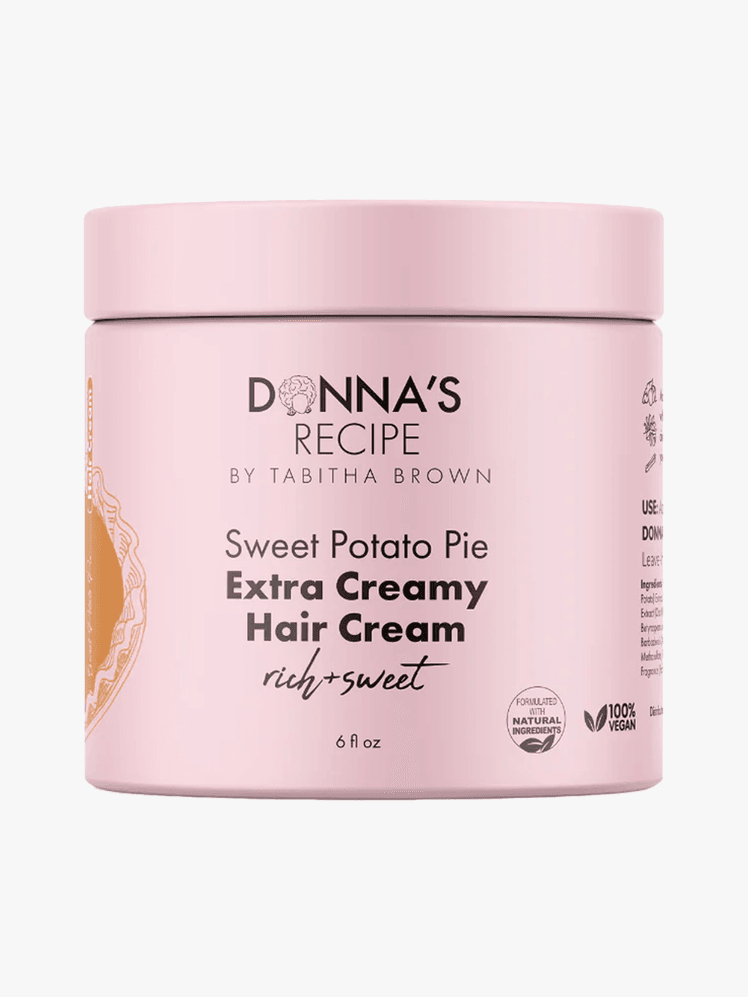
Donna’s Recipe Sweet Potato Pie Extra Creamy Hair Cream won a 2024 Best of Beauty Award, built on sweet potato extract (rich in vitamin A for shine), cinnamon (to reduce scalp buildup), and sugar maple sap (a humectant that draws in moisture). Despite its rich, thick texture, the formula won’t leave flakes or buildup. Plant butters provide moisture-sealing and curl definition without the weight penalty of traditional heavy butters.
Amika’s Soulfood Nourishing Mask achieves softness and shine while remaining surprisingly lightweight for a traditional mask. Jojoba oil, one of the lighter options available, forms the hero ingredient. The thick, creamy texture delivers hydration to coarse or curly strands without making them feel heavy or limp, making it ideal for weekly deep conditioning.
Styling for Movement and Definition
Air-Dry Creams
Curlsmith’s Weightless Air Dry Cream lives up to its name as a bouncy, featherweight formula designed for detangling and curl definition. Hyaluronic acid draws in moisture, while babassu and murumuru oils lock it in. Babassu oil specifically remains light enough to avoid weighing down strands even when layered under thicker styling creams or gels. The formula targets fine and medium hair; those with thicker strands or higher density may prefer Curlsmith’s Curl Conditioning Hair Oil-In-Cream instead.
Humidity and Frizz Control
Color Wow’s Extra Strength Dream Coat combines proprietary polymers with added glycerin, formulated specifically for dry, dehydrated, tightly textured hair. Kimberly Michelle praises it as excellent for low-porosity hair that’s thick or coily, noting that it delivers softness and shine without leaving strands feeling coated or weighed down. One critical note: this formula is heat-activated, so styling with hot tools is necessary to activate its full effect.
Ouidad’s Curl Quencher Moisturizing Conditioner uses glycerin and panthenol to allow low-porosity strands to absorb moisture more easily while avoiding buildup or greasiness. The blend of nourishing oils and proteins strengthens hair, enhances elasticity, and prevents breakage while promoting softness and shine. The complementary Curl Quencher Curl Cream earned endorsement from LA hairstylist Lana Hunter, who recommends it for type 3 curls and up as a single-product solution that eliminates unnecessary layering.
Building Your Low-Porosity Routine
The foundation of a successful low-porosity routine rests on understanding that your hair’s tight cuticles require specific chemistry to absorb what it needs. Start with a gentle sulfate-free shampoo that cleanses without stripping, then alternate with clarifying treatments to prevent buildup from accumulating. Layer in a lightweight oil or leave-in conditioner, testing each addition to ensure it’s absorbing rather than coating the surface. Your deep conditioner should feel rich but not heavy, and any styling cream should weigh almost nothing despite delivering definition.
The products that work for your low-porosity hair may not resemble what a friend with higher-porosity curls uses, and that’s exactly as it should be. Humectants and lightweight oils do the work that heavy butters can’t, delivering the hydration your strands desperately need without the greasy residue that builds up over time. Finding the right formula means experimenting within this narrower range of lightweight options—but once you do, your hair transforms from a mystery into a manageable routine.
Frequently Asked Questions
What does low-porosity hair feel like?
Low-porosity hair is slow to wet and slow to dry, often looks shiny but feels dry to the touch, and has a tendency for products to sit on the surface instead of absorbing. This happens because tightly sealed cuticles resist moisture and product penetration.
What ingredients should I avoid in low-porosity hair products?
Avoid heavy butters like shea butter and coconut oil, as well as mineral oil, petrolatum, excessive waxes, and high concentrations of castor oil. These ingredients coat the hair strand instead of absorbing and cause buildup, greasiness, and a weighed-down feeling.
Which ingredients work best for low-porosity hair?
Humectants like hyaluronic acid and glycerin, paired with lightweight oils such as sweet almond or argan oil, are most effective. These ingredients actually absorb into the cuticle rather than coating the surface, delivering the hydration that low-porosity hair needs.
