
Key takeaways
- Nick Barose's contouring method places shadow above the natural crease to create visible definition on hooded lids, ignoring the actual fold where makeup disappears.
- Film-forming primers, matte shadows with strategic shine, thick upper eyeliner, and concentrated mascara work together to lift the eye without surgery.
- The technique takes 20 minutes, costs far less than annual in-office treatments, and remains repeatable and reversible with no downtime.
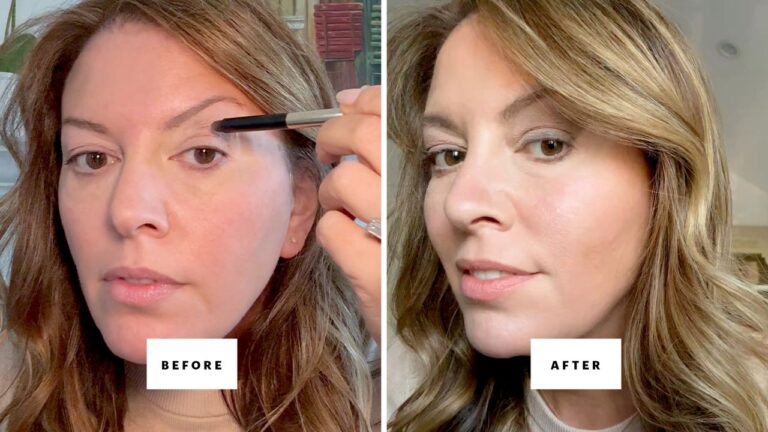
Hooded lids don’t require surgery—just strategy. Makeup artist Nick Barose, who works with Lupita Nyong’o, Rachel Weisz, and Brie Larson, teaches a contour-based approach that creates genuine eye definition rather than attempting to hide the problem.
The Approach: Contour, Not Camouflage
Unlike traditional makeup advice that relies on blending and softening, Barose’s method treats hooded lids like a structural issue requiring definition work. The goal is using light, shadow, and texture to create the illusion of a deeper eye socket and a lifted upper lid line. “Adding definition opens up the areas where extra skin is hanging over,” he explains. “You can create the illusion of depth by playing with light and dark, as well as contrasting matte and soft-shimmer textures.”
What separates this from typical contouring: You’re not trying to hide anything. You’re building structure.
Preparing the Lid: The Tightening Primer
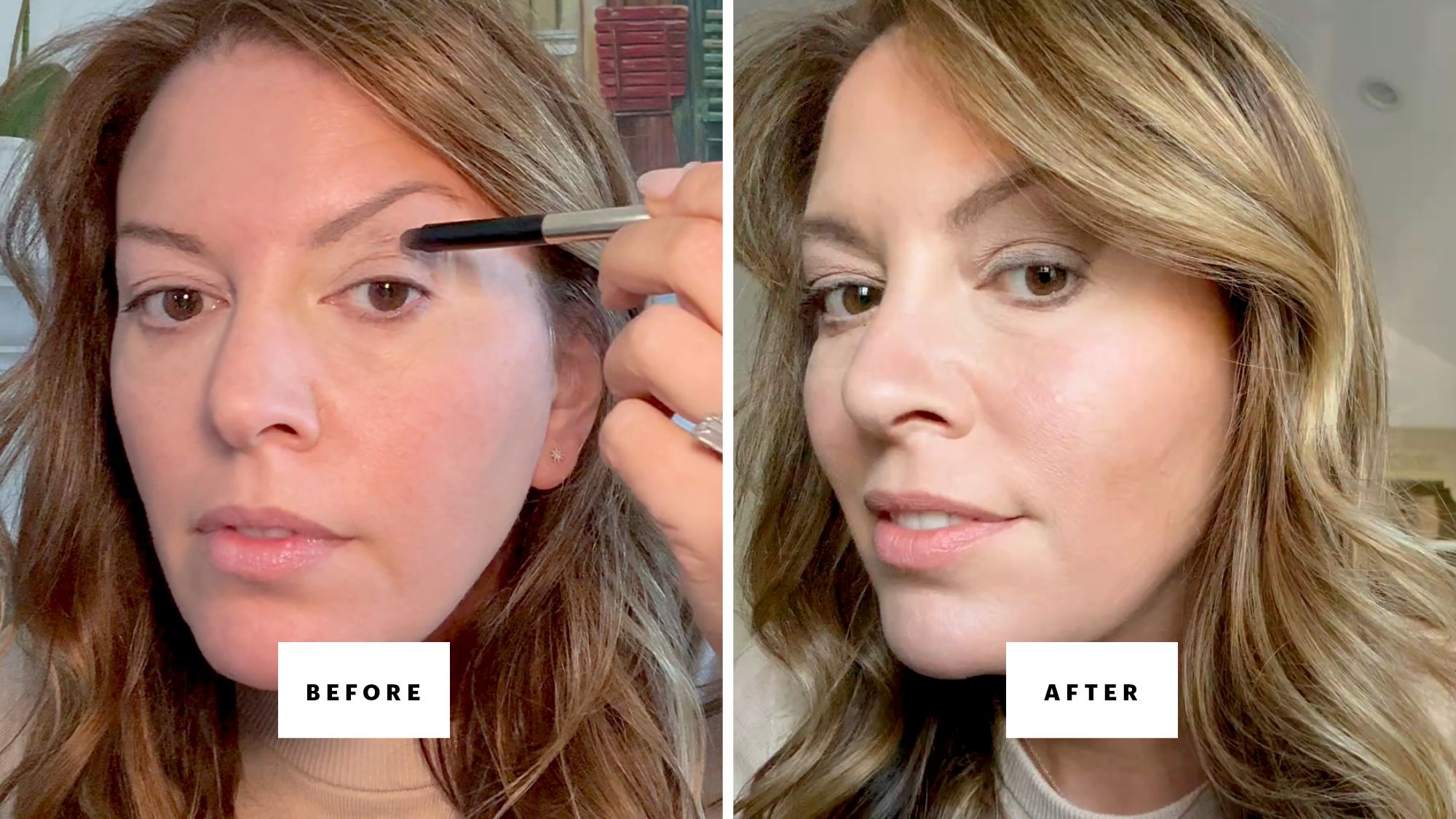
Before any shadow or liner goes on, the skin itself needs preparation. Film-forming gels designed for eye tightening work by creating what functions as a temporary “second skin.” These formulas, which rely on silicates and polymers, contract as they dry—similar to shrink wrap tightening—to smooth texture and gently firm the area. Results appear within about five minutes and last for several hours.
How to Apply a Tightening Gel
The catch: they require clean, dry skin and time to fully set. Apply a thin layer without moving your face for at least a few minutes. Don’t layer other skincare products underneath, as they can cause flaking when sweat or friction occurs. Once completely dry, you have a smoothed base that holds throughout the day.
Why This Step Matters for Hooded Lids
The gel creates a firmer canvas for makeup application and helps makeup stay in place despite the lids moving throughout the day. It’s not a substitute for the makeup techniques that follow—it’s a partner to them.
The Crease Placement Strategy
The single biggest shift in approach: ignore where your crease actually is and paint above it instead.
When you apply shadow to your natural crease on hooded lids, most of it disappears the moment you open your eyes. Barose solves this by placing shadow slightly above the crease or even higher, depending on how much skin folds over when your eyes are open. “You want to place the darker color slightly above the crease—or even higher depending on how much extra skin hides in that area when your eyes are open,” he says.
Checking Your Placement from Conversation Distance
Apply shadow while looking straight ahead at the mirror, then step back three to four feet to assess. What looks excessive up close reads as natural definition from normal conversation distance. Use a small tapered crease brush to place shadow with precision, lifting it above the fold without browning out your entire brow bone.
Selecting the Right Shadow Shade
The color itself matters significantly. Barose recommends cooler, matte shades—not warm, reddish, or pink-toned browns. “Avoid red tones,” he says. “Brown that’s too red or a shadow that’s too pink will make hooded eyes look swollen.”
For fair-to-medium skin, this means cool taupe or gray-brown. Deeper skin tones work well with cool espresso, charcoal-brown, or soft black. The goal is genuine contrast without warmth that could emphasize puffiness.
Depth at the Outer Corners
Most people blend eye shadow until it disappears completely at the edges. Barose recommends the opposite approach: keep that outer corner shadow deliberate and defined.
“You have to kind of not blend the shadow in too much because it will lose definition,” he says. “You’re basically placing the dark eye shadow a bit higher to contour.” As with the crease work, this will appear darker and more intense when you’re inches from the mirror. Viewed from across a conversation, it simply creates depth and the illusion of a more lifted outer corner.
A smaller detail blending brush allows you to build that definition without accidentally over-blending and losing the structure you’ve worked to create.
The Texture Strategy: Matte Depth and Strategic Shine
Shimmer is a light-catcher. That property works beautifully when brightening cheekbones, but on hooded lids, any extra shine tends to accentuate texture and laxity rather than lift.
Why Matte Shadows Create Lift
Matte shadows add depth and definition without drawing attention to skin texture or slight creepiness that can develop on aging lids. They sit flat and allow contour work to read clearly without visual interference.
Where to Break the Matte Rule
There’s one exception worth using. Some people develop darkness or redness at the inner corners and center of the lids as they age, contributing to a tired appearance. A light-reflecting concealer applied to the inner corners, center of the lids, or the highest points of the brow bones can counteract that tired look. Keep it strategic: use a small pencil brush to place brightness exactly where needed, keeping shimmer confined to those specific areas rather than scattered across the lid.
Liner and Mascara: The Final Definition
Upper eyeliner vanishes under hooded skin, so Barose advises making it roughly double the width you’d normally apply. Darker liner on top lifts the upper lashline and becomes visible despite the hood. The lower lashline requires different logic: black liner pulls the shape of the eye downward, so Barose uses soft gray or taupe-brown instead to avoid that downward drag while still defining the eye.
The final step focuses mascara where it actually shows. Always curl your lashes first—this exposes more sclera and opens the eye immediately. Then concentrate mascara on the outer third of the upper lashline, where it creates lift and doesn’t disappear under the hood. A tubing mascara formula resists smudging when lashes brush against sagging lids throughout the day, keeping the lifted effect intact from morning application through evening.
The Results and the Time Investment
Following this method transforms the appearance without the cost or recovery of surgical intervention. In-office treatments like blepharoplasty or temporary lifts can run into five figures annually. This routine takes about 20 minutes to execute and requires only products already common in most makeup collections.
The difference is immediate: eyes appear less swollen, more defined, and genuinely lifted. More importantly, the technique is repeatable, adjustable, and doesn’t require numbing cream or downtime.
Frequently Asked Questions
What's the main principle behind Nick Barose's approach to hooded lids?
Instead of hiding or camouflaging hooded lids, his method uses contouring to create the illusion of depth and structure by placing shadow above the natural crease, using light and dark textures to open up the eye area.
What colors should I use for eyeshadow on hooded lids?
Barose recommends cooler, matte shades that don't emphasize puffiness. For fair-to-medium skin, use cool taupe or gray-brown; for deeper skin tones, cool espresso, charcoal-brown, or soft black work well. Avoid warm, reddish, or pink-toned browns.
How long does this makeup technique take to apply?
The routine takes about 20 minutes to execute and requires only products already common in most makeup collections. It's significantly faster and more affordable than annual in-office treatments like blepharoplasty.
