
Key takeaways
- Rocha’s appointment as official braider for Cabo Verde marks a significant milestone for both her business and the island nation’s sports representation.
- For Rocha, the opportunity transcended professional achievement.
- Cabo Verde’s participation in the 2026 FIFA World Cup marks the nation’s inaugural appearance at the tournament, making Rocha’s role as official braider historically significant.
- Rocha’s appointment signals a shift in how professional sports organizations approach hair care and styling, particularly for teams from underrepresented nations.
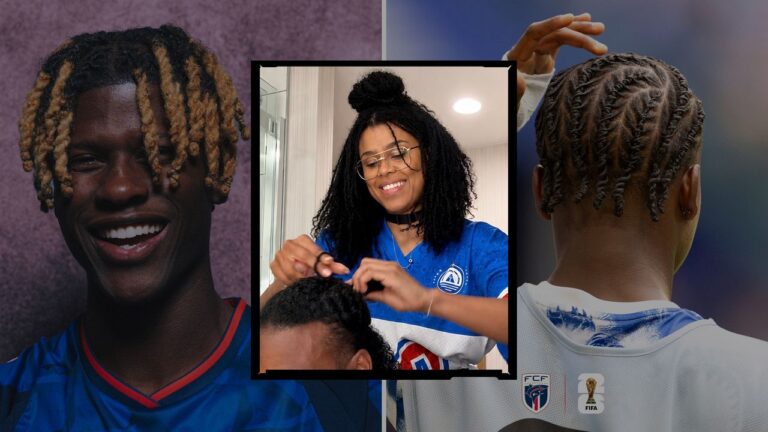
Lorreta Rocha, a Boston-based Natural hair care entrepreneur, became the official braider for Cabo Verde’s national team at the 2026 FIFA World Cup, a role that thrust her artistry onto the global stage following the team’s historic 0–0 draw with Spain. Running her braiding business from Dorchester, Rocha specializes in sports-team styling and has now gained international recognition for her intricate designs that blend cultural heritage with athletic performance. Her work represents far more than a hairstyle—it’s a statement of national identity at one of soccer’s biggest moments.
From Boston Studio to World Cup Glory
Rocha’s appointment as official braider for Cabo Verde marks a significant milestone for both her business and the island nation’s sports representation. Her designs appeared on players during matches watched by millions, making her braiding technique visible to a global audience. The role demanded expertise in creating styles that were not only visually striking but also practical for high-intensity athletic competition.
The braids Rocha created for the team carry practical and stylistic value in sports, offering durability and reduced hair interference during play. Her sport-optimized braiding is tailored for athletes—secure, lightweight, and sweat-resistant—ideal for World Cup conditions where players endure intense physical demands. This combination of performance engineering and aesthetic excellence distinguishes professional sports braiding from everyday styling.
Cultural Pride Woven Into Every Strand
For Rocha, the opportunity transcended professional achievement. “Twas an honor and amazing opportunity and a blessing to have had the pleasure to braid #caboverde national team,” she shared on Instagram, reflecting her deep emotional connection to Cabo Verde’s national identity through her craft. Her words capture the significance many Cabo Verdean diaspora members feel when their heritage gains visibility on the world’s largest sporting stage.
The braids themselves tell stories rooted in Cabo Verdean culture and history. As Rocha emphasized in her social media presence, “More than a hairstyle. This is Cape Verde. Every braid tells a story.” This philosophy aligns with broader Cape Verdean aesthetics celebrated for natural beauty and effortless style—an approach that emphasizes authenticity and cultural minimalism over trend-chasing. The braids worn by players became wearable representations of national pride, connecting athletes to their heritage with every match.
A Historic First for an Island Nation
Cabo Verde’s participation in the 2026 FIFA World Cup marks the nation’s inaugural appearance at the tournament, making Rocha’s role as official braider historically significant. This first-ever World Cup appearance carries enormous symbolic weight for a small island nation in West Africa, and every detail—from kit design to player appearance—contributes to how Cabo Verde presents itself to the world. Rocha’s braiding expertise became part of that national presentation.
The team’s visual identity extended beyond hairstyles to include their 2026 away kit, manufactured by Capelli Sport and featuring a stylized shark motif with a red vertical stripe that reflects Cabo Verde’s maritime identity. Female fans have also played a prominent role in lighting up the World Cup during their nation’s first tournament appearance, underscoring the growing visibility of women in Cabo Verdean sports culture—a visibility that mirrors Rocha’s prominence as a female braider shaping the team’s appearance.
What This Means for Sports Beauty Standards
Rocha’s appointment signals a shift in how professional sports organizations approach hair care and styling, particularly for teams from underrepresented nations. Her work demonstrates that specialized braiding expertise—rooted in cultural knowledge and athletic performance requirements—deserves professional recognition and compensation at the highest levels of international competition. The visibility of her designs challenges generic sports grooming standards and elevates culturally specific beauty practices.
The broader hair care ecosystem supporting World Cup athletes includes precise products like leave-in conditioners, edge control, and anti-frizz serums that maintain the integrity of intricate styles during matches. Rocha’s braiding work operates within this ecosystem, requiring knowledge of how hair products interact with sweat, humidity, and physical exertion. Her expertise bridges cultural artistry with sports science, a combination rarely highlighted in mainstream beauty conversations.
Cabo Verde’s Cultural Moment on the Global Stage
The crest designed for Cabo Verde’s World Cup campaign includes a blue shark, reinforcing the nation’s oceanic identity and connecting visual symbols across the team’s presentation. The designer behind this crest, Figueiredo, captured the emotional weight of the moment: “The logo would live for the world to see and the moment has come… A lot of emotion for sure.” This same emotion runs through every braid Rocha created—a tangible expression of national identity made visible to millions.
Cabo Verde’s first World Cup appearance represents decades of development in African football, and the nation’s visual presentation through Rocha’s braiding work honors that journey. The intricate designs serve as cultural ambassadors, introducing global audiences to Cabo Verdean aesthetic traditions and the artistry of professional braiding.
What Busy Moms Can Learn From This Story
Rocha’s journey offers insight for mothers managing their own beauty routines amid time constraints. Her approach to braiding—emphasizing durability, practicality, and cultural authenticity—mirrors how busy parents can approach self-care. Protective styles like braids reduce daily styling time while maintaining polished appearance, and choosing styles that reflect personal or cultural identity adds meaning to quick beauty routines. Rocha’s work proves that efficiency and artistry aren’t mutually exclusive.
The story of Cabo Verde’s World Cup appearance and Rocha’s role as official braider continues to unfold, with her designs now part of the visual record of the tournament. Her success opens doors for other culturally-rooted beauty professionals and challenges the beauty industry to recognize specialized expertise beyond mainstream trends. For mothers seeking to honor their heritage while managing practical beauty needs, Rocha’s example demonstrates that meaningful style is always worth the investment.
