
Key takeaways
- Shallow needle depth and artist experience are the main reasons fine-line tattoos disappear entirely during the healing phase.
- Brown ink fades faster than black because UV exposure breaks down weaker pigments that the body then removes.
- The inner wrist is a challenging placement that requires expert skill to balance proper depth with avoiding ink blowout.
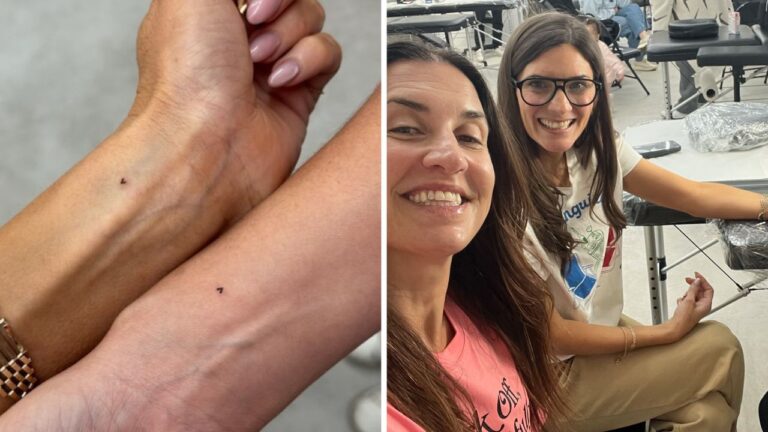
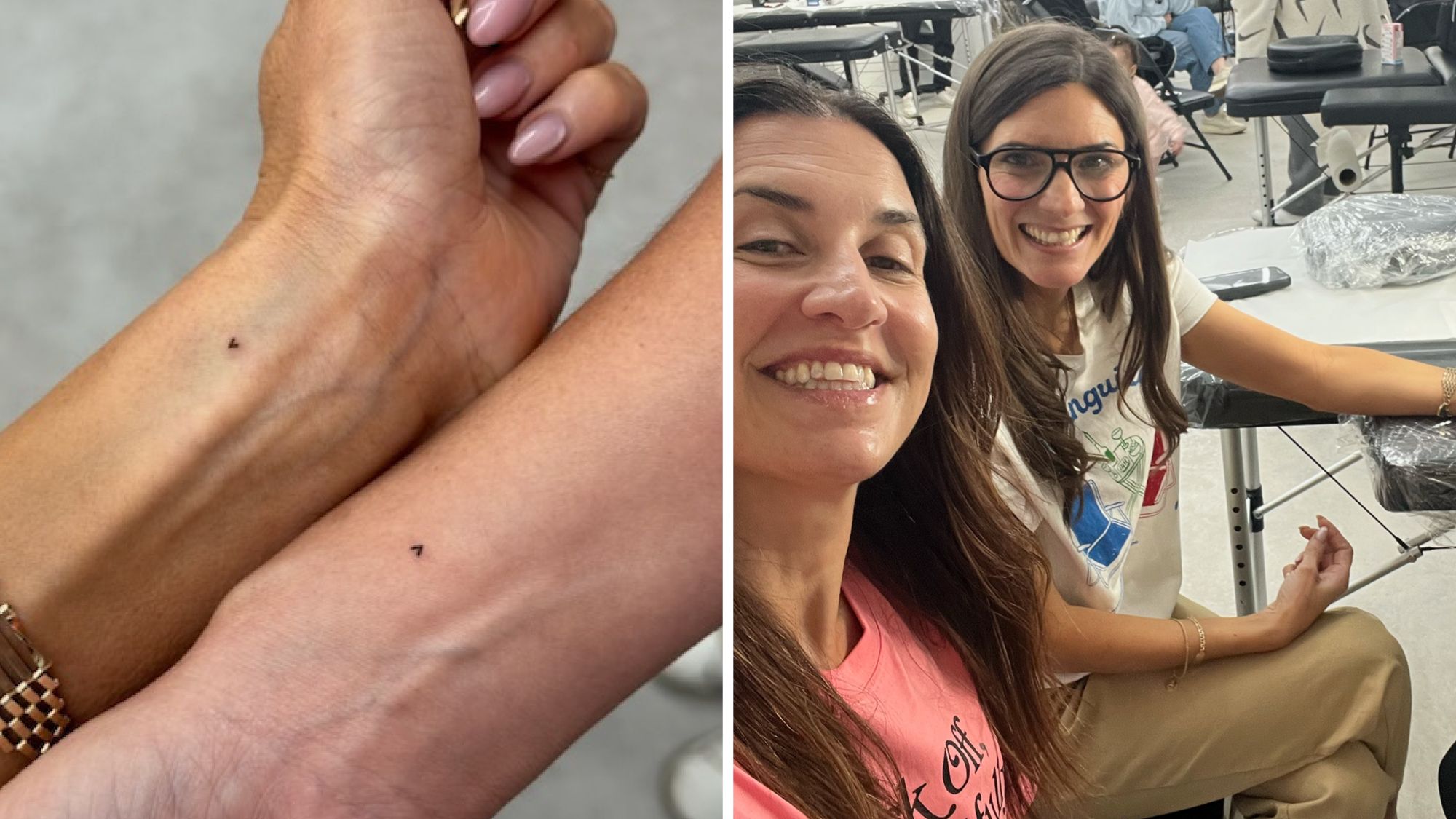
When Sarah Johnson and her childhood friend Leah decided to mark their 50th birthdays with matching tattoos, they envisioned a permanent symbol of their lifelong bond. After decades of friendship spanning two continents—Johnson had moved to Florida five years prior while Leah remained in London—the pair chose micro-freckle hearts in soft brown ink, placed on their inner wrists. They booked a well-reviewed fine-line tattoo boutique in Soho, paid £100 (approximately $135) per tattoo, and felt confident in their choice.
One week later, Johnson’s tattoo had completely disappeared.
What Happened During the Appointment
Johnson had spent the day preceding her appointment undergoing a Sofwave treatment, an ultrasound facial she describes as intensely painful. When she arrived at the studio for her tattoo, she asked Leah to go first. That’s when they learned their originally booked artist—the specific technician they’d selected months in advance after researching their portfolio—was unavailable. A junior artist would be performing both tattoos instead.
Despite the disappointment, the studio had an excellent reputation for fine-line work, so both women proceeded. The process proved painless; Johnson barely felt the needle, which she attributed to the lingering effects of her facial treatment. The artist applied a quick-drying liquid plaster spray once both tattoos were complete and instructed them to message if they needed touch-ups in a few weeks.
Why Micro-Fine Tattoos Can Fail
Needle Depth Issues
Johnson’s instinct that something went wrong during the appointment was correct. Pilar Zurita, a fine-line artist at New York’s Atelier Eva, identified the likely culprit: needle depth. “The artist was tattooing too close to the surface in an attempt to prevent ink from spreading or blowing out,” Zurita explained. “Because the needle didn’t reach the proper layer of skin, the pigment couldn’t hold.”
Overworking the Skin
Johnson had noticed the artist repeatedly going over the same area. This repetition compounded the problem. “It takes a lot of skill to find the perfect depth,” Zurita notes. “Going over the same spot too many times, even if done superficially, likely overworked the skin, creating a heavy scab that took all the ink with it once it healed.”
Artist Anxiety From Last-Minute Changes
Sarah Gaugler, a tattoo artist with nearly 20 years of experience in delicate designs, pointed to an additional factor: the last-minute artist change may have introduced nervousness or haste. “When an artist feels rushed or anxious, the needle may stay too shallow, placing the ink solely in the epidermis,” Gaugler explains. “If ink sits only in the epidermis, it remains in the scab that forms and then flakes away with that scab during healing.”
Age and Size: Not the Culprits
Johnson worried that her age might have contributed to the failure. At 50, she reasoned, her skin no longer healed as resiliently as it once had. Board-certified dermatologist Dr. Mona Gohara—who received her own first tattoo at 50—offered reassurance. While aging skin does experience decreased collagen production, reduced elasticity, and slower wound healing, these factors rarely cause a tattoo to vanish entirely. “A disappearing tattoo is more likely to involve technique, pigment depth, and location than simply turning 50,” Gohara states.
Similarly, Johnson questioned whether the tattoo’s small size doomed it from the start. Gaugler disputed this. “If a tattoo disappears entirely during the peeling phase, the cause rests with the artist’s technique and depth rather than the size of the artwork,” she says. “For tiny tattoos, yes, there is definitely a limit to how small a design can be before it blurs over time, however, your specific tattoo size would be perfectly fine. Tiny, fine-line tattoos can heal beautifully and last a lifetime when placed with proper precision.”
The Challenge of Inner Wrist Placement
The artist did offer one piece of sound advice: place the tattoos slightly away from the wrist crease. Zurita confirms this guidance as correct. The crease is a high-movement area that can compromise how a tattoo ages over time. She recommends positioning micro-work “a couple of inches below the wrist.”
The inner wrist itself, however, presents significant technical challenges. The skin there is thin and constantly in motion, making it one of the most difficult placements for fine-line work. “The inner wrist is a beautiful placement, but it takes a lot of skill to find the perfect depth,” Zurita explains. “The artist has to balance preventing fading with avoiding a blowout, especially since the skin there is so thin and subject to constant movement.”
A few days after Johnson’s tattoo fell off, Leah’s did too. Both women received full refunds from the studio and have since planned a second attempt.
Why Brown Ink Fades Faster Than Black
For their second attempt, Johnson and Leah are making a critical change: switching from brown to black ink. Although brown appears softer on the skin and trends seasonally, it is not practical for micro or fine-line work. Brown ink is created by blending primary pigments—typically blue, red, and yellow. Over time, UV exposure acts like a laser on these colors. “Because yellow and red pigments have much weaker chemical bonds than pure carbon (black), the sun breaks them down first,” Gaugler explains. “Your immune system easily cleans up those broken, tiny pieces and carries them away. That is why a brown tattoo can eventually appear patchy as the colors vanish.”
Zurita recommends classic black as the standard for micro and fine-line tattoos because “it heals much more solidly and holds up better over time.” Marina Molist, another New York fine-line artist, refuses to work with any other color. “It’s easier for the body to accept and retain black ink than other colors,” she states.
Selecting an Experienced Artist
Looking back, Johnson and Leah’s biggest mistake was accepting the last-minute substitution. Although they had specifically booked a senior artist specializing in micro designs, they allowed the studio manager to swap in a less experienced technician without pushback. The £100 fee seemed to suggest all artists at the studio provided equivalent results.
Not necessarily, according to Molist. “Money shouldn’t be the main reason why you pick an artist,” she says. “I always see tattoos as an investment—they will stay on your skin forever, so you might as well pick the artist who best fits your style and preferences.”
For their next appointment, the pair will verify the artist’s experience before committing and examine their portfolio carefully. The key: reviewing healed tattoos rather than fresh ones. “Anyone can make a fresh tattoo look good,” Zurita insists. “But healed work shows the artist’s real skill and technical depth.”
Aftercare Methods for Micro-Fine Tattoos
Traditional vs. Medical-Grade Adhesive
While proper aftercare could not have saved Johnson’s original tattoo, it will be crucial for the next one. Many studios use medical-grade adhesive films such as Saniderm or Tegaderm, or quick-dry spray plasters like the one used on Johnson’s first attempt. Gaugler, however, favors a traditional approach for delicate work.
“I recommend letting the skin breathe and applying a thin layer of unscented, lanolin-free A&D ointment two to three times a day for the first one to two weeks,” she advises. This method avoids potential issues with medical adhesives. “Sensitive skin can react to strong adhesives and spray-on plasters, which can cause blistering and rashes that can eventually lead to pulling the ink out entirely,” Gaugler cautions. Additionally, occlusive films can trap bacteria in a warm, moist environment against open skin, risking severe infection.
Hydration and Sun Protection
Beyond the first two weeks, Dr. Gohara emphasizes the importance of hydration and sun protection. “Staying hydrated directly affects your skin health and healing,” she states. “Once the skin has healed, be diligent about sun protection because UV exposure can contribute to fading.”
Frequently Asked Questions
Why did my micro fine-line tattoo fall off after one week?
If your tattoo fell off during the healing phase, the likely cause is shallow needle depth. If the needle doesn't penetrate to the dermis and only deposits ink in the epidermis, the ink will be shed with the scab during healing. Repeatedly going over the same area can also overwork the skin and create a heavy scab that pulls all the ink away.
Should I choose black or brown ink for a micro tattoo?
Black ink is more practical for micro and fine-line tattoos. Brown ink is made from mixed primary pigments—blue, red, and yellow—that have weaker chemical bonds than pure carbon. UV exposure breaks down these pigments over time, causing brown tattoos to appear patchy and faded. Black ink heals more solidly and holds up better.
Can age affect how a micro tattoo heals?
While aging skin does experience slower healing and decreased elasticity, a disappearing tattoo is usually caused by artist technique, ink depth, and placement rather than the client's age. With proper artist skill and technique, tiny fine-line tattoos can heal beautifully and last a lifetime, regardless of the wearer's age.
