
Key takeaways
- Dr. Jenny Liu highlighted these specific products in a comprehensive video review to address the growing demand for gentle exfoliation among mothers with rosacea, eczema, and postpartum sensitivity.
- Pregnancy and the postpartum period trigger hormonal shifts that increase melanin production, leading to melasma, uneven tone, and heightened skin sensitivity.
- Before introducing any new PHA product, experts recommend performing a patch test by applying a small amount under the chin or on the back of the neck and observing for 24 hours.
- Understanding gluconolactone concentration enables busy mothers to select products matching both their skin tolerance and desired timeline for results.
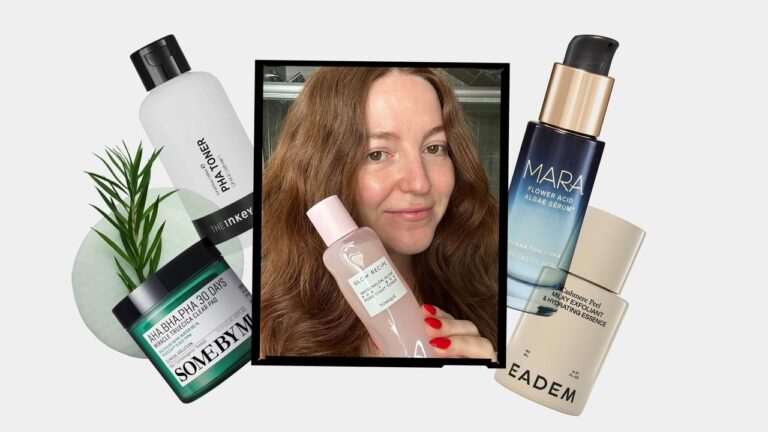
Board-certified dermatologist Dr. Jenny Liu specifically recommends Neostrata Bionic Face Cream, Dr. Jart+ PHA Exfoliating Serum, The Inkey List PHA Toner, and Dewtopia 25% AHA + PHA Flash Facial Mask as top-tier polyhydroxy acid products for mothers struggling with sensitivity, dullness, and uneven texture. Unlike traditional chemical exfoliants, PHAs—including gluconolactone and lactobionic acid—deliver exfoliation and brightening without compromising the skin barrier, a critical advantage for postpartum skin experiencing hormonal fluctuations and inflammation. These gentler acids are transforming how busy mothers approach Skincare, offering results without the irritation or downtime of harsher alternatives.
Dermatologist-Backed PHA Products Address Postpartum Skin Concerns
Dr. Jenny Liu highlighted these specific products in a comprehensive video review to address the growing demand for gentle exfoliation among mothers with rosacea, eczema, and postpartum sensitivity. The Inkey List PHA Toner ($18) stands out as a water-based, beginner-friendly option that can be applied on a cotton pad and used up to three times weekly without triggering reactive skin. Neostrata Bionic Face Cream and Dr. Jart+ PHA Exfoliating Serum round out the dermatologist-recommended tier, each formulated specifically to smooth texture and restore radiance while maintaining skin barrier integrity.
Gluconolactone, the primary PHA ingredient across these products, works effectively at concentrations ranging from 2% for highly sensitive skin to 10% or higher for significant brightening and smoothing results. Leave-on formulations can contain up to 15% gluconolactone, while rinse-off peels reach 30% concentration, allowing mothers to choose intensity levels based on their skin’s tolerance and their available time for skincare routines.
PHAs Offer Safety and Anti-Inflammatory Benefits During Pregnancy and Postpartum Recovery
Pregnancy and the postpartum period trigger hormonal shifts that increase melanin production, leading to melasma, uneven tone, and heightened skin sensitivity. PHAs address these concerns without the safety risks associated with AHAs, BHAs, and retinoids—making them the preferred exfoliant category for mothers navigating pregnancy, breastfeeding, and the postpartum recovery window. The Inkey List confirms that PHA is the most commonly recommended exfoliant for rosacea-prone skin due to its low irritation profile and anti-inflammatory properties, a distinction that extends to postpartum eczema and reactive conditions.
Dr. Shainhouse notes that PHAs possess antioxidant properties that help undo and prevent UV and pollution-induced free radical damage to collagen and skin cells, addressing the premature aging concerns many new mothers face due to sleep deprivation and stress. Unlike AHAs and BHAs, which increase the risk of sunburn and sun sensitivity, PHAs do not increase the number of sunburned cells, providing exfoliation and hydration without added UV vulnerability—a crucial advantage for mothers spending frequent time outdoors with young children.
Expert Skincare Routines Prioritize Simplicity and Consistency Over Complexity
Skincare experts have developed a practical “less is more” routine specifically designed for sensitive skin and busy mothers: a gentle cleanser, a PHA product used one to three times weekly (not nightly), a plain moisturizer, and a reliable daily sunscreen. This streamlined approach prevents over-exfoliation, a common pitfall when mothers rush through skincare steps or stack multiple active ingredients without understanding their cumulative effects. The Inkey List PHA Toner fits seamlessly into this routine as the post-cleansing step, allowing for straightforward application and minimal additional time investment.
For postpartum body skin experiencing stretching in the abdomen, thighs, and breasts, experts recommend applying PHA Body Water Cream ($15) to clean, dry skin both morning and evening. The complete body routine includes an Oat Cleansing Balm ($17) for sensitive skin, followed by PHA Toner, Hyaluronic Acid Serum ($23), and a ceramide-rich moisturizer—a sequence that targets reactive body areas while leveraging PHA’s humectant properties to hydrate while gently exfoliating dead skin cells.
Scientific Evidence Validates PHA Efficacy for Anti-Aging and Brightening
Research from the National Center for Biotechnology Information confirms that PHAs provide similar benefits to AHAs—including exfoliation and collagen manufacture—but without the irritation that limits their use among sensitive-skin populations. A study published in the medical journal Cutis further validated that PHA-containing products minimize the appearance of fine lines and wrinkles, addressing the accelerated aging signs common in new mothers contending with sleep deprivation and hormonal shifts.
Postpartum skin frequently presents a dull, fatigued appearance driven by hormonal changes and exhaustion rather than simple dehydration. These scientific findings provide concrete backing that PHAs are not merely gentle alternatives but genuinely effective anti-aging and brightening agents capable of restoring radiance and smoothness to compromised skin barriers. This dual benefit—safety and efficacy—distinguishes PHAs from traditional exfoliants and positions them as the optimal choice for mothers prioritizing both results and skin health.
Patch Testing Ensures Safe Introduction of New PHA Products Into Established Routines
Before introducing any new PHA product, experts recommend performing a patch test by applying a small amount under the chin or on the back of the neck and observing for 24 hours. This non-negotiable step prevents full-face reactions and saves both time and money by confirming product compatibility before daily use. Postpartum skin exhibits heightened reactivity due to hormonal fluctuations, making patch testing an essential safeguard rather than an optional precaution.
The Inkey List PHA Toner is specifically highlighted as a fantastic alternative for those easily sensitized by AHAs, making it an ideal starting point for mothers new to chemical exfoliation. Its water-based formula allows for cautious introduction and gradual frequency adjustment, empowering mothers to customize their exfoliation schedule based on real-time skin response rather than product marketing claims or generic recommendations.
Concentration Levels Guide Product Selection for Efficiency and Results
Understanding gluconolactone concentration enables busy mothers to select products matching both their skin tolerance and desired timeline for results. A 2% concentration provides safe daily maintenance without irritation risk, while 10% or higher concentrations deliver faster, more visible improvements in dullness and texture—critical for mothers seeking efficiency in their skincare investment. This concentration hierarchy transforms PHA selection from guesswork into a strategic decision aligned with individual skin needs and lifestyle constraints.
Mothers managing reactive postpartum skin should begin with lower-concentration formulations like The Inkey List PHA Toner before progressing to higher-concentration products. This graduated approach minimizes the risk of barrier damage while allowing skin to acclimate to active ingredients, ultimately enabling consistent use and sustained results without the setbacks associated with aggressive or poorly-timed product introductions.
