
Key takeaways
- A tinted moisturizer is a lightweight cosmetic product that blends moisturizing skincare ingredients with color-matching pigments to create a unified formula.
- Tinted moisturizers deliver sheer to light coverage, meaning they blur minor imperfections and even out skin tone without masking texture or creating a heavy, painted appearance.
- Postpartum skin experiences significant changes due to hormonal fluctuations, sleep deprivation, and the physical demands of recovery and breastfeeding.
- The concept of combining skincare and color pigment emerged gradually throughout the 20th century, beginning with tinted powders and foundations designed for theatrical use.
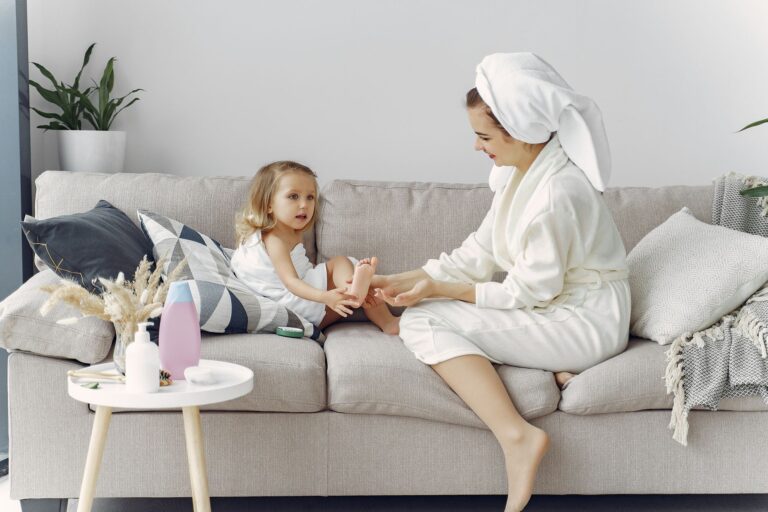
A tinted moisturizer combines hydration with subtle color coverage, delivering Skincare and makeup in one streamlined step—a game-changer for mothers juggling multiple demands on their time and attention. Unlike traditional foundation, which prioritizes coverage above all else, a tinted moisturizer prioritizes skin health while offering enough pigment to even out complexion and create a polished appearance. For busy moms, this hybrid product eliminates the need to choose between nourishing their skin or applying makeup, making morning routines faster and more manageable.
Understanding the Tinted Moisturizer Formula
A tinted moisturizer is a lightweight cosmetic product that blends moisturizing skincare ingredients with color-matching pigments to create a unified formula. The base contains humectants (ingredients that draw water into the skin), emollients (substances that soften and smooth skin), and often occlusives (products that seal moisture in), similar to what you’d find in a standard moisturizer. The key difference is the addition of iron oxides, titanium dioxide, or other pigments that provide sheer to light coverage while maintaining the product’s hydrating properties. This means the formula feels like a moisturizer on the skin but delivers a hint of color that evens out redness, dark spots, and overall skin tone.
The beauty industry began experimenting with color-tinted skincare products in the early 2000s, but the category gained significant momentum around 2010 when brands like Bare Minerals and Laura Mercier launched formulations that appealed specifically to consumers seeking minimal-makeup aesthetics. Today, tinted moisturizers represent a substantial segment of the complexion market, with dermatologists and makeup artists recommending them for their ability to hydrate while providing coverage.
Coverage Level and Finish Types
Tinted moisturizers deliver sheer to light coverage, meaning they blur minor imperfections and even out skin tone without masking texture or creating a heavy, painted appearance. The finish varies depending on the formula: some produce a Natural, skin-like matte finish that mimics your skin’s own texture, while others offer a subtle luminosity that catches light and creates a dewy, refreshed look. This range of finishes allows mothers to select a product that matches both their skin type and their preferred aesthetic, whether they’re aiming for barely-there coverage or a slightly more polished appearance.
Estée Lauder’s Double Wear Light, launched in 2006, pioneered the concept of lightweight, buildable coverage that didn’t require a separate moisturizer step. This product demonstrated that consumers would embrace a middle ground between heavy foundation and bare skin, validating the tinted moisturizer category and inspiring countless similar formulations from other beauty brands.
Why Tinted Moisturizers Work for Postpartum Skin
Postpartum skin experiences significant changes due to hormonal fluctuations, sleep deprivation, and the physical demands of recovery and breastfeeding. Many new mothers report increased sensitivity, dryness, oiliness, or a combination of both—conditions that heavy foundation can exacerbate by clogging pores or emphasizing dry patches. A tinted moisturizer addresses these concerns by delivering the hydration skin desperately needs while providing coverage that doesn’t feel like an additional burden on already-stressed skin. The lightweight formula also allows skin to breathe, making it suitable for mothers dealing with postpartum acne, rosacea flare-ups, or other inflammation.
Dermatologists frequently recommend tinted moisturizers to postpartum patients because the formula supports the skin barrier—the outermost layer of skin responsible for retaining moisture and protecting against environmental irritants—during a vulnerable period of hormonal transition. This focus on barrier health helps prevent the increased sensitivity and reactivity many mothers experience in the weeks and months following birth.
The Evolution of Tinted Moisturizers in Beauty Culture
The concept of combining skincare and color pigment emerged gradually throughout the 20th century, beginning with tinted powders and foundations designed for theatrical use. However, the modern tinted moisturizer as a distinct product category didn’t solidify until the early 2000s, when the “no-makeup makeup” trend gained cultural momentum. This aesthetic shift—driven partly by celebrities and influencers embracing a more natural appearance—created demand for products that enhanced rather than transformed the face. Brands responded by developing formulations that prioritized skin health alongside coverage, fundamentally changing how consumers approached daily beauty routines.
Bobbi Brown, a legendary makeup artist and founder of Bobbi Brown Cosmetics, championed the philosophy that makeup should enhance natural beauty rather than mask it. Her influence helped normalize the idea that lighter coverage and skin-focused formulations were desirable, paving the way for tinted moisturizers to become mainstream products rather than niche items. Today, nearly every major cosmetics brand offers at least one tinted moisturizer, reflecting how thoroughly this product has become integrated into modern beauty culture.
Frequently Asked Questions
Can I use a tinted moisturizer if I have oily skin?
Yes, many tinted moisturizers are formulated specifically for oily skin with oil-control ingredients like silicones or powder particles that help mattify the complexion. Look for products labeled as “oil-free” or “mattifying” and consider applying a lightweight primer underneath to extend wear time and minimize shine throughout the day.
How long does a tinted moisturizer last on the skin?
Tinted moisturizers typically last four to six hours without touch-ups, though longevity varies based on your skin type, climate, and activity level. For extended wear during busy days, you can set it with a light powder or use a setting spray to help the product last through morning school runs and afternoon activities.
Is a tinted moisturizer suitable for sensitive skin?
Many tinted moisturizers work well for sensitive skin because they contain fewer ingredients than traditional foundations and prioritize hydration over coverage. Always patch-test a new product on a small area first, and choose formulations free from common irritants like fragrance, essential oils, and alcohol if you have reactive skin.
Tinted moisturizers represent a practical solution for mothers seeking to streamline their beauty routines without sacrificing skin health or a polished appearance. By combining hydration, coverage, and convenience in a single product, tinted moisturizers allow busy moms to care for their skin while maintaining the confidence that comes from looking put-together, even during the most hectic days.
