
Key takeaways
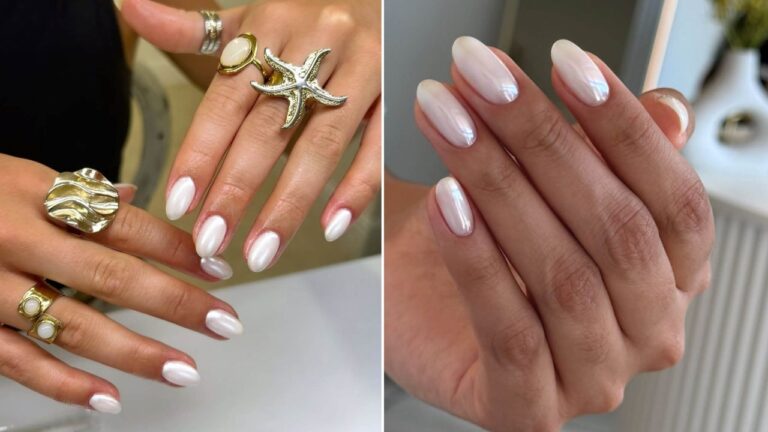
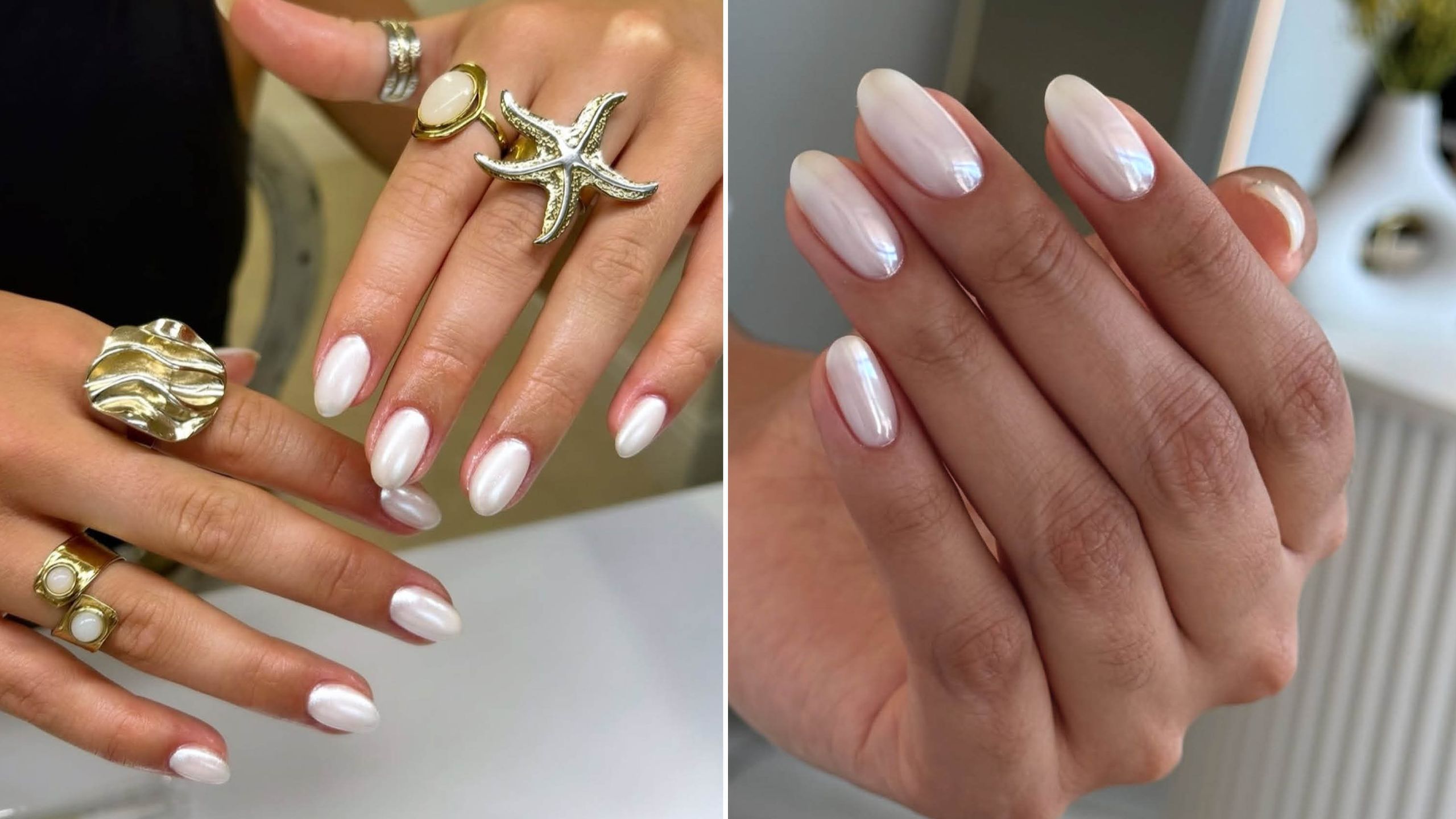
- Vanilla chrome nails use a warm nude base instead of white, creating a creamier, less silvery effect than glazed donut nails.
- Nail artist Natalie Minerva recommends OPI's Throw Me A Wink, Essie's Crystal Ball, or Le Mini Macaron's Chantilly as ideal base polishes.
- The trend achieves the "sweet spot between neutral and interesting," working across seasons and outfit styles without feeling dated.
- The technique requires only a warm-toned base, white chrome powder, and top coat—no mixing of multiple chromes like glazed donut nails.
When Hailey Bieber introduced glazed donut nails in 2022, the trend felt timeless from the start. That sheer, pearlescent white worked with everything, requiring nothing more than traditional polish right from the bottle. Yet as chrome manicures have proliferated across celebrity hands, the beauty industry has taken that original concept further. The latest evolution: vanilla chrome nails, a warmer, creamier take on the white manicure that manages to be both neutral and entirely distinguishable from its predecessors.
The naming convention might sound whimsical—after glazed donut, blueberry milk, and strawberry jam nails—but vanilla chrome represents a genuine technical shift in how nail artists approach the trend. What makes it different from glazed donut nails is not just marketing language; it reflects how the foundation layer interacts with the reflective chrome powder sitting on top of it. This seemingly small adjustment produces a noticeably different final look.
How Vanilla Chrome Differs from Glazed Donut Nails
The Technical Distinction
Nail artist Natalie Minerva breaks down the key difference between the two techniques. Glazed donut nails traditionally combine two chromes—silver and white—to create their signature look. This fusion produces more reflection than a standard white pearl chrome would deliver on its own. The technique was popularized by Zola Ganzorigt, whose influence on chrome manicure methodology has been significant enough to inspire a branded product: OPI’s Tin Can Man Glaze Chrome Effects powder, developed in direct collaboration with Ganzorigt’s work.
Vanilla chrome takes a fundamentally different approach to achieving a white chrome manicure. Rather than layering chrome over a stark white base, it starts with a warm, sheer nude foundation. This warmer-leaning undercoat makes the chrome effect look less silvery and considerably more creamy—hence the “vanilla” descriptor that gives the trend its name. The distinction might seem subtle, but it produces a visible change in how the finished manicure photographs and appears in person.
The Visual Result
The distinction matters visually in a way that extends beyond preference. A stark white base under chrome reads as highly reflective and cool-toned, nearly mirror-like in its intensity. A warm nude base allows the same chrome powder to catch light differently, producing a softer, more dimensional effect that feels less like a mirror and more like polished silk. The overall appearance becomes more sophisticated precisely because it avoids looking icy or artificial.
Minerva articulates this as vanilla chrome occupying a “sweet spot between neutral and interesting.” The warmth underneath prevents the manicure from reading as stark, while the reflective chrome layer keeps it from disappearing into the skin tone. This balance is what allows vanilla chrome to feel current without being a bold statement.
Building the Look: Foundation Matters
Why the Base Color Is Everything
Natalie Minerva emphasizes that the base color determines whether the final manicure reads as cool and silvery or warm and creamy. The shade directly underneath the chrome powder shapes the entire aesthetic outcome. This is why vanilla chrome cannot simply be recreated by applying chrome to any white nail—the undertone of what sits beneath the powder is the entire technique.
The foundation must be sheer enough to avoid reading as opaque, yet tinted enough to be distinctly warm rather than cool. This narrows the options to specific nude polishes that nail professionals have tested and refined over time. It is not simply a nude base applied randomly; it is a deliberate selection based on how that specific undertone will interact with chrome.
Product Recommendations for the Base
Minerva recommends OPI’s Throw Me A Wink as a starting point for anyone attempting the look. Its warm nude tone provides the ideal foundation for chrome powder to sit on without the final result reading as icy or overly reflective. Other professionals favor Essie’s Crystal Ball and Le Mini Macaron’s Chantilly, both offering that warm, sheer nude finish that allows chrome to enhance rather than dominate the overall effect.
The choice between these products often comes down to personal preference or what a nail technician has readily available in their collection. Each delivers the warm undertone necessary for vanilla chrome, though the exact shade varies slightly. A nail technician might test multiple bases with the same chrome powder to find which produces their preferred level of warmth.
The Chrome Powder Application
Once the base is set and fully dry, the chrome powder goes on top using a brush or applicator pen, depending on the product format and the technician’s preferred technique. This is where vanilla chrome simplifies compared to glazed donut nails. While glazed donut requires mixing two separate chromes, vanilla chrome uses any standard white chrome powder. The brand is less critical than the base layer itself.
The powder adheres to the sticky layer left by most top coats, creating that signature reflective finish. Applied correctly, the chrome powder catches light from multiple angles, creating the dimensional, pearlescent quality that defines chrome manicures broadly. The warmth of the base layer beneath the powder is what distinguishes vanilla chrome from other white chrome applications.
Why the Trend Resonates With Professionals and Celebrities
Minerva describes vanilla chrome as achieving what many neutral nail trends attempt but rarely deliver: true versatility without sacrificing visual interest. It reads as a “neutral” in the way that a white nail would, yet it includes enough reflective quality and visual dimension to feel intentional and current. The pearlescent quality prevents the manicure from reading as ordinary or boring, yet the warm undertone keeps it from feeling niche, trendy in an expiration-date sense, or seasonally limited.
This balance makes vanilla chrome genuinely wearable across contexts and seasons. Unlike seasonal nail trends tied to specific color palettes or themes, vanilla chrome complements most outfits regardless of the season. It reads sophisticated in professional settings and boardrooms, maintains its elegance on red carpets and runways, and feels equally at home in casual contexts. The look is versatile enough that someone could wear it year-round without it ever reading as out of place.
Building Your Vanilla Chrome Look at Home or With a Technician
For anyone considering vanilla chrome, whether at a salon or attempting it at home, the process is straightforward and requires only basic nail care supplies beyond the specific polishes. Start with a clean nail surface, apply a base coat to protect the nail, then apply the warm nude polish—whether OPI’s Throw Me A Wink, Essie’s Crystal Ball, Le Mini Macaron’s Chantilly, or another warm-toned nude of similar depth. Allow the base to dry completely before moving to the next step.
Once the base is fully set, apply a thin layer of top coat to create the sticky surface chrome powder requires. Then apply the white chrome powder using a brush or applicator, working systematically across each nail to ensure even coverage. A second coat of chrome powder often deepens the effect. Seal with a final top coat to protect the chrome and extend wear time.
The result is a manicure that reads as effortlessly current while feeling timeless. Vanilla chrome proves that evolution in nail trends need not mean complexity; sometimes it means understanding how a single foundational choice transforms the entire effect.
Frequently Asked Questions
What's the difference between vanilla chrome and glazed donut nails?
Glazed donut nails combine two chromes—silver and white—over a white base for maximum reflection. Vanilla chrome uses a single white chrome powder over a warm, sheer nude base, creating a creamier, less silvery finish.
What products work best as a base for vanilla chrome nails?
Nail artist Natalie Minerva recommends OPI's Throw Me A Wink, Essie's Crystal Ball, or Le Mini Macaron's Chantilly. The key is choosing a warm-toned, sheer nude polish that allows the chrome powder to create a creamy rather than icy effect.
Can anyone recreate vanilla chrome nails at home?
Yes. Apply a warm nude base polish, then a top coat, followed by white chrome powder applied with a brush. The process requires no special mixing or dual-chrome application like glazed donut nails.
