
Key takeaways
- Calling Adriana Lima's appearance changes a 'glow-up' frames appearance improvements as inherently good, disguising the old beauty standard judgment in positive language.
- Media praise of appearance changes conflates weight loss and cosmetic procedures with virtue, rewarding women for doing the work to meet restrictive beauty ideals rather than questioning the ideals themselves.
- Victoria's Secret has widened its casting standards for models, yet coverage of Lima still judges her value by how closely she matches her earliest famous appearance.
- The real cultural progress would mean ceasing to comment on celebrity appearance changes as achievements or failures, treating them as simple observation rather than celebration or criticism.
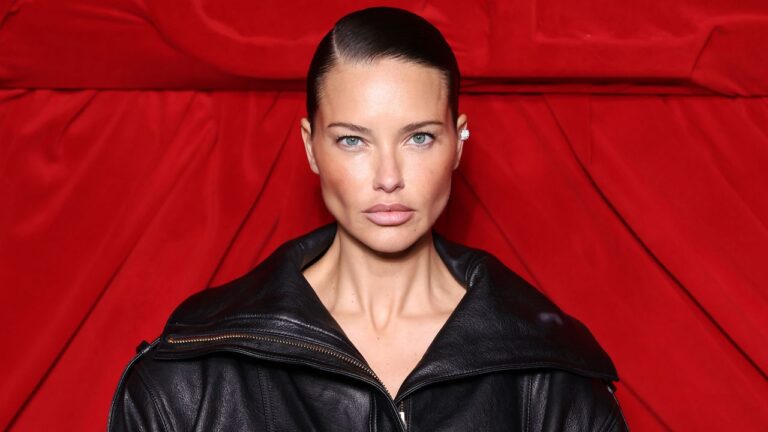
When supermodel Adriana Lima appeared in public with noticeably different features and body composition in 2023, the internet’s response split into predictable camps. Social media users deployed familiar critiques: accusations of weight gain, speculation about cosmetic procedures, commentary on her face. The Brazilian model who had defined beauty standards as a Victoria’s Secret Angel since 2000 was being actively judged for the sin of aging and living a human life.
What happened next, however, revealed a more insidious problem than the initial criticism. As Lima’s appearance shifted again, major media outlets pivoted to celebration. Vogue Arabia ran “At 45, Adriana Lima’s Stunning Makeover Marks a New Era for the Supermodel.” Women.com proclaimed “Anyone Who Thinks Your 40s Are Too Late for a Fresh Start Hasn’t Seen Adriana Lima’s Glow-Up.” The tone was congratulatory, the message seemingly progressive. According to reporting on the phenomenon, these headlines represented progress, a shift away from the mean-spirited body commentary of the late 1990s and early 2000s.
Except it didn’t.
The Language Betrays the Logic
The problem sits embedded in the word choice. When publications use “glow-up” to describe Lima’s appearance, they’re not simply observing that she looks different. They’re making a value judgment that this version is categorically better, which automatically defines the previous version as worse. According to Allure’s critical examination of this coverage pattern, this framing “automatically suggests that the way she looked for a little while was deserving of censure.”
That’s not progress. That’s just a kinder-sounding way of saying the same thing: your body before this was not good enough.
The mechanics work subtly. A headline calling something a “stunning makeover” doesn’t sound insulting the way “she got fat” does. It sounds like celebration. But both statements operate from the same foundation: a belief that there was a problem requiring fixing.
The Compliment That Isn’t
Media outlets praised Lima’s return to her familiar appearance with the enthusiasm typically reserved for a genuine transformation. Allure noted that publications essentially waited in ambush to deploy positive language about her changed features, as if they’d been rehearsing since 2023, ready to pounce with approval the moment she offered them the chance.
This selective cheerleading exposes the trap. If having a different body at age 45 warranted the internet’s cruelty, then having a familiar body at 45 shouldn’t warrant such outsized celebration. Both versions of Lima were still Adriana Lima, still operating well within conventional beauty standards even during the period when social media was quickest to criticize.
The enthusiasm to praise her return reads less like genuine appreciation and more like relief that she’d returned to the familiar standard, giving media outlets permission to write approvingly again.
Beauty Standards in Positive Language
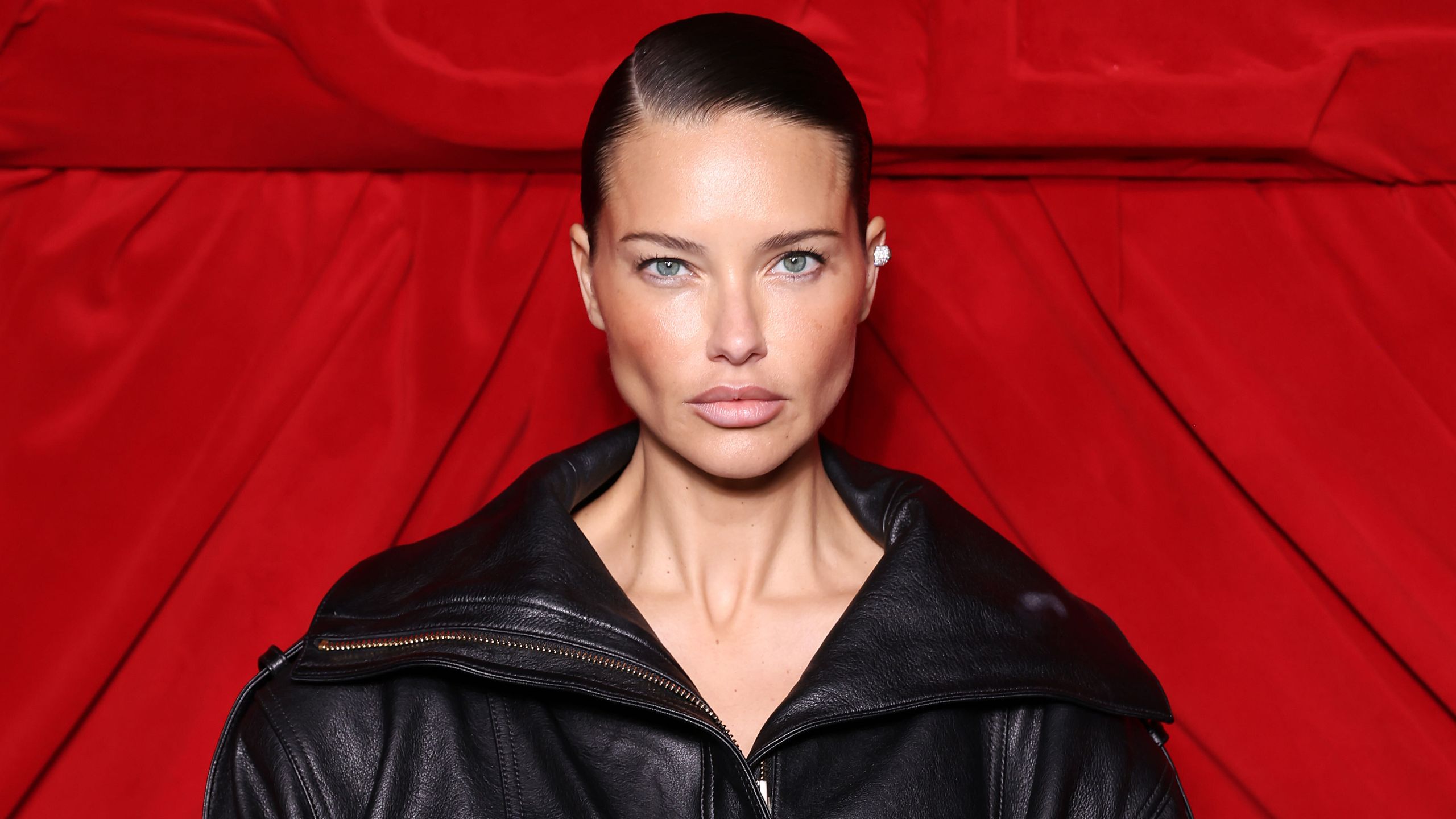
The shift in tone from insult to compliment doesn’t represent actual cultural change around beauty standards. It’s a cosmetic adjustment to the same limiting framework.
During the Y2K era that’s resurged in current nostalgia cycles, mainstream media magazines openly mocked size-six celebrities for being “bigger than ever.” That transparent cruelty became socially untenable. Publications learned not to say the quiet part loud.
How The Praise Trap Works
But what emerged instead is arguably more damaging because it’s harder to identify. When a magazine praises a woman’s weight loss as a “glow-up,” it frames these changes as universal improvements:
- Acknowledges that weight matters to beauty, suggesting losing it is noteworthy
- Suggests that a person’s value increases with their thinness
- Frames aging and life changes as problems requiring solutions
- Preserves the old beauty hierarchy while dressing it in empowerment language
The word “glow” itself is telling. Lima didn’t develop a new talent, achieve a goal, or accomplish something difficult. Her features and body composition changed. Yet the language borrowed from genuine achievement language. That rhetorical sleight of hand hides the fact that we’re still sorting women into hierarchies of acceptable appearance.
The Procedural Undercurrent
Embedded in “glow-up” language is an unspoken assumption about how appearance gets improved. The implication is that choices were made: diet, exercise, procedures, or a combination. Some of these choices are visible, others aren’t. Allure’s examination of this phenomenon included a personal account where the author received similar “glow-up” praise after visible weight loss achieved through GLP-1 medication plus continuing Dysport injections and periodic filler treatments.
The strange outcome is that medical interventions become conflated with virtue. Weight loss signals discipline. Injections signal investment. Both get rewarded with the language of celebration. It’s not quite praise for existing differently; it’s praise for doing the work to exist in a more acceptable way.
The Victoria’s Secret Paradox
Ironically, Victoria’s Secret itself has attempted to move beyond the impossible beauty standards it once enforced. The brand has increasingly invited models with a wider range of body types to walk shows, attempting to distance itself from its own legacy of narrow sizing.
Yet here the brand was, represented in fashion moments by one of its most famous angels, still navigating a cultural moment where her value seemed to hinge on returning to her earliest version. The shows themselves evolved. The media narrative didn’t.
Why The Timing Matters
The resurgence of Y2K nostalgia in recent years brought back low-rise jeans, tiny bags, and the beauty standards that accompanied them. This context matters. We’re not having this conversation in a vacuum. Younger generations are encountering the same brutal beauty standards that older generations survived, just packaged differently.
Media coverage of Adriana Lima’s appearance, whether cruel or complimentary, sends a message to everyone watching: your value fluctuates based on your appearance. And when that appearance changes, you will be judged. The only question is whether the judgment arrives as an insult or a compliment.
Beyond The Glow-Up Myth
Lima has been beautiful throughout her career in every configuration. She could look like her 2023 self for the rest of her life and that would remain true. Calling a change from one version of beautiful to another version of beautiful a “glow-up” isn’t kindness. It’s just cruelty with better marketing.
The real cultural shift would be ceasing to comment on celebrity appearances as moral achievements or failures. Recognizing that a 45-year-old woman looks more like a different version of herself is observation. Celebrating it as transformation suggests that both the observation and the celebration are necessary, which they aren’t.
Source: Allure
Frequently Asked Questions
What headlines did media outlets use to praise Adriana Lima's appearance changes?
Vogue Arabia published 'At 45, Adriana Lima's Stunning Makeover Marks a New Era for the Supermodel,' and women.com published 'Anyone Who Thinks Your 40s Are Too Late for a Fresh Start Hasn't Seen Adriana Lima's Glow-Up.' These headlines exemplified how media outlets shifted to celebratory language when describing Lima's appearance after 2023.
Why does Allure argue that calling appearance changes a 'glow-up' is problematic?
According to Allure, framing appearance changes as a 'glow-up' automatically suggests the previous appearance was deserving of criticism, which simply replaces the cruelty of direct insult with the subtler cruelty of backhanded praise. The underlying message—that a woman's value improves with appearance changes—remains the same.
How has Victoria's Secret's approach to beauty standards evolved?
Victoria's Secret has increasingly cast models with a wider range of body types in its shows, moving away from the extremely narrow standards it once enforced. However, media coverage of Lima, one of the brand's most famous former Angels, continues to measure her value by how closely she matches her earlier appearance, suggesting cultural attitudes haven't fully evolved.
