
Key takeaways
- Glycolic, lactic, and mandelic acids work at different intensities, with lactic and mandelic offering gentler options for reactive or dry skin.
- AHA formulations span cleansers, daily serums, pads, and intensive peels, allowing you to add exfoliation at the level your skin can handle.
- The most effective AHA products combine exfoliating acids with hydrating ingredients like hyaluronic acid or panthenol to prevent irritation.
When your skin looks dull, feels rough, or shows uneven tone, alpha hydroxy acids might be the missing piece. These water-soluble chemical exfoliants work by loosening the bonds that hold dead skin cells to the surface, revealing smoother, brighter skin underneath. The category spans everything from gentle daily serums to intensive at-home peels, and what makes the difference is understanding which type of AHA suits your skin and what formulation you’re willing to commit to.
Types of Alpha Hydroxy Acids
Not all AHAs deliver the same results. Each works at a different pace and intensity level, which is why choosing the right one matters for your specific concerns.
Glycolic Acid for Fine Lines and Texture
Glycolic acid tackles uneven texture and fine lines more aggressively than its counterparts because of its smaller molecular size. It penetrates deeper and works faster, making it the go-to for anyone ready to see visible smoothing after consistent use.
Lactic Acid for Dryness and Sensitivity
Lactic acid takes a gentler approach. According to board-certified dermatologist Mamina Turegano, MD, based in New Orleans, lactic acid “has hydrating properties, so it tends to be more tolerable for dry or sensitive skin.” This makes it ideal if your skin skews reactive but needs exfoliation.
Mandelic Acid for Easily Irritated Skin
Mandelic acid has a larger molecular size than glycolic, which means it penetrates slowly and stays gentler on sensitive or easily irritated skin. The tradeoff is slower results, but irritation-free exfoliation makes it worth the wait for reactive complexions.
Cleansing Away Buildup
Starting with a good cleansing base sets the stage for everything else. When Allure tested and reviewed SkinMedica’s AHA/BHA Exfoliating Cleanser, multiple staffers including the editor in chief signed on, along with board-certified dermatologists. The formula combines three different exfoliating methods to target multiple concerns at once.
The product blends glycolic, lactic, citric, and malic acids to loosen dead surface cells and smooth texture, while salicylic acid (a beta hydroxy acid) penetrates pores to clear excess oil and buildup. Soft jojoba spheres provide a bit of physical exfoliation without the harshness of traditional scrubs. According to Alexandra Bowles, DO, a board-certified dermatologist based in Cincinnati, it delivers results without aggression: “It lathers nicely, rinses clean, and doesn’t leave the skin feeling stripped or tight afterward.”
Allure’s contributing commerce editor Deanna Pai noted that the cleanser works even during hormonal breakouts, leaving skin soft and smooth without feeling squeaky-clean or overly tight, a balance that matters when ingredients are this potent.
Pads That Deliver Immediate Results
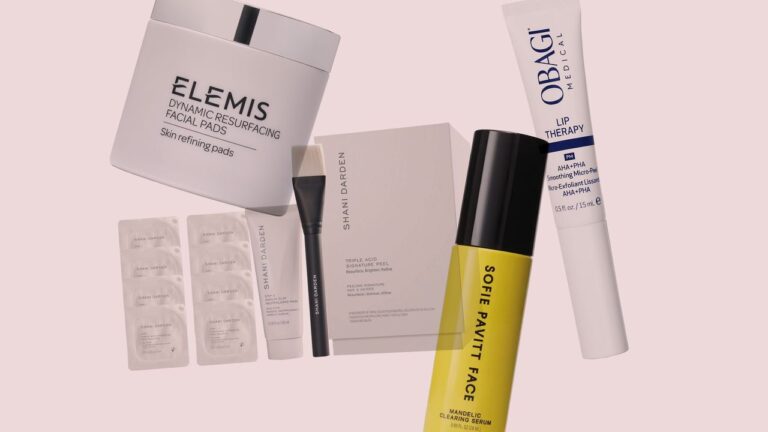
If you want visible improvement within minutes rather than weeks, Elemis’s Dynamic Resurfacing Facial Pads earned the 2026 Best of Beauty Award from Allure. A few swipes deliver an immediate glow that looks like months of consistent work.
The pads combine gentle lactic acid with the brand’s Tri-Enzyme Technology (papain, protease, subtilisin) to dissolve dead skin cells without compromising the moisture barrier. A probiotic ferment complex (Lactococcus ferment lysate) supports ongoing skin renewal, improving rough texture and the appearance of dark spots over time. When Allure’s managing editor Alessandra Foresto tested them, her facialist noted visible improvement in dark spots after just a month of use. The pads delivered immediate hydration and didn’t sting or dry her out, which mattered because her eczema was triggering post-inflammatory hyperpigmentation that needed addressing.
Daily Serums for Consistent Results
For those who prefer a lightweight daily option, Sofie Pavitt’s Face Mandelic Clearing Serum uses 8% mandelic acid to smooth texture and prevent the pore buildup that leads to breakouts. Because mandelic acid penetrates slowly, it’s gentler than glycolic, which is why Pavitt—known for treating acne-prone skin—chose it as her hero formula.
The serum pairs two forms of hyaluronic acid with soothing panthenol to replenish hydration alongside exfoliation, addressing the fact that acne-prone skin still needs moisture. Allure commerce editor Sarah Han appreciated the simple ingredient list without filler, noting that her complexion looked “brighter and more even as time goes on” with daily morning use. Sarah Hoffmann, another Allure commerce market editor, found it transformative for maintaining skin through a full workday in Manhattan, combating both oiliness and dullness that typically hit eight hours into her routine.
For those wanting something stronger, SkinBetter Science’s AlphaRet Exfoliating Peel Pads combine a retinoid with lactic acid, adding glycolic acid and salicylic acid for multiple layers of exfoliation. According to Dr. Nicole Ruth, a board-certified dermatologist in New York City, this “thoughtfully balanced approach” beats relying on a single aggressive acid. However, Dr. Ruth recommends using these pads only one to three times a week because the combination of exfoliating acids and retinoid can be intense, especially for reactive or already-irritated skin. Allure contributing commerce editor Deanna Pai uses them every other night on her oily, acne-prone skin and sees visible smoothing and clarity after a single pass.
Professional-Strength At-Home Treatments
When you need results comparable to a dermatologist’s office, Shani Darden’s Triple Acid Signature Peel won the 2023 Best of Beauty Award from Allure. The two-step treatment delivers professional-level results without leaving your bathroom.
The peel applies a potent trio of glycolic, lactic, and mandelic acids to tackle uneven tone, fine lines, and rough texture. The first step involves applying the Triple Acid Solution Peel for one minute (or up to two if your skin tolerates it), then layering the Neutralizing Clay Mask directly on top for 10 minutes. The kaolin and bentonite clays neutralize the acids and ease tingling, allowing you to get smoothing benefits without overdoing exposure time. Allure’s editor in chief Jessica Cruel relies on this peel before television appearances and red carpet events, calling it the closest thing to a full-studio facial you can do at home.
Exfoliating Beyond the Face
Dead skin cell buildup doesn’t stop at the face. AmLactin’s Daily Nourish Body Lotion harnesses 12% ammonium lactate, a gentler form of lactic acid created by combining lactic acid with ammonia. This formulation can slough away dead skin while drawing in moisture to soften dry, rough patches. The lotion keeps the formula simple with just glycerin and mineral oil alongside the active ingredient, making it especially helpful for anyone who wants to smooth rough textures without complicating their routine, according to Dr. Nicole Ruth.
For lips, Obagi’s Lip Therapy AHA+PHA Smoothing Micro-Peel uses three exfoliating acids—glycolic, lactic, and gluconolactone—to gently loosen buildup instead of relying on abrasive scrubs. Shea butter and argan oil seal in hydration, and glycerin plus hyaluronic acid attract and retain moisture. Allure commerce editor Sarah Han appreciated that it comes out like a clear serum, smooths almost instantly, and requires no irritating physical scrubbing. Dr. Ruth recommends following any lip exfoliator with a bland, occlusive balm like Vaseline because the lip barrier is delicate.
Source: Allure
Frequently Asked Questions
What's the difference between glycolic, lactic, and mandelic acid?
Glycolic acid has the smallest molecular size and penetrates deepest, tackling fine lines and texture but working more aggressively. Lactic acid is gentler and has hydrating properties, making it better for dry or sensitive skin. Mandelic acid has a larger molecular size, making it the gentlest option for easily irritated skin, though it works more slowly.
How often should you use AHA products?
It depends on the product strength. Daily cleansers and serums are designed for everyday use, while intensive formulas like peels should follow package directions. SkinBetter's AlphaRet pads are recommended only one to three times per week because the combination of exfoliating acids and retinoid can be intense.
Can you combine AHAs with other active ingredients?
Yes, but with caution. Many products already combine AHAs with other exfoliants or hydrating ingredients. SkinBetter's AlphaRet pads combine acids with a retinoid. Dr. Ruth notes that this combination can be intense, especially for reactive or already-irritated skin, and recommends using them only one to three times per week.
