
Key takeaways
- Hailey Bieber's Rhode Lip Case, launched in February 2024 at $38, sparked a viral trend that's now overrun with knockoffs from Temu, Shein, and major beauty brands.
- Imitators like Daise, Dior, and Charlotte Tilbury have entered the space, but testing shows many are unsanitary, poorly designed, and ultimately impractical.
- Beauty's phone case obsession adds to an already massive plastic waste problem—7.9 billion units of plastic for beauty products were produced in the U.S. alone in 2018.
- Attaching beauty products to phones, which are 10 times dirtier than toilet seats and warmed by use, creates hygiene concerns most brands ignore.
When Hailey Bieber launched Rhode Beauty’s Lip Case in February 2024, she created something that felt genuinely novel: a $38 silicone phone case designed around a single function—holding Rhode’s Peptide Lip Treatment in its own designated compartment. The case went viral almost immediately. Young consumers began collecting multiple colorways, posting endless mirror selfies featuring the case, and treating ownership as a form of brand allegiance. The cultural moment crystallized when Justin Bieber referenced it in his song lyrics: “iPhone case / Lip gloss on it.” For Rhode devotees, the case became more than a functional accessory. It was a statement piece, proof of loyalty to both the brand and its famous founder, particularly visible in the hands of shoppers walking through Manhattan and beyond.
Two years later, what was once a singular moment has become a template everyone is copying. Temu and Shein overflow with counterfeit versions in nearly every color. Established beauty brands saw the opportunity and began launching their own takes on the hybrid product, each convinced they could capture some portion of the appeal Rhode had stumbled into.
From Trend to Category: The Imitators Emerge
The Pop Socket Beauty Experiment
Earlier this year, Daise Beauty entered the space with a lip balm designed to adhere to the back of your phone Pop Socket-style. The concept promised convenience: beauty and function unified on a single object you already carry everywhere. But according to Allure’s testing, the appeal wore thin quickly. Katie Gunderman, an associate social media manager at Allure, found that within a week of keeping the product in her pocket or purse, it would slide open repeatedly, accumulating lint and debris along the way. After that experience, applying it to her lips became unthinkable.
When Luxury Brands Follow
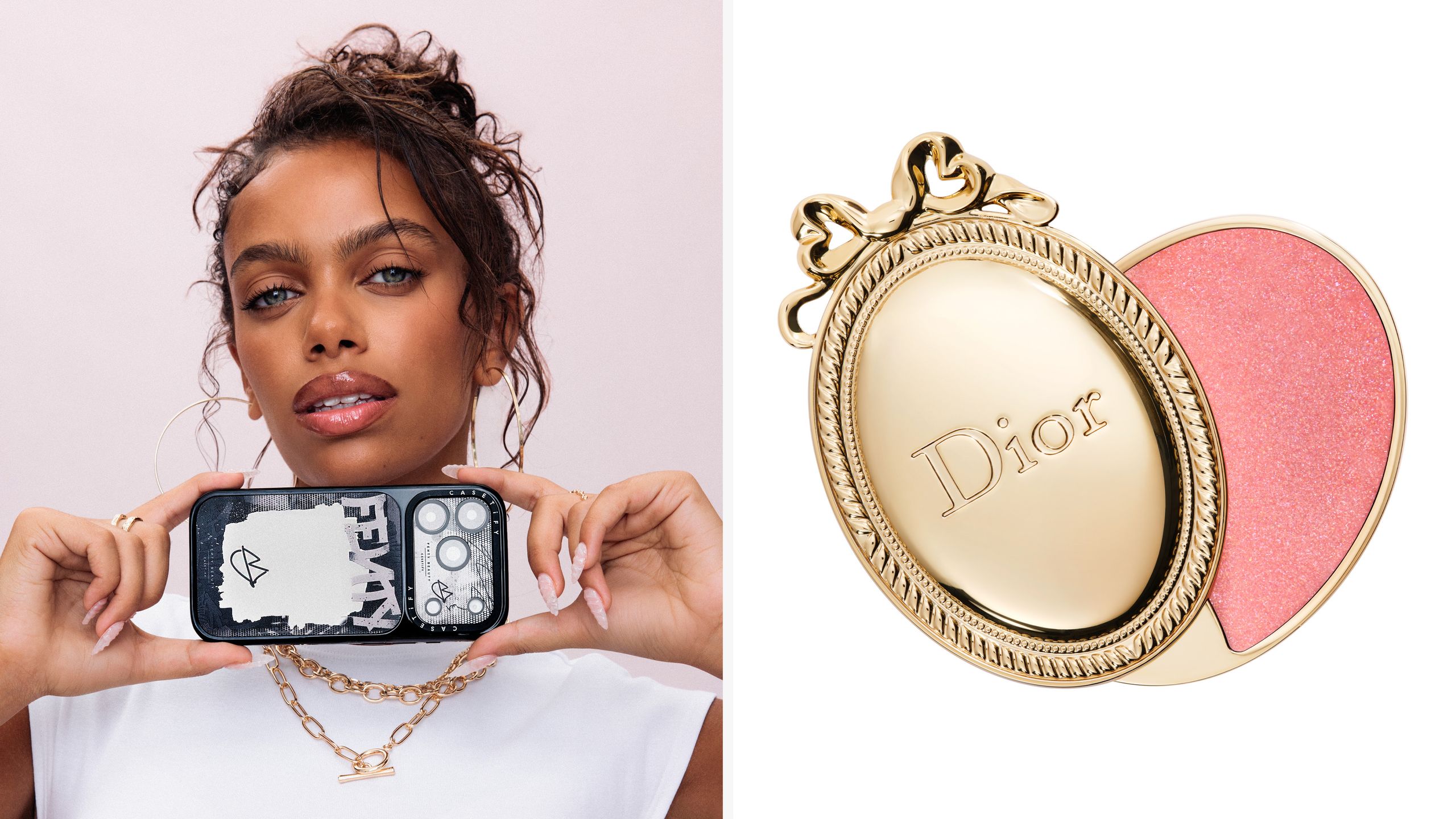
Designer labels have since launched their own versions. Dior began selling a mini lip balm designed to stick to your phone, carrying a $95 price tag. Charlotte Tilbury announced a mini setting powder available as a complimentary gift with purchase, attached using the same adhesive mechanism. Both bets on the premise that consumers would actually want to attach beauty products to devices they touch thousands of times daily.
The Size Problem
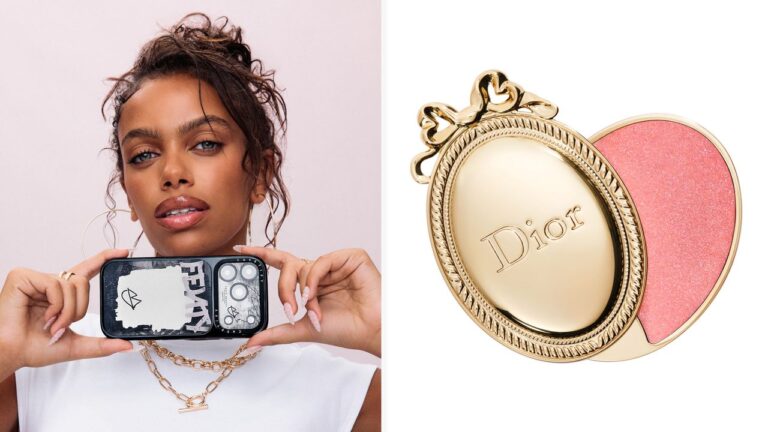
Fenty Beauty collaborated with Casetify to create a phone case holding both a tiny powder and a tiny lip gloss in compartments. The design is so bulky that fitting it into a pocket or small purse becomes impossible—the core requirement a phone case is supposed to fulfill.
Plastic Waste We’re Normalizing
Beauty and personal care packaging consumed 7.9 billion units of rigid plastic in the United States in 2018, according to research from Euromonitor International, predating the current explosion in branded phone accessories, clip-on beauty products, and other merchandise that major brands now aggressively market. The global market is projected to grow 5 percent annually through 2030, meaning the plastic footprint continues expanding. The most damning statistic: only 9 percent of all plastic waste ever produced has been successfully recycled into something useful. The rest ends up in landfills or the environment.
Phone cases designed around beauty trends exemplify the waste problem perfectly. They’re engineered for novelty, not durability. When a colorway becomes dated or a phone gets replaced, the case ends up discarded. Each iteration pushes more plastic into circulation for products that might be used for months before becoming garbage.
The Hygiene Realities Nobody Discusses
Research published in Time established that cell phones harbor bacteria at concentrations ten times higher than most toilet seats. That finding came nearly a decade ago, before the compulsive screen time that now dominates daily life. Dscout data revealed that the average person touches their phone 2,617 times per day. Deliberately attaching a beauty formula to that surface—something destined for your mouth or face—introduces hygiene concerns that most marketing materials simply ignore.
Phones generate heat during operation. Products sitting on a warm surface may destabilize or degrade differently than they would at room temperature. Pop Socket-style attachments create additional problems: adhesive causes products to slide open inside pockets, collecting dust and fibers before reaching lips or skin. The hygiene equation deteriorates rapidly in these scenarios.
Design Intention Actually Matters
Rhode’s original case operates with deliberate design thinking that most imitators lack. The case pairs with a full-size product, not a miniaturized version. It’s built to last through an entire phone’s lifespan. The silicone construction maintains separation between the phone surface and the lip treatment, providing more protection than adhesive-based alternatives.
The knock-offs and brand collaborations that followed feel opportunistic by comparison. They exist primarily to capitalize on a trend, not to solve an actual problem or improve on the original concept. The difference in intentionality is obvious when you examine the results.
Contradictions at the Heart of Beauty Consumption
Hailey Bieber recently told Fortune that she doesn’t support overconsumption, yet she continues operating Rhode as a business designed to sell products—including the six colorways of the Lip Case currently available. This tension sits at the heart of modern beauty marketing: brands that acknowledge waste problems while actively creating more products designed for disposal.
Every beauty brand accelerates consumption simply by manufacturing products with finite lifespans. But the phone case category makes the problem visual and absurd. Your phone case becomes a branded surface. Every mirror selfie becomes unpaid advertising. Consumers have transformed into walking billboards, marketing through pictures they take for personal use. The exhaustion is multifaceted: environmental burden, hygiene concerns, and the psychological drain of endless new categories marketed as must-haves. A trend that seemed innovative two years ago now registers as background noise, and what was charming becomes clutter.
Source: Allure
Frequently Asked Questions
When did the Rhode Lip Case launch and what does it cost?
The Rhode Lip Case launched in February 2024 for $38. It's a silicone phone case designed to hold Rhode's Peptide Lip Treatment.
Why is it unsanitary to attach beauty products to phones?
Cell phones carry bacteria at concentrations 10 times higher than toilet seats and accumulate dust when in pockets. Phones also heat up during use, potentially destabilizing products meant for lips or skin.
Which major brands copied the Rhode Lip Case concept?
Daise Beauty created a Pop Socket-style lip balm, Dior launched a $95 mini lip balm, Charlotte Tilbury introduced a free mini setting powder, and Fenty Beauty partnered with Casetify on a case holding powder and gloss.
