
Key takeaways
- Color-safe shampoos and conditioners use sulfate-free formulas with amino acids, antioxidants, ceramides, and lightweight proteins to protect pigment and maintain strand health.
- Different hair types need different approaches: fine hair benefits from lightweight formulas like Kevin Murphy and Rōz, while blonde needs deep hydration from Pureology and Biolage.
- Washing just two to three times per week, avoiding hot water and heat tools, and protecting hair from UV rays extends color life as much as using the right shampoo.
- Metal purifiers in formulas like Wella help remove minerals from hard water that can dull and distort color, especially in brunettes and reds.
When you walk out of the salon with a fresh color—whether it’s a subtle balayage, a bold fashion shade, or a natural-looking brunette—the goal is always the same: keep it looking as vibrant as the day you got it. But reality sets in quickly. Color fades. Shine dulls. The investment starts to feel less and less worth it with every wash.
The culprit? Using the wrong shampoo.
According to Sierra Kener Mehl, a hairstylist based in West Hollywood, this is one of the most preventable mistakes people make. “Using a shampoo made for color-treated hair helps protect your investment, keeps the color looking fresh longer, and helps maintain shine and overall hair health between appointments,” she explains. The catch is that most drugstore shampoos—especially those loaded with sulfates or marketed as clarifying formulas—actively work against you, stripping pigment right down the drain. Color-safe conditioners, meanwhile, keep strands moisturized and healthy, which is especially critical after a dye job when hair might be dry, damaged, and in need of extra care.
The good news? There are formulas specifically engineered to cleanse without sabotaging your color. After months of testing, these are the ones worth adding to your shower.
Understanding Why Color-Treated Hair Needs Different Care
Color-treated hair is fundamentally different from virgin strands. The dyeing process—whether balayage, all-over bleaching, or at-home color—opens the hair cuticle, deposits pigment molecules, and leaves the strands more porous and fragile in the process. That porosity means color molecules leach out more easily, and the fragility means hair is more vulnerable to breakage and damage.
Regular shampoos don’t account for this vulnerability. Many are formulated with the assumption that hair is healthy and intact. They prioritize lather and deep cleansing over color preservation. That’s why Mehl emphasizes that “color-treated hair tends to be more fragile and porous, so keeping the cuticle healthy is really important.”
Once your color starts to fade, it’s not just about the shade disappearing—it’s about the overall character of your look degrading. A fresh balayage loses its dimension. A cool blonde drifts toward brass. A rich brunette becomes muddy. Protecting that investment means rethinking your entire wash-day routine.
What Color-Safe Shampoos Actually Do Differently
The Critical Problem With Sulfates
The most visible difference between color-safe and regular shampoos is the absence of sulfates. These cleansing agents trap oil-based dirt so it can be rinsed away—and they’re also responsible for the thick lather you see in most conventional shampoos. The problem? Sulfates are aggressive. They strip not just oil and buildup, but also the natural oils that protect your scalp and lock color into the hair shaft.
According to cosmetic chemist Randy Schueller, water itself is actually more damaging than cleansers when it comes to color loss—”When your hair gets wet, it swells, the hair shaft opens, and some color leaches out.” That said, sulfates compound the problem. Board-certified dermatologist Aanand Geria, MD, explains that sulfates “strip the [scalp] of its natural oils” more effectively than gentler alternatives, leading to dryness and flaking. They’re also known for irritating skin.
Colorist Nikki Ferrara from New York City is a vocal advocate for sulfate-free options precisely because she’s seen the difference in her clients’ results. The sulfate-free formulas she recommends “extend the shelf life of your hair color and prevent fading.”
Key Protective Ingredients That Lock in Pigment
Beyond avoiding sulfates, color-safe formulas are loaded with specific actives designed to preserve pigment and maintain strand health. Look for amino acids, antioxidants, ceramides, and lightweight proteins—all of which support the health of the cuticle and help lock pigment in place.
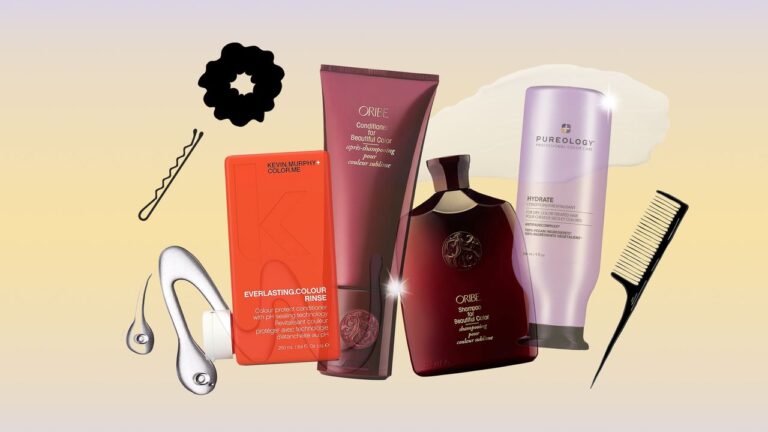
Pureology’s Hydrate Moisturizing Shampoo and Conditioner, an Allure Best of Beauty Award winner, relies on this ingredient philosophy. The duo features jojoba oil for creaminess and shine, paired with green tea and sage extracts—both antioxidant-rich—to support scalp health while hydrating strands. A brass-busting lavender tint helps keep blonde tones cool.
For those with brunettes and reds—shades that fade faster and lose their glossiness more quickly—Wella’s Ultimate Color Shampoo and Conditioner offers metal purifier technology. This ingredient removes minerals from hard water that can distort or dull color and cause unwanted tone shifts. Mehl notes: “The metal purifier technology is definitely a bonus because it helps protect the color from minerals in your water that can cause fading or unwanted tone shifts.”
Biolage’s Professional Hair Spa Color Last Shampoo & Conditioner (winner of an Allure Best of Beauty Award in 2025) uses soybean oil and stearic acid, an ingredient that forms a lightweight barrier over strands to lock in moisture and protect color. Global senior director of commerce audience and analytics Lexi Herrick found that this duo “has become one of my absolute staples” and noted she can “visibly see this product extending the life of my color over time.”

The Right Formula for Your Hair Type and Color
Lightweight Options for Fine and Thinning Hair
If you have fine, color-treated hair, choosing the right shampoo and conditioner is a balancing act. You need enough hydration to keep your color vibrant, but not so much that your roots fall flat or look weighed down.
Kevin Murphy’s Everlasting Color Shampoo and Rinse addresses this directly. According to NYC colorist Abby Haliti, “Botanical extracts and antioxidants work together to lock in pigment and improve overall hair condition. Their lightweight formulas ensure smooth manageability without dulling shine, making it a reliable choice for color-treated routines.” The sulfate-free pairing hydrates without heaviness.
Rōz Foundation Shampoo and Mask (a Best of Beauty Award winner) uses coconut-derived surfactants to cleanse without stripping, while ceramides keep both scalp and strands comfortable. The mask contains vitamin E-rich coconut oil and rice bran extract for strengthening. Mehl notes that this duo “performs really well on medium hair types in particular” and represents a “great choice for clients looking for a cleaner beauty option that still performs really well on color-treated hair.” The formula is particularly effective for gray hair, which tends to be coarse, dry, and wiry.
Deep Hydration for Blonde and Lightened Hair
Blonde hair—especially if it’s been double-bleached or heavily lightened—requires aggressive hydration. Biolage’s Professional Hair Spa Color Last Shampoo & Conditioner delivered strong results for testers with compromised blonde. Allure commerce editor Sarah Han reported: “I’ve put my hair through the wringer, a.k.a. double-bleached it many times throughout the years, and it shows in how dry and brittle it gets. This Biolage duo leaves my hair feeling soft post-shower and my pink surprisingly intact.”
For all-over hydration paired with color vibrancy, Pureology’s Hydrate duo won consistent praise. Beauty director Sarah Kinonen uses it on long, fine, color-treated hair and noted: “I typically double- (and sometimes even triple-) shampoo because of how dirty and oily my hair gets during the week. I love that this one lathers fast. As for the conditioner, I like to use it as more of a mask, raking it through my mids to my ends, and then letting it marinate while I shave my legs. The result is always soft, shiny, and super-clean hair.”
For Brunettes, Reds, and Budget-Conscious Shoppers
Brunettes and reds have their own fading challenge. “Those shades tend to fade a little faster and lose that rich, glossy look between appointments,” according to Mehl, which is why she recommends Wella’s Ultimate Color Shampoo and Conditioner. The metal purifier technology specifically targets the mineral buildup that dims these deeper tones. The formula also includes glycine and vitamin B5 to shield hair from free radical-induced damage, lock in moisture, and improve the look of brittle, overprocessed strands.
On a budget? L’Oréal Paris’s EverPure Moisture Shampoo delivers color protection without the premium price tag. The sulfate-free formula is infused with antioxidant-rich rosemary oil and lifts away oil and buildup at the roots without stripping fresh color. Pair it with the matching conditioner to seal in hydration and boost shine.
Oribe’s Shampoo and Conditioner for Beautiful Color is perfect for those managing color alongside other chemical treatments like keratin straightening and perms. According to Washington, DC–based colorist Ian McCabe, “This is a great option as it is sulfate-free and safe for those with a keratin treatment.” The lightweight, non-stripping formula features the brand’s Signature Complex, a blend of antioxidant-rich watermelon, lychee, and edelweiss flower extracts. Both formulas also contain baobab tree extract for added hydration. “It smells amazing and leaves the hair so shiny,” McCabe adds.
Protecting Your Color Beyond the Wash
Even the best shampoo can’t fully protect your color if you’re not managing the other factors that cause fading. Hard water is one culprit—minerals in tap water can accumulate on strands and cause discoloration or dullness. Heat styling is another. St. Louis–based colorist Caitlin Ford warns that overuse of hot tools accelerates fading, as does washing in hot water. “The sun bleaches color out of everything, including your hair. If you’re going outside for extended periods of time, protect your scalp and hair with a hat,” she advises. Adding a hair sunscreen provides extra defense against UV rays.
How Frequently Should You Wash?
Washing habits matter as much as product choice. The less often you wash, the longer your color stays vibrant. Mehl recommends washing just two to three times a week for most people. This reduces the number of times pigment molecules have a chance to escape—remember, even water causes some color loss as the hair shaft swells and opens.
For those with oily hair or significant product buildup, avoiding clarifying shampoos as your everyday wash is crucial. While these deep-cleansing formulas have a place in a routine, they “definitely have their place, but they shouldn’t be your everyday shampoo if you’re trying to maintain your color,” according to Mehl. If you absolutely need a deeper clean between color-safe washes, space out clarifying shampoos and return to your gentle formula immediately after.
The Sulfate Debate: What the Science Actually Says
The verdict on sulfates remains somewhat contested among chemists and dermatologists, but the evidence points in one direction for color-treated hair. While some research suggests that water causes as much fading as sulfate-based cleansers, dermatologist Aanand Geria and colorist Matt Rez (a Redken brand ambassador) both emphasize that sulfates are drying. Over time, that dryness damages the very strands that hold your color. Cosmetic chemist Ron Robinson notes that sulfates can “dry hair out, which can be especially damaging after coloring.” They’ll also make your eyes burn if they come into contact with skin.
The safer play? Err on the side of caution. Sulfate-free formulas give you clean hair without the risk of over-stripping, and virtually every professional consulted for this review recommends them for color-treated hair. Not only do they preserve your investment in color, they also support overall scalp and strand health.
Frequently Asked Questions
Why do sulfates cause color to fade faster?
Sulfates strip away the natural oils that protect your scalp and lock color into the hair shaft. While water itself causes some color loss when hair swells and opens, sulfates compound the problem by being overly aggressive cleansers. Board-certified dermatologist Aanand Geria explains that sulfates strip the scalp of natural oils, leading to dryness and flaking, which is especially damaging after coloring.
How often should I wash my color-treated hair?
You should wash color-treated hair two to three times per week. The less often you wash, the longer your color stays vibrant. Every wash, even with water alone, causes some color loss as the hair shaft swells and opens, so reducing wash frequency is one of the best ways to extend your color between salon appointments.
What ingredients should I look for in a color-safe shampoo?
Look for amino acids, antioxidants, ceramides, and lightweight proteins. These support the health of the hair cuticle and help lock pigment in place. Specific beneficial ingredients include jojoba oil, green tea and sage extracts, soybean oil, coconut oil, rosemary oil, and metal purifiers (which remove damaging minerals from hard water). Avoid sulfates entirely.
