
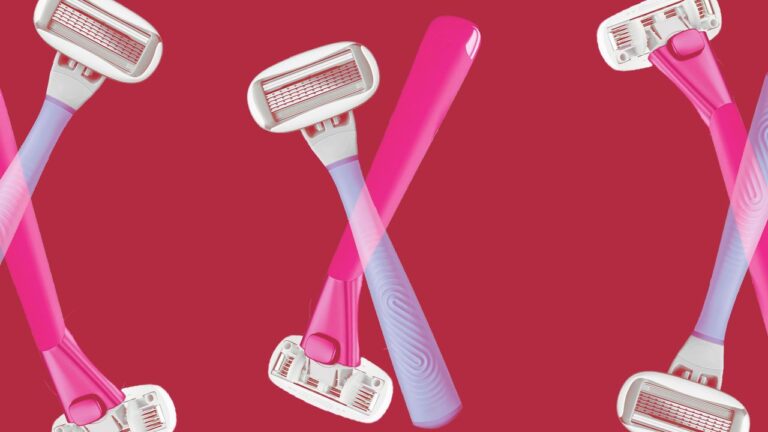
Key takeaways
- Blade spacing matters more than blade count: closer together means fewer nicks and better coverage on irregular hair growth.
- A weighted handle with a non-slip grip lets you shave without added pressure, reducing irritation and improving control.
- Trimmers excel for thick or coarse hair and large areas, while cartridge razors work best for close, quick everyday shaves.
- Replacing dull blades is essential; continuing with a dull blade increases your risk of razor burn, redness, and nicks.
The right razor can transform your shaving experience, minimizing irritation, nicks, and razor burn while delivering consistent results. According to Allure, blade quality, handle design, and how well a razor follows body contours all play a role in finding the right fit for your skin type, hair texture, and grooming routine.
How Blade Design Affects Your Shave
Blade Spacing and Quantity
The mechanics behind an effective razor are more precise than most people realize. According to board-certified dermatologist Erum Ilyas, MD, from King of Prussia, Pennsylvania, multiple blades can achieve a closer shave with fewer strokes. However, spacing matters critically: when blades sit too far apart, the first blade can drag across a hair and cause the skin to bulge slightly, leading to nicks from the following blade. Closer blade positioning helps compensate for the fact that hair grows in irregular patterns, requiring more coverage and fewer passes overall.
Handle Design and Control
The handle itself influences your ability to shave safely. According to board-certified dermatologist Azadeh Shirazi, MD, based in California, a non-slip grip helps you better control your strokes, reducing nicks in the process. A weighted handle is equally important: it allows for a closer shave without requiring you to apply additional pressure, which can lead to irritation. The leading edge of a razor—the part before the blade itself—is designed to gently stretch the skin taut, creating a flat surface for the blade to pass through with minimal damage.
Flexibility for Body Contours
Many shaving challenges arise in curved areas like the knees and bikini line. A flexible razor head can bend gently to follow these contours, ensuring the blades stay flush against skin rather than tugging or missing spots. This feature is especially important for cartridge razors, where multiple blades work in tandem and need to maintain even contact as they curve around the body.
Cartridge Razors for Daily Shaving
According to Allure’s testing, several standout options deliver reliable results for everyday grooming. Flamingo’s 5-Blade Razor won Best of Beauty recognition for its flexible hinge, which adjusts to body contours, and its lubricated strip coated with aloe and shea butter. The weighted handle reduces the need for pressure, while the non-slip grip improves control. Contributing commerce editor Deanna Pai reports that the hinged head makes it easy to shave sensitive areas like the knees and hollow of the armpits without risking nicks.
Gillette’s Venus MoistureGlide Razor combines five sharp blades with built-in moisturizing gel bars containing argan, olive, and avocado oils. The design puts shaving cream and blade in one tool, with lubricating strips that help minimize friction. Senior art director Ingrid Fowler notes that the razor’s blade angle is so well-engineered that cuts are rare, and the widely available replacement heads make this option convenient even while traveling.
For those wanting a subscription model with a design focus, Billie’s Starter Kit includes two stainless steel blades with an aloe rim positioned on a grippy rubber-backed handle available in multiple colors. The magnetic wall mount keeps the razor from rusting or gathering mildew between uses. The brand lets you set refill cycles every four weeks and adjust the timing based on your usage.
Athena Club’s Best of Beauty razor serves sensitive skin with five thoughtfully spaced blades that adapt to every curve. A water-activated hyaluronic serum strip keeps skin lubricated, and the silicone-coated aluminum handle offers a slip-free grip. Best of Beauty editorial assistant Arietta Hallcock reports that the magnetic holder allows the razor to click into place for drying rather than sitting in a wet puddle, preventing rust and extending the tool’s life.
Multi-Purpose Tools for Full-Body Grooming
Two-in-One Razors and Trimmers
The Schick Hydro Silk TrimStyle Razor is designed with a five-blade razor on one end and a built-in trimmer on the other. The razor head follows body contours to catch stray hairs, while the lubricating strips contain shea butter, hyaluronic acid, and plant oils including coconut and avocado. The trimmer end offers four different trim lengths for customization. Senior editor Jesa Marie Calaor reports using the same TrimStyle handle for three years, replacing only the razor head multiple times—a testament to the tool’s durability.
The Fur Trim System functions as what Allure describes as a multi-purpose grooming tool with three interchangeable attachments for precision work from head to toe. The ceramic, rust-resistant blade creates a smooth glide without tugging or irritation. An LED light helps you see clearly in and outside the shower, enabling the closest possible result. Designer Briana Rengifo notes that the compact trimmer head cuts nearly as close as a regular razor while maintaining the versatility of adjustable lengths.
When a Trimmer Is the Better Choice
For large areas of hair, particularly after a shaving break, a cartridge razor can feel inadequate. Meridian’s The Premium Trimmer is designed explicitly for coarse hair and works wet or dry. The ceramic blade is harder than steel and resists wear better, gliding smoothly to prevent irritation and nicks. Protective guide combs add an extra layer of safety. Board-certified dermatologist Mona Gohara, MD, from Connecticut, notes that a trimmer is ideal if you want to maintain some hair rather than shave bare; it works on the bikini area, legs, armpits, and arms.
Specialized Razors for Specific Needs
Single-Blade Safety Razors
The Hanni Weighted Razor represents a different approach: a single exposed blade in a safety razor designed to require zero pressure. Built from 100 percent Swedish stainless metal, it eliminates plastic waste while delivering precise results. The double-sided head lets you tackle more skin in fewer strokes without constantly rinsing. At five inches, the longer handle improves comfort and control when maneuvering over skin. According to Dr. Shirazi, the extended length helps make holding the razor more comfortable. You should replace the blade after four to six uses depending on hair coarseness, and only Hanni’s blade refills fit this model.
Facial Dermaplaning
The Tweezerman Facial Razor is a single-blade dermaplaner for precise facial hair removal and gentle exfoliation. The blade, sized at nearly an inch and a half, removes fine hairs along facial contours in one controlled motion. Unlike many disposable dermaplaning tools, this model features a replaceable blade that should be swapped out every two to three months. Former news editor Nicola Dall’Asen shares that the luxurious weight and sleek handle transform dermaplaning from a chore into a refined experience, and the refillable cartridge eliminates the sustainability impact of single-use plastics.
Maintenance and Long-Term Care
Regardless of which razor you choose, proper maintenance extends its life and improves results. Rinsing blades before each use prevents buildup, which can dull the edge and increase irritation. For cartridge razors, you should replace the cartridge as soon as it starts to dull; continuing with a dull blade increases your risk of razor burn, redness, and nicks. Storing your razor so it can dry fully between uses—rather than sitting in a wet shower puddle—prevents rust and mildew, particularly important for tools without protective storage solutions. Magnetic holders and wall mounts offer a practical alternative to letting razors accumulate moisture.
Finding Your Ideal Shaving Method
The range of options available today means you can find a razor tailored to your specific needs, whether you prioritize moisturizing benefits, multi-purpose functionality, convenience, or specialized features. Cartridge razors dominate the market for a reason: they deliver quick, close shaves and work well on curves. Single-blade options appeal to those wanting less plastic waste. Trimmers excel at handling thick or coarse hair. Facial razors serve a completely different purpose than body shaving. Testing different options can help you break out of the frustration cycle where using the same razor yields inconsistent results, allowing you to find the tool that truly transforms your shaving routine.
Source: Allure
Frequently Asked Questions
What's the best type of razor for sensitive skin?
Multiple blades spaced closely together, a water-activated lubricating strip, and a non-slip grip all help reduce nicks and irritation. Razors like the Athena Club and Flamingo have five blades with hyaluronic serum or aloe-shea butter strips that keep skin hydrated while you shave.
Can I use a trimmer instead of a razor?
Yes, if you have coarse or thick hair, prefer to maintain some hair rather than shave completely, or need to handle large areas after a shaving break. Trimmers like Meridian's Premium model are designed to motor through coarse hair without pulling or irritation. However, they won't give as close a shave as a cartridge or safety razor.
How often should I replace my razor blade?
For cartridge razors, replace the cartridge as soon as it starts to dull. For safety razors like the Hanni, replace the blade after four to six uses depending on your hair coarseness. Continuing to use a dull blade increases your risk of razor burn, redness, and nicks.
