
Key takeaways
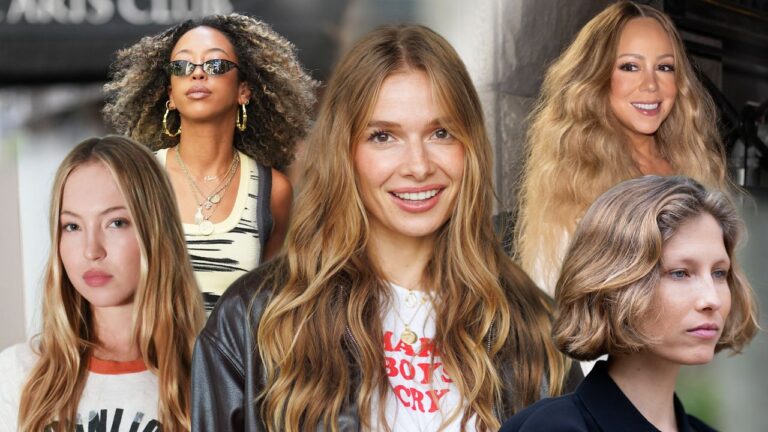
- Balayage is a hand-painted highlighting technique that creates a gradient effect for a more natural, low-maintenance grow-out than traditional highlights.
- The technique works across most hair types and starting colors, from brunettes to lighter hair, by customizing the blonde tone and placement.
- Maintaining balayage requires color-safe products and regular conditioning, with at-home glosses helping extend the time between professional appointments.
Blonde balayage has become a go-to request for anyone seeking lighter hair without the commitment and frequent touch-ups of traditional highlighting. The technique, which relies on hand-painted application for a more customized distribution of lighter pieces, offers flexibility depending on your hair type, existing color, and how much maintenance you’re willing to commit to between salon visits.
Understanding Balayage as a Highlighting Technique
The term “balayage” originally described the practice of hand-painting highlights directly onto the hair without using foil, according to Ian McCabe, colorist and owner of Navy in Washington, DC. In practice, the technique has evolved considerably. Modern colorists may use foils alongside methods such as back-combing or root shadowing to achieve the soft, blended results the technique is known for.
Emaly Baum, colorist and founder of Beauty Supply in New York City, describes balayage as “much softer and diffused” compared to traditional foil highlighting. The method typically creates a sun-kissed appearance, though this doesn’t necessarily mean a subtle effect. “Balayage is simply a technique,” Baum explains, meaning the placement and blending determine whether the result reads as soft, dimensional blonde or a bolder, more dramatic transformation.
The Visual Difference from Traditional Highlights
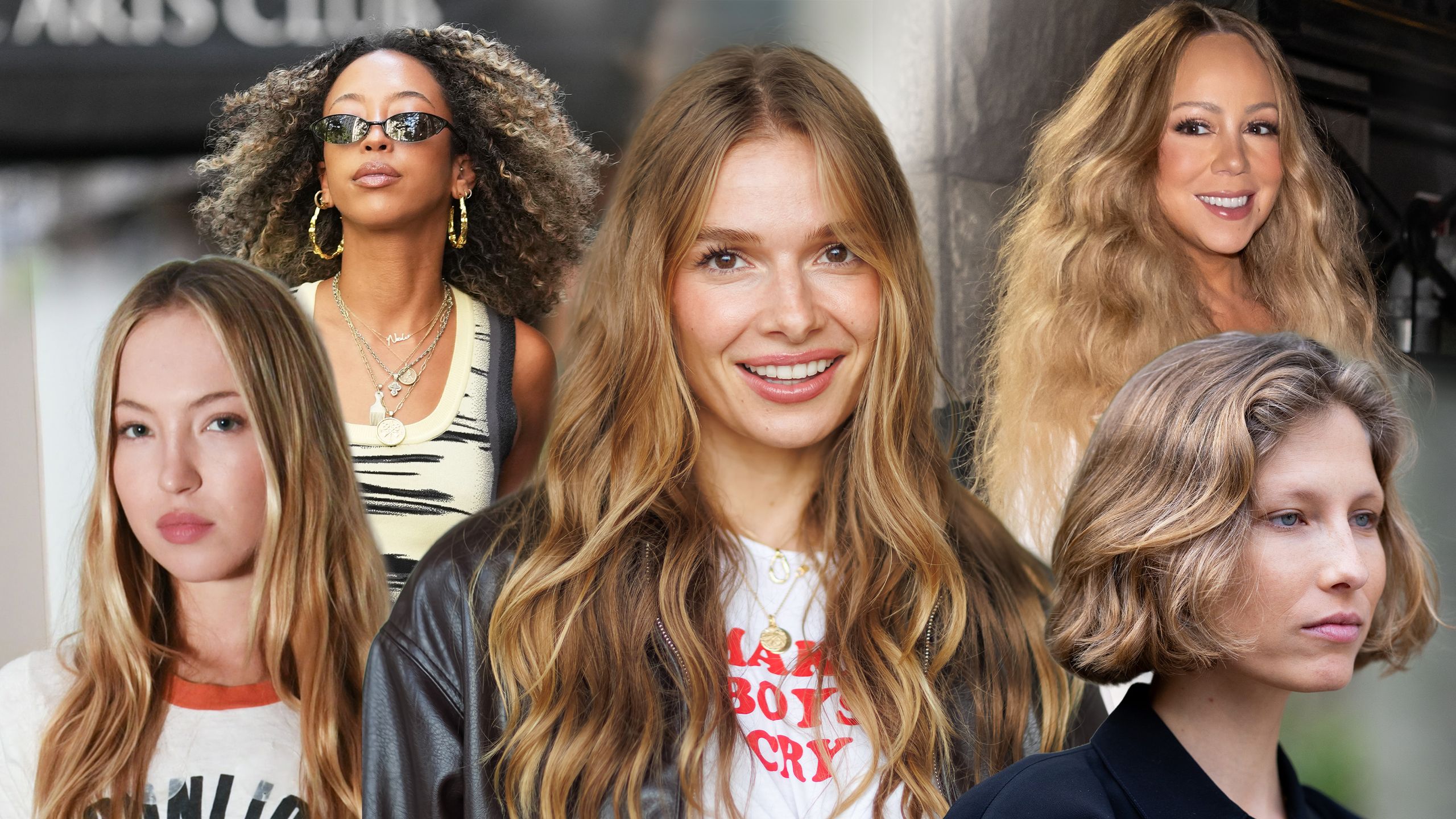
Traditional blonde highlights and balayage highlights achieve distinctly different visual effects. With conventional foil highlights, the blonde is typically evenly light from root to end, creating a uniform brightening across sections. Balayage, by contrast, creates a gradient effect with lighter ends and mid-lengths that transition gradually through the hair for a more seamless grow-out.
This gradient is achieved through strategic placement and blending. A root shadow, which keeps a slightly darker shade near the roots, helps blur the line between your natural hair color and the blonde pieces. The result is hair that appears naturally sun-lightened rather than obviously highlighted, even as it grows out over months.
Balayage Works Across Hair Types
Because balayage is highly customizable, it suits most people, though the approach varies. Paige Van Ryswyk, colorist and hairstylist at Scotch Bonnet Hair Studio in West Palm Beach, Florida, notes that balayage is particularly suited to clients seeking a lived-in, low-maintenance effect.
For Brunettes Starting a Transformation
Those with darker hair can absolutely pursue blonde balayage, but the blonde tone should complement your base color rather than fight it. Someone with a dark base who wants just a few dimensional pieces faces different maintenance demands than someone seeking an overall lighter effect. “If someone has an incredibly dark base color, a platinum blonde balayage will probably not complement them as well as a bronde dimensional look,” Van Ryswyk says.
For Those Already Fairly Light
If you’re starting with lighter hair, balayage can add dimension and movement while maintaining a cohesive overall shade. The technique allows for more density of lighter pieces without the harsh regrowth line of traditional highlights.
The Low-Maintenance Appeal
Regardless of your starting point, one of balayage’s biggest advantages is how long you can stretch between appointments. Van Ryswyk generally recommends booking clients three to six months out, compared with closer to two months for highlights that extend to the scalp. The blur created by balayage’s gradient effect means regrowth is far less noticeable, which is why “the client who is opting for blonde balayage definitely wants an easier grow-out with fewer appointments to maintain their roots,” according to Baum.
Customizing Your Look in the Salon Chair
The consultation is where balayage’s flexibility becomes apparent. Bring reference photos, but use them as starting points for conversation rather than promises. Talk with your colorist about specific details: Do you want blonde concentrated around the face for a framing effect? Would you prefer lighter mid-lengths and ends while keeping your roots mostly natural? Are you after a subtle, sunny effect or a bold contrast between your base and blonde pieces?
There isn’t one correct version of blonde balayage. Only the version that fits your hair, your lifestyle, and your willingness to maintain it matters. For the most low-maintenance result, your colorist can strategically preserve your natural roots. For a brighter aesthetic, they may create more lightness and contrast throughout.
Keeping Your Balayage Fresh at Home
Maintenance matters, even with balayage’s forgiving grow-out. All the colorists consulted by Allure emphasized the importance of a gentle, color-safe shampoo paired with a moisturizing conditioner. Baum recommends the Rōz Foundation Shampoo and Conditioner because “they leave the hair feeling clean and moisturized, but the conditioner is not too heavy.”
Heat Protection and Conditioning
Leave-in treatments are essential if you use heat styling. McCabe recommends the Milbon Color Retaining Primer because it protects hair against UV exposure while defending against heat damage. Burning the hair can increase fading or discoloration, so set your blow-dryer or hot tools to a lower temperature to minimize damage.
For deeper conditioning, McCabe suggests using a mask like the Davines Nounou Mask weekly or every other week to restore moisture and extend the life of your color.
Gloss Treatments for Longevity
An at-home gloss can significantly extend the time between professional appointments. Baum suggests the clear version of Glaze Supergloss to her clients because “it restores movement to the highlights.” For those dealing with brassiness, the Vanilla Lights shade of the same product helps neutralize unwanted warmth while maintaining shine.
What Balayage Isn’t (And Still Can Be)
Many people associate balayage exclusively with muted, barely perceptible blonde—barely there ribbons of color for an ultra-subtle effect. While balayage certainly works beautifully for that aesthetic, it’s equally capable of delivering very blonde results. The difference lies entirely in placement and blending rather than in the technique itself. Whether you want a sun-kissed whisper of color or a dramatic transformation, balayage can be tailored to your vision, which is precisely why the technique has become so popular across different hair types and styling preferences.
Source: Allure
Frequently Asked Questions
What is the difference between balayage and traditional highlights?
Traditional highlights are evenly light from root to end, while balayage creates a gradient effect with darker roots and lighter mid-lengths and ends. This gradient makes balayage regrow more seamlessly and typically requires fewer salon appointments—three to six months compared with two months for traditional highlights.
Can balayage work on dark hair?
Yes, balayage works on dark hair, but the blonde tone should complement your base color. According to colorist Paige Van Ryswyk, those with incredibly dark bases will get better results with a bronde dimensional look than platinum blonde, which won't complement the darker starting color as well.
How do you maintain blonde balayage at home?
Use a gentle, color-safe shampoo and moisturizing conditioner, apply leave-in treatments with heat protection before using hot tools, and use a weekly or bi-weekly deep conditioning mask. An at-home hair gloss, such as Glaze Supergloss, can also extend the time between professional appointments and neutralize brassiness.
