
Key takeaways
- Pressed powder blush delivers 8–12 hours of wear and works on bare skin, over powder, or over foundation with excellent buildability.
- Cream blush and liquid formulas contain skincare ingredients like squalane and peptides, work well on mature skin, but may require reapplication without powder setting.
- Gel, jelly, tint, and stain formulas require careful blending immediately after application to avoid streaking or staining.
- Bouncy blush creates a soft-focus effect and works well on all foundation types, best applied with fingertips for a seamless finish.
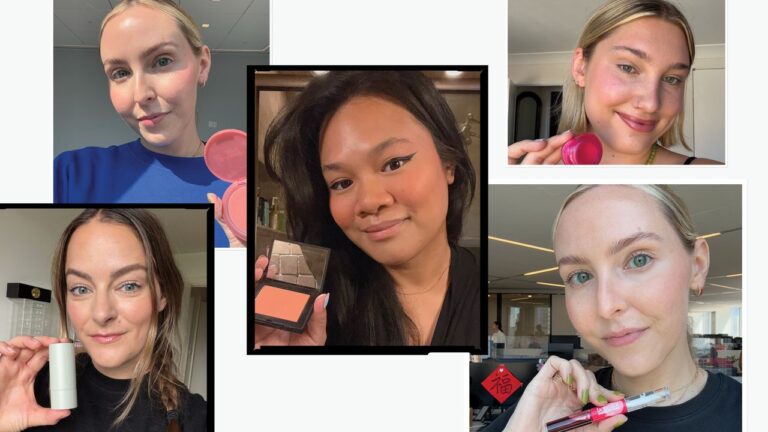
Once upon a time, blush meant one thing: pink pressed powder swirled onto cheeks with a compact brush. Today’s landscape looks entirely different. The aisle now overflows with creams, gels, stains, liquids, and even textures that bounce when touched. To decode which formula suits your skin and desired finish, four leading makeup artists break down every major blush type and reveal the techniques that make each one shine.
The Powder Foundation
Pressed Powder Blush
Pressed powder remains the gold standard for versatility and control. Available in matte, satin, luminous, and shimmer finishes, this formula adapts across nearly every application scenario. Los Angeles makeup artist Allan Avendaño explains: “It works on bare skin, over powder, and over foundation as long as it isn’t really wet and has dried down and set a bit.” The real strength lies in buildability—you can create anything from a barely-there flush to bold editorial looks, with typical wear time between 8 to 12 hours.
Diana Koshurba, who works in southwest Florida and Portland, Oregon, points to Haus Labs Color Fuse Talc-Free Blush as an example of the skin-like finish these formulas deliver. “Pressed powder blush is one of the most beginner-friendly options,” she notes, “and it’s ideal for setting cream or liquid blush underneath for even longer-lasting color.”
Application approach matters significantly. Melissa Hurkman, a Los Angeles makeup artist whose clients include Khloe Kardashian and Shay Mitchell, advises: “Always start with less product than you think you need and build gradually.” Both Hurkman and Koshurba recommend using a fluffy brush—the Sephora Collection Pro Blush Brush #96 or Real Techniques Precision Blush Brush work well. Miami makeup artist Patricia Longo suggests smiling gently, then sweeping color onto the apples of the cheeks and blending upward toward the temples for a lifted effect. Adding a touch across the bridge of the nose creates dimension.
Loose Powder Blush
Far less common, loose powder blush creates a diffused, almost airbrushed effect through its finely milled texture. Hurkman cautions that the lightweight feel is deceptive: “Because the pigment isn’t pressed, a little product goes a long way.” Both Avendaño and Koshurba favor Givenchy Prisme Libre Loose Powder Blush for its blurred finish.
Control proves challenging with these formulas. Avendaño advises applying loose powder blush over foundation that has been set or dried rather than on wet base, to prevent patchy coverage. The unanimous rule: always tap excess powder from your brush before application. Avendaño applies in a swirling motion on the cheeks and temples, while Koshurba prefers gentle circular buffing. If pressed powder blush looks uneven or blotchy, Koshurba suggests layering loose powder on top to diffuse and smooth the finish.
Creams and Gel Textures
Cream Blush
Cream blush has become a modern favorite for its novice-friendly blendability and ability to melt into skin. Available in compacts and sticks, these formulas range from sheer and dewy to more pigmented with satin finishes. Many contain skincare ingredients like squalane and peptides—Patricia Longo’s personal choice, Yensa Super Serum Silk Buildable Cream Blush, exemplifies this trend. Longo notes these formulas especially flatter mature skin because they won’t emphasize texture the way matte powders can.
Versatility extends to application. “I actually prefer using my fingertips because they give you the most control and the warmth of your hands helps the product melt into the skin,” Longo explains. However, Hurkman suggests picking up product with a brush first rather than applying directly from the stick, which “gives me much more control and helps preserve the foundation underneath.” Avendaño uses cream blush for both red carpet and casual looks, but warns that without powder topping, reapplication may be necessary. For an especially natural effect, he recommends underpainting—applying cream blush before foundation so the color peeks through subtly.
Gel and Jelly Blush
Gel and jelly blushes occupy a translucent middle ground with lightweight, cooling textures. Finishes range from dewy to stain-like depending on the formula. Packaged as sticks or balms, they’ve become summer staples, looking gorgeous on bare skin. Avendaño particularly loves Milk Cooling Water Jelly Tint: “Its working time is fast, but it leaves a good pop of color that’s long-lasting. It’s much like a stain, so it really does stay put on bare skin very well.”
These formulas work with liquid and cream foundations, though applying over powder is typically avoided. Application remains flexible—Avendaño uses a dense, domed brush or sponge to stipple, while Hurkman prefers fingertips to gently press product in. Longo notes you can apply a stick directly using small circular motions, then blend with fingertips. Since some gels stay closer to the skin surface than others, reapplication throughout the day may be necessary.
Liquid, Tints and Stains
Liquid Blush
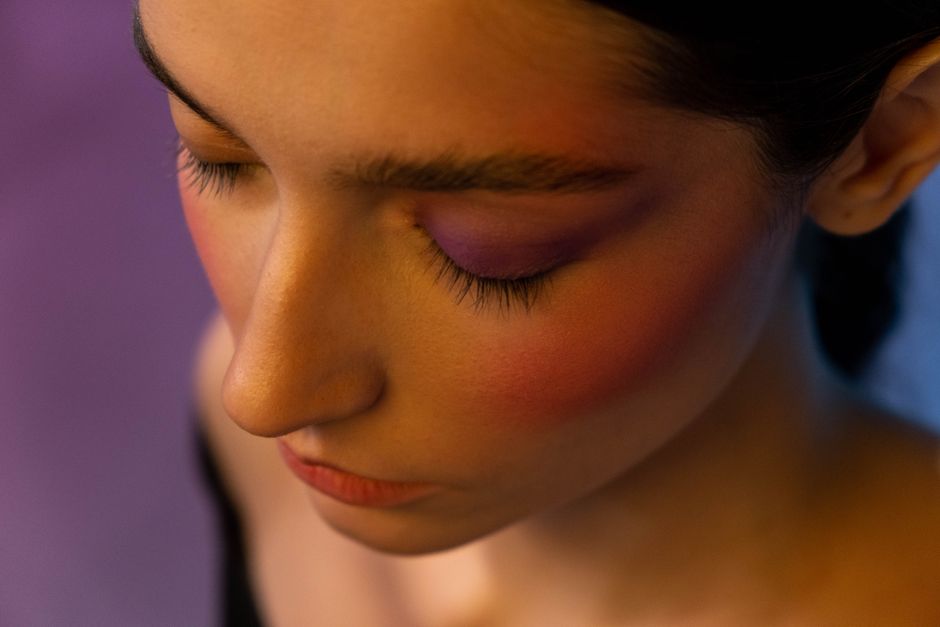
Liquid blush delivers the buildability and luminosity of cream formulas but often with lighter textures and more concentrated color. Koshurba points out that “one or two dots are often enough” due to concentrated pigmentation, despite the weightless feel. The challenge: liquid blush isn’t quite as foolproof as cream. “They require a careful hand,” Longo says. “They can become streaky or blotchy if they’re not blended quickly.” For confident users, Koshurba notes that “liquid blush creates fresh, glowing, healthy-looking skin and works beautifully for both natural everyday makeup and radiant bridal looks.”
The golden rule is immediate blending—don’t dot the other cheek before blending the first, using fingertips, sponge, or brush. “Well-moisturized skin helps liquid blush blend much more evenly,” Longo advises, whether applying on bare skin or atop liquid foundation. Every artist recoiled at applying liquid over powder, but Hurkman notes that if absolutely necessary, “use a tapping motion with a sponge or brush to avoid disturbing the makeup underneath.” To gauge pigmentation, Koshurba suggests placing the product on the back of your hand first.
Cheek Tints and Stains
Tints and stains deliver sheer, long-lasting color that sinks into skin rather than sitting on top, creating a “just-pinched” flush. These especially long-wearing formulas let natural texture and freckles show through, which is why Avendaño recommends using them only on bare skin. “Once they set, they stay put,” Hurkman explains. “They’re lightweight, transfer-resistant, and perfect for all-day wear.” The trade-off: poor blending results in hard-to-undo, blotchy staining.
Speed is critical. Work with one dot per cheek, blending immediately with fingertips or a dense brush. If you want more intensity, Avendaño suggests applying again for a bolder wash of color—it’s easier to add than to subtract.
The Bouncy Blush Moment
The discontinued Maybelline New York Dream Bouncy Blush sparked a trend that refuses to fade. These formulas combine airy mousse feel with a cream-to-powder finish, delivering cushiony, lightweight textures that dry to soft satin or velvety finishes. Avendaño associates bouncy blush with K-beauty trends, loving the soft-focus effect when draped across cheeks and eyes. Longo agrees they’re ideal for glowing, everyday looks.
The hybrid texture works well on bare skin, liquid foundation, and even lightly powdered complexions. Fingertips are the top application tool, as they preserve the cloud-like texture while pressing pigment naturally into skin. “I think using your fingers is possibly the easiest and most convenient way to apply the blush, but you can stipple it out with a dense brush,” Avendaño says, recommending Rare Beauty Soft Pinch Matte Bouncy Blush for its blurred, matte finish. Hurkman also favors dense synthetic brushes, pressing product into skin rather than sweeping—”It creates a more seamless, skin-like finish.”
Building Your Blush Routine
Success with blush depends on matching formula to technique. Pressed and loose powders demand a light hand and fluffy brushes for buildable, diffused coverage. Creams and gels benefit from fingertips or stippling motions that blend while preserving texture. Liquids and stains require speed and precision, applied one cheek at a time with immediate blending. Bouncy formulas sing when pressed gently into skin with fingertips, preserving their signature cushion.
No universally wrong approach exists—what matters is understanding which formula suits your desired finish and whether your skin type needs setting powder, hydration, or bare skin to perform best. With this knowledge, you can build a blush collection that covers everything from barely-there flushes to bold editorial statements.
Frequently Asked Questions
What is the difference between pressed powder and loose powder blush?
Pressed powder blush is versatile and works on bare skin, over powder, and over foundation with 8–12 hours of wear time. Loose powder blush creates a more diffused, airbrushed effect due to its finely milled texture, and requires a lighter hand since the pigment isn't pressed together.
Why do cream and liquid blushes require different application techniques?
Cream blush is forgiving and melts into skin easily, making it beginner-friendly with application options including fingertips, brushes, or sponges. Liquid blush is more concentrated and requires careful, immediate blending to avoid streaking or blotchy application, with one or two dots often being enough.
What makes bouncy blush different from other cream-based formulas?
Bouncy blush combines the airy feel of mousse with a cream-to-powder finish, creating a cushiony, lightweight texture that dries to a soft satin or velvety finish. It works well on bare skin, liquid foundation, and lightly powdered complexions, and is best applied with fingertips to preserve its cloud-like texture.
