
Key takeaways
- Modern chemical sunscreens blend seamlessly into skin without white cast because they absorb UV rays rather than sitting on the surface like mineral formulas.
- La Roche-Posay's Anthelios UVDefense SPF 50 features BEMT, the first new FDA-approved sunscreen filter in more than 20 years, delivering photostable UVA and UVB protection.
- Today's formulas range from lightweight serums and tinted options to convenient sticks, making chemical sunscreen accessible for combination, oily, acne-prone, and sensitive skin types.
- Hybrid formulas combining mineral and chemical filters offer gentler options for sensitive skin while maintaining the lightweight feel and reduced white cast of chemical SPF.
Chemical sunscreens have undergone a remarkable transformation. Gone are the greasy, stinging formulas many recall from years past. Today’s versions offer lightweight, elegant textures that feel so comfortable most wearers forget they are wearing protection at all. This matters significantly, as sunscreen ranks among the most essential steps in any skincare routine.
According to Pearl Rimtepathip, MD, a board-certified dermatologist based in Atlanta, chemical sunscreens work fundamentally differently from mineral versions. Rather than sitting on the skin’s surface like mineral formulas, chemical sunscreens use organic UV filters that absorb ultraviolet radiation and convert it into heat, which the skin then releases. This mechanism produces formulas that feel especially lightweight and work well for everyday application.
The absorbed filter approach carries another substantial advantage. Because chemical filters work within the skin rather than on top of it, they “generally blend in seamlessly without leaving behind a white cast,” Dr. Rimtepathip explains. This benefit alone has shifted many consumers from viewing chemical SPF as a compromise to seeing it as their preferred option.
Today’s market offers chemical sunscreens in nearly every conceivable texture: featherlight fluids, hydrating serums, makeup-gripping primers, and even stick formats. This variety means consumers can select based on their specific skin type, concern, and preference. As Dr. Rimtepathip emphasizes, however, consistency matters most: “the best kind of sunscreen is the one you will use and apply the most.”
A New Standard Emerges
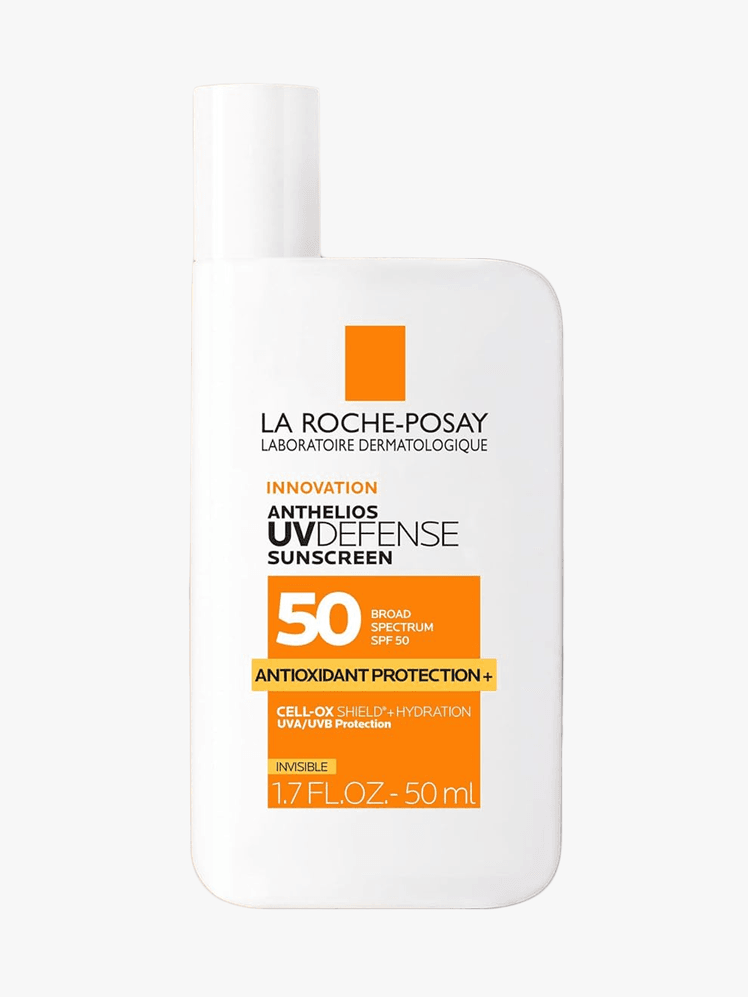
Regulatory approval of new sunscreen filters occurs rarely enough to make headlines when it happens. La Roche-Posay’s Anthelios UVDefense SPF 50 marks a notable milestone as one of the first products to feature 2% bemotrizinol (BEMT), the first new FDA-approved sunscreen filter to receive clearance in more than twenty years. The ingredient provides photostable protection against both UVA and UVB rays—meaning it maintains effectiveness under sun exposure rather than breaking down, a characteristic not all filters share.
The formula augments this innovation with the brand’s Cell-Ox Shield technology, which includes antioxidants to help defend against free radicals. Glycerin, butylene glycol, and dimethicone work to maintain hydration and smoothness, particularly valuable for those with dry skin. According to Jane Yoo, MD, a board-certified dermatologist based in New York City, the sensory experience matches the scientific approach: “It’s silky on the skin with no white residue.”
According to Allure’s testers, the application feeling is as though nothing rests on the skin—the highest compliment for a sunscreen. While the finish does not deliver the same visible dewiness as the brand’s UVAir serum, this actually represents an advantage for those preferring a more natural look. The formula absorbs quickly when the recommended two finger-lengths’ worth is applied, and combination skin users report it functions equally well as a moisturizer, eliminating the need for a separate hydrating product.
Hybrid Formulas and Invisible Textures
Combining Mineral and Chemical Strengths
Revision Skincare’s Intellishade Original SPF 45 operates as a triple threat: moisturizer, skin tint, and sunscreen in one product. The hybrid formula combines mineral UV filters (titanium dioxide and zinc oxide) with chemical ones (octinoxate and octisalate), delivering broad-spectrum protection while maintaining a lighter feel and less visible white cast than traditional all-mineral formulas.
The hydrating and active ingredients address multiple concerns simultaneously. According to Marisa Garshick, MD, a board-certified dermatologist based in New York City, glycerin and squalane deeply hydrate skin, while antioxidants including THD ascorbate (a highly stable vitamin C variant ideal for sensitive skin), vitamin E, and green tea provide environmental defense. The peptide blend makes it particularly suitable for mature skin seeking to address fine lines and uneven tone while protecting against future environmental damage.
According to Allure’s testers, this tinted option proved especially appealing during cooler months, as it delivers a more hydrating sensation and leaves skin with a dewy finish. The tint provides substantial coverage—enough that some users confidently skip foundation when managing breakouts or dark spots. While the initial shade appeared slightly light, it blended seamlessly and adapted across different complexions, surprising and impressing those who tested it.
Invisible Formulas for Maximum Comfort
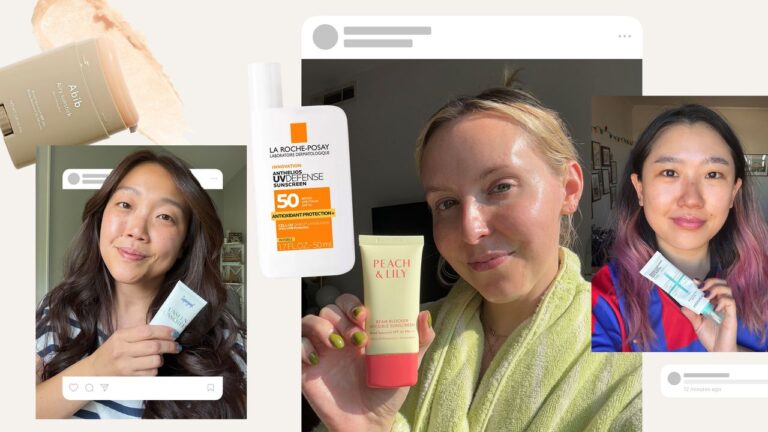
Peach & Lily’s Beam Blocker Invisible Sunscreen SPF 30 earned Allure’s Best of Beauty designation for its genuinely invisible character. The lightweight lotion melts into skin without white cast and feels more akin to a silky moisturizer than sunscreen. Beyond broad-spectrum protection, it incorporates soothing ingredients like ectoin, Centella asiatica, and bisabolol, paired with antioxidants including green tea and ferulic acid. Niacinamide brightens, while ceramides and panthenol reinforce the skin barrier.
The fast-absorbing texture creates an excellent canvas under makeup, allowing foundation to apply smoothly without pilling or patchiness. According to Allure’s senior beauty editor, the formula delivered that satisfying “squish” upon massaging it in, with absorption occurring within seconds. One editor even shared the formula with family members hesitant about daily sunscreen, and they reported feeling no different from a regular facial moisturizer. The hydrating benefits proved substantial enough for dehydrated skin to forgo a standalone moisturizer entirely.
Sunscreen for Those Who Reapply
The practical challenge of reapplying sunscreen once makeup is finished stops many people from maintaining adequate coverage. Abib’s Airy Sunstick SPF 50+ solves this through its wide, curved applicator that conforms to facial contours, allowing application across larger areas without the mess typical of straight-bar sticks. The smooth, primer-like texture minimizes tugging and disruption to existing foundation and blush.
The chemical formula includes silica and silicone powders to absorb excess oil and blur shine—particularly beneficial for oily T-zones. Ectoin and allantoin soothe skin while supporting the moisture barrier, and camellia seed oil plus sunflower seed-derived ingredients provide nourishment so the semi-matte finish avoids appearing chalky. According to Allure’s testing, the curved applicator design made application considerably more pleasant and seamless compared to conventional straight-bar formats. The formula emerges clear immediately, requiring no additional rubbing, though multiple passes per facial area remain necessary for adequate protection with stick products.
Light Tints and Advanced Ingredients
EltaMD’s UV Clear Tinted SPF 46 advances tinted sun protection by incorporating iron oxides, which block visible light—a known melasma trigger particularly for those with medium to deeper skin tones. According to Erin Kil, MD, a board-certified dermatologist based in New York City, EltaMD pioneered the inclusion of iron oxides in tinted sunscreen formulation. Asmi Berry, DO, a board-certified dermatologist based in Glendale, California, notes this approach specifically addresses melasma risk in individuals with deeper complexions.
The hybrid pairing of 9% zinc oxide with 7.5% octinoxate offers gentle mineral benefits alongside the lighter feel and reduced white cast risk of chemical components. Hyaluronic acid boosts hydration, vitamin E defends against free radicals, and lactic acid provides gentle exfoliation. The fragrance-free, dye-free, and oil-free composition suits acne-prone skin particularly well.
According to Allure’s contributors, the sheer tint subtly blurred redness and discoloration without appearing heavy or masking natural skin. While concealer remained necessary for deeper discoloration, the lightweight formula worked well on days requiring only light coverage. The formula transferred minimally to clothing or hands, and those with problematic skin reported no clogging or breakouts.
Serum Sunscreens and Sensitive-Skin Options
Mediheal’s Madecassoside Moisture Sun Serum SPF 50+ PA++++ exemplifies the Korean beauty approach to sun serums—delivering sunscreen protection in a serum-like consistency. Multiple forms of hyaluronic acid draw moisture into skin, while niacinamide regulates oil production and improves uneven tone. The 4-TECA blend combines madecassoside, asiaticoside, madecassic acid, and asiatic acid derived from Centella asiatica, the cica ingredient favored throughout K-beauty for its soothing and barrier-supporting properties.
The slim nozzle allows precise dispensing of the liquid formula, and the texture absorbs rapidly without any heaviness. According to Allure’s testing, the formula proved especially calming, with six varieties of cica working alongside niacinamide to brighten tired morning complexion. For those prone to sensitivity or irritation, Supergoop’s Unseen Sunscreen SPF 50 offers a fragrance-free option free of irritating filters like oxybenzone, making gentler alternatives available for those struggling with chemical SPF. The formula has a texture similar to a velvety makeup primer, smoothing over pores and helping complexion products layer with ease.
Selecting the Right Formula for Your Skin
Choosing a chemical sunscreen ultimately depends on individual needs and preferences. Those with dehydrated skin benefit from hydrating actives like glycerin and hyaluronic acid; combination skin types seek products that hydrate without adding shine; oily and acne-prone skin prefers fragrance-free, oil-free formulas with ingredients like niacinamide. Texture preference significantly influences consistency of use, making the choice between fluid serums, tinted formulas, sticks, and traditional lotions equally important to the formula’s active ingredients themselves. The most effective sunscreen remains the one a person actually applies and reapplies, making ease of use and personal preference essential factors in any decision.
Source: Allure
Frequently Asked Questions
How do chemical sunscreens avoid leaving a white cast?
Chemical sunscreens use organic UV filters that absorb into the skin rather than sitting on the surface. According to dermatologist Pearl Rimtepathip, MD, this absorption allows the filters to "blend in seamlessly without leaving behind a white cast," which distinguishes them from mineral formulas that reflect rays and often leave visible residue.
What makes BEMT a significant breakthrough?
BEMT (bemotrizinol) featured in La Roche-Posay's Anthelios UVDefense SPF 50 is the first new FDA-approved sunscreen filter in more than 20 years. It provides photostable protection against UVA and UVB rays, meaning it resists breakdown under sun exposure—a trait not all filters maintain equally well over time.
What different textures are available in chemical sunscreens?
Modern chemical sunscreens come in multiple formats suited to different needs: lightweight serums like Mediheal's Madecassoside blend like skincare products; tinted formulas like Revision's Intellishade combine coverage with hydration; and sticks like Abib's Airy Sunstick enable convenient reapplication over makeup without disrupting existing foundation or blush.
