
Key takeaways
- Espresso brown's golden undertones create dimension and shine, making it appear more expensive and natural-looking than flat, ashy, or overly dark brunettes.
- The coloring process depends entirely on your starting point, ranging from a simple gloss for natural brunettes to multi-step prefilling for previously lightened hair.
- Natural brunettes typically need glosses every 6 to 8 weeks, while those transitioning from blonde or gray should plan for salon visits every six weeks to manage roots.
- Color-safe products, reduced heat exposure, and at-home color-depositing masks help extend the richness of espresso brown between professional salon visits.
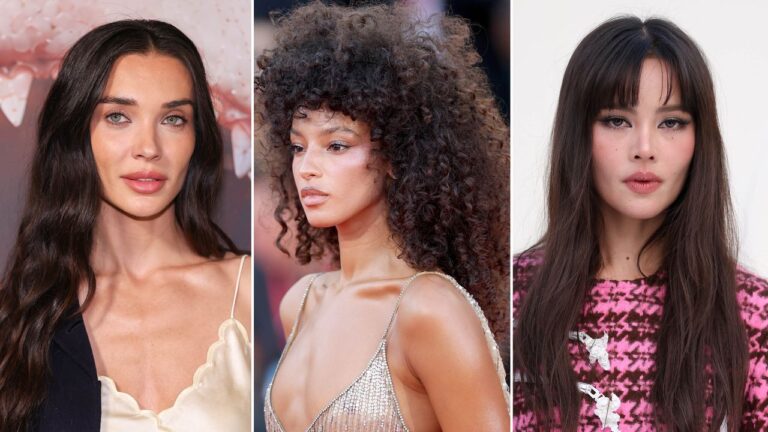
The brunette renaissance continues, but this time with a focus on restoring warmth that was deliberately stripped away for years. Espresso brown represents this shift: a return to golden undertones that create depth, dimension, and that coveted glossy finish. Unlike the cool, ashy browns or nearly black shades that dominated the previous trend cycle, espresso brown announces itself through richness while maintaining the understated elegance that made brunette the perennial standby.
Understanding Espresso Brown and Its Appeal
The driving force behind espresso brown’s rise is a fundamental realization about how brunettes actually photograph and look in different light. “For so long, the goal was to eliminate every bit of warmth from hair, but warmth is what gives brown hair its richness, movement, and that beautiful, reflective touch,” says Nataly Maldonado, colorist and owner of Velvet Palm Studio in Lake Worth Beach, Florida. This philosophy reverses decades of color science that treated warmth as something to neutralize out of brunette hair.
Espresso brown solves a problem many brunettes encountered with previous trends: a dark, flat, severe appearance that photographed as one-dimensional. The golden undertones prevent this by creating subtle contrast. The hair catches light differently depending on the angle and environment, shifting from rich and sultry in indoor settings to warm and multidimensional in sunlight.
The Golden Undertone Advantage
The defining characteristic separating espresso from other deep brunettes is the deliberate presence of golden warmth. Quia Querisma, a colorist in Dallas, describes it as “a very rich and velvety brown with a slightly golden reflection in sunlight.” That reflection isn’t incidental; it serves as the shade’s distinguishing feature. Because espresso brown is so dark, the golden aspect reads as an undertone rather than an obvious tint, which means it flatters a wide range of complexions without requiring custom formulation for every client.
The Dimension Factor
Temur Hamilton, a colorist and owner of Temur in New York City, points to another crucial element: dimension created through intentional shade blending. Espresso brown doesn’t read as a single flat color but rather as multiple tones working in concert. This is particularly valuable for clients who want to change their appearance without committing to something dramatically different. “It looks natural, but elevated,” Hamilton says, capturing the sweet spot between staying true to one’s coloring and achieving a noticeably improved version.
Why Espresso Brown Looks More Expensive
The Science of Shine
Part of espresso brown’s appeal lies in what colorists call the reflective quality, or how light bounces through the hair. Without golden warmth in brunette, light tends to get absorbed, creating a flat, heavy appearance. The warmth in espresso brown acts as a light-catching element, making the hair appear shinier and more lustrous without requiring highlights that would read as obviously placed or striped.
Avoiding the Washed-Out Trap
Natural brunettes who switch to overly cool or ashy browns sometimes find their complexion appearing drained or tired. Espresso brown creates contrast with skin while maintaining enough depth that the overall effect remains sophisticated rather than harsh. Maldonado explains that the combination of depth and golden richness achieves what the client likely wanted when they first considered going darker: “You weren’t born with it, but it looks like you were.”
The Coloring Process: From Your Starting Point to Espresso
Getting to espresso brown requires different approaches depending on the client’s starting point. There’s no one-size-fits-all formula, and attempting to simply layer brown dye over existing color frequently produces disappointing results. Your colorist will assess your hair’s history and structure before recommending a path forward.
Natural Dark Brunettes
The easiest transition belongs to those already working with dark brown hair. Hamilton notes that darker brunettes can achieve espresso brown through the subtlest of additions: strategic highlights or lowlights that enhance the base color without transforming it. The process requires minimal intervention, making it ideal for clients hesitant about significant changes.
For natural brunettes in the level 5 to 6 range, Maldonado recommends keeping things even simpler: a deep brown gloss featuring golden undertones. This enhances the existing pigment while adding shine and vibrancy without actual color change, making it the lowest-commitment option in the espresso brown family.
Nearly Black or Previously Dyed Black Hair
The path diverges significantly for clients with very dark natural hair or those who’ve previously colored their hair black. Nearly black natural hair may require gentle lightening with a clear, permanent dye and level 20 developer before the espresso tone can be properly deposited. The lightening isn’t meant to produce a noticeably lighter result, but rather to create a base receptive to the warm brown pigment.
For previously dyed black hair, the challenge becomes more complex because color cannot lift existing dye. Hamilton’s approach involves lifting the black first, then applying either a demipermanent or permanent espresso brown gloss. Depending on the result, he may add subtle highlights for additional dimension.
Blonde and Gray Hair
This is where the process becomes considerably more involved, requiring what colorists call prefilling or a corrective color approach. Both Maldonado and Querisma stress this step’s importance: blonde hair stripped of its natural pigment through lightening must be “prefilled with gold and/or copper pigments,” essentially rebuilding the underlying richness that was removed. Without this step, an attempt at espresso brown will appear “dull, hollow, or muddy.”
Querisma describes the process as creating a tonal foundation that allows the espresso shade to adhere properly. “Tones of gold, copper, and red must be formulated and applied to the hair before applying the final brown,” she explains. This two-step approach first establishes warmth, then layers the espresso tone. It’s also critical for longevity because previously lightened hair is more porous and therefore loses pigment more readily than virgin hair.
Maintaining Espresso Brown Between Appointments
The Glossing Schedule
The maintenance timeline varies by starting point. Natural brunettes can often stretch between appointments, with Maldonado recommending a gloss or color refresh every six to eight weeks, while Querisma notes that some brunettes manage up to 12 weeks. The exact timing depends on individual factors: starting color, hair porosity, and how well a person’s hair holds pigment, details a colorist can assess.
For anyone transitioning from blonde or gray, expect more frequent visits. “Even with great care, lighter roots will start to appear in about six weeks, so clients will need to schedule regular salon visits if they want to maintain the shade,” Hamilton says.
At-Home Color Protection
The products used in the shower matter as much as professional maintenance. Color-safe shampoo and conditioner help preserve richness, while reducing wash frequency minimizes pigment loss during cleansing. According to Allure, the Nexxus Color Assure Vibrancy Shampoo and Conditioner extend color longevity while addressing damage from the coloring process itself.
Heat represents another threat to color longevity. Maldonado recommends lowering the temperature on hot tools and adjusting shower heat. Those seemingly small changes significantly impact how long espresso brown remains rich and glossy.
Boosting Shine Between Salon Visits
Color-depositing conditioners and masks offer a middle ground between salon appointments. Maldonado recommends the IGK Color Depositing Gloss Mask in Brown Bella for maintaining brunette tones and boosting shine. “It’s a great option between salon visits for keeping the hair looking shiny and vibrant,” she says. She advises consulting with a stylist before using such products, especially for clients with highlights or previously lightened hair.
For clients whose hair has been previously lightened, Hamilton suggests incorporating bond-repair products into their routine. According to Allure, the Ouai Bond Repair Balm won a Best of Beauty Award for making hair look softer and healthier, making it particularly valuable for damaged strands.
Source: Allure
Frequently Asked Questions
How is espresso brown different from other dark brunette shades?
Espresso brown is defined by its combination of deep color with golden undertones that create dimension and shine without looking harsh or flat. The golden warmth gives it a reflective quality in sunlight, preventing the one-dimensional appearance of cool or ashy brunettes.
Can I get espresso brown if I'm naturally blonde or gray?
Yes, but it requires more steps than for natural brunettes. Your colorist will first apply gold, copper, and red tones to prefill your hair and rebuild the richness removed during lightening, then apply the final espresso brown shade to ensure proper adhesion and longevity.
How often do I need to refresh espresso brown hair color?
Natural brunettes typically need a gloss or color refresh every six to eight weeks, though some can stretch to 12 weeks. If you're transitioning from blonde or gray, plan for salon visits every six weeks to address lighter roots that appear even with careful at-home care.
