
Key takeaways
- Heat-based waving is fast, reversible, and safe with proper heat protectant, but requires weekly or bi-weekly reapplication.
- Salt spray air-dry is the cheapest, lowest-risk option working best on wavy hair and costing just $1–$5 per session.
- Professional chemical waves last six to twelve weeks but cause permanent, irreversible damage that cannot be undone.
- Fine hair tolerates salt spray best; thick hair needs higher heat or professional treatment to achieve defined waves.
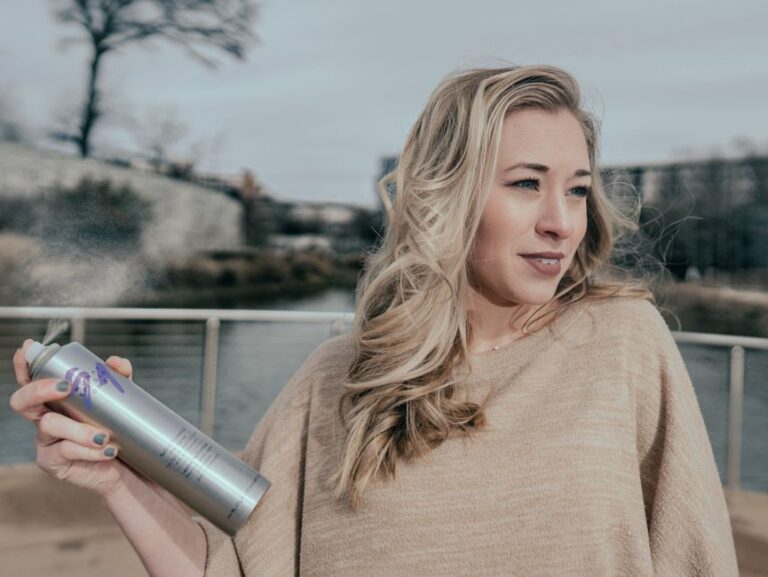
Beach waves convey effortless texture until you calculate the cost in split ends. The three dominant methods for creating them each trade off durability, damage risk, time commitment, and expense. Understanding what each method does to your hair structure lets you pick the trade-off that suits your schedule and current hair condition.
Heat-Based Curling: The Fast Track
A waving iron or barrel curling iron like BaByliss PRO Nano-Titanium or GHD Curve sets a wave pattern into the hair using heat at 350–400°F. The method works on all hair types, delivers visible waves in 20 to 40 minutes, and lasts three to five days before the waves gradually relax.
Minimizing Damage From Heat
Heat damage occurs when the outer cuticle layer opens, loses moisture from inside the hair shaft, and doesn’t fully reseal. Applying a heat protectant product like Olaplex No.9 Bond Protectant Spray or the drugstore alternative Cantu Hydrating Shea Butter Leave-In Conditioner creates a moisture barrier during heat exposure. Let the product dry for 30 seconds before using the iron.
Technique prevents more damage than product choice alone. Clamp a one-inch hair section for 3 to 5 seconds, rotate 180 degrees, and hold for 3 more seconds. Clamping longer than 8 seconds over-dries that section. Work methodically through four quadrants of the head to avoid accidentally re-waving sections that are already styled.
Equipment and Cost Per Session
Entry-level waving irons cost $30–$60; mid-range options like BaByliss PRO or GHD Curve run $80–$150. Heat protectants range from $5 drugstore options to $20 for premium brands. If you buy and own the iron, cost per use is zero. If you use a salon, expect $50–$150 per heat-wave session. Monthly cost for home styling: approximately $0–$50 in product. Monthly cost for salon heat-wave styling: $200–$600 depending on frequency.
Cumulative Damage Over Time
Hair begins to look visibly dry after the second or third consecutive weekly session of heat styling. Once-weekly waving with proper heat protectant shows no visible cumulative damage over a three-month period; twice-weekly styling accelerates split ends and frizz throughout the ends. Washing twice weekly instead of daily extends the life of the waves and reduces overall heat-styling frequency.
Salt Spray and Air-Dry: The Damage-Free Method
This no-heat approach relies on moisture, salt, and gravity to create texture, then sets it overnight through sleeping on the styled hair. The method works best on shoulder-length hair with existing natural wave or curl and delivers soft, lived-in waves that improve as natural scalp oils redistribute down the hair. Waves last five to seven days without requiring additional heat styling.
The Overnight Braid Technique
Spray damp hair from the shower or a water bottle with salt spray like Bumble and bumble Surf Spray ($28) or the budget option Moroccanoil Beach Waves ($15–$18). Divide the hair into two or four loose braids, secure each with a snag-free elastic, and sleep on them overnight. In the morning, unbraid gently starting at the ends and working toward the roots. Separate the waves with your fingers or a wide-tooth comb—do not use a regular brush. Finger waves offer an alternative technique: after applying salt spray to damp hair, scoop sections toward your scalp with three fingers, hold for 30 seconds, release, and repeat down the length of the hair. Sleep on the shaped sections under a silk pillowcase to preserve the wave pattern.
Products and Actual Cost
Salt sprays range from $10 (Cantu Sea Salt Wave Whip) to $35 (Bumble and bumble, Olaplex No.6). A single bottle lasts eight to twelve uses. Snag-free elastics cost $1–$8 each depending on brand. Total cost per salt-spray air-dry session: $1–$5. No heat equipment is needed, and active styling time is just five minutes.
Best Hair Types for This Method
Hair with existing wave or curl pattern holds these waves most clearly and noticeably. Straight hair achieves softer, undone texture but not defined waves. Fine hair shows the braid pattern sharply; thick hair creates fuller, rounder waves. Shoulder-length or longer hair works better; shorter styles tend to relax completely overnight. Blow-drying the braids for 15 minutes before bed tightens the final wave significantly and adds some heat, but still uses far less heat exposure than a waving iron.
Professional Chemical Waves: The Longest-Lasting Option
Semi-permanent wave treatments—including digital perms, alkaline perms, and keratin-infused beach waves—chemically restructure the hair’s protein bonds to hold a wave pattern for six to twelve weeks. A professional stylist applies these treatments in-salon over two to four hours. Cost ranges from $200–$500. These treatments cause permanent, irreversible changes to hair structure that cannot be undone.
Digital Perm vs. Traditional Alkaline Perm
Digital perms use heat during the chemical process, allowing the stylist to create softer, more natural-looking waves compared to traditional alkaline perms. Digital waves last eight to twelve weeks with noticeably less frizz. Traditional alkaline perms, cheaper at $150–$300, deliver tighter, more uniform waves. Both methods use reducing agents like thioglycolic acid to break disulfide bonds inside the hair shaft, then oxidizing solution to reform those bonds in the new wave shape. Keratin-infused beach wave treatments combine keratin smoothing properties with a perm wave action, suiting hair that is both wavy and frizzy, and cost $250–$400.
Damage and Maintenance Requirements
Chemical waves cause immediate, permanent changes to the hair structure. The chemical reaction continues for 48 hours after application, so do not wash the hair for at least three days; water exposure during this window disrupts the newly formed bonds. Afterward, use only sulfate-free shampoo and hydrating conditioner to lock in moisture—waves relax faster without conditioning, and frizz increases significantly. When retouch is needed every eight weeks, overlapping perm solution onto previously treated hair doubles the chemical exposure in that section and causes breakage. Professional retouch is much safer than attempting home reapplication.
Comparing Risk Across All Three Methods
Heat styling is reversible and causes no permanent damage when done correctly with adequate heat protectant; hair recovers moisture and flexibility after a break from heat. Salt spray air-dry carries zero chemical or heat risk, though tight elastics can cause creasing or breakage if worn too long. Professional chemical waves cause irreversible structural damage; hair cannot be repaired short of cutting it off, and recovery requires waiting months for new, untreated hair to grow in. For long-term scalp and hair health, salt spray air-dry is safest, professional chemical waves carry the highest risk, and heat styling falls in the middle when executed with proper technique and heat protection.
Real Monthly Cost Comparison
Salt spray air-dry: $4–$20 monthly in product costs. Heat styling at home with owned equipment: $0–$50 monthly in product costs. Heat styling at a salon: $200–$600 monthly depending on how often you have the service done. Professional chemical wave treatment: $50–$150 monthly including the cost of maintenance products and scheduling retouch appointments every eight weeks.
Which Method Suits Your Hair Type
Fine or thin hair tolerates salt spray air-dry best and sustains the least cumulative damage with the no-heat approach. Heat styling on fine hair requires lower temperatures (300–325°F) and much shorter clamping time (2–3 seconds) to avoid breakage; professional chemical waves risk over-processing fine hair because the chemical reacts faster. Medium-thick hair tolerates all three methods without special precautions. Very thick or coily hair often struggles to hold the shape with salt spray air-dry waves (they relax or tighten unpredictably) and benefits more from professional chemical waves or heat-based waving at higher temperatures (380–400°F) to overcome the hair’s natural structure.
Hair that is already damaged, color-treated, or brittle should avoid professional chemical waves entirely. Heat styling with an excellent heat protectant is a safer second choice. Salt spray air-dry remains the safest option for compromised hair.
Frequently Asked Questions
How long do beach waves last with each method?
Heat-based waves last three to five days; salt spray air-dry waves last five to seven days; professional chemical treatments last six to twelve weeks before requiring retouch.
Which method is safest for already-damaged hair?
Salt spray air-dry is safest because it uses no heat or chemicals. Heat styling with a quality heat protectant is the next safest option. Professional chemical waves are riskiest for damaged hair and should be avoided.
Can I achieve beach waves with straight hair using salt spray?
Yes, but the result will be softer, undone texture rather than defined waves. Salt spray works best on hair with existing wave or curl pattern, which holds the shape more clearly and for longer.
