
Key takeaways
- Estrogen maintains collagen and skin elasticity, with women losing 60 to 70 percent of collagen by the end of menopause transition.
- Topical estrogen creams typically contain 0.3% estriol plus hyaluronic acid, but how much enters the bloodstream remains unknown.
- Clinical trial reviews have failed to demonstrate reproducible improvements in visible aging from these creams, with safety data remaining inconclusive.
- Dermatologists express caution: these products only benefit women in perimenopause experiencing actual estrogen depletion, not younger skin.
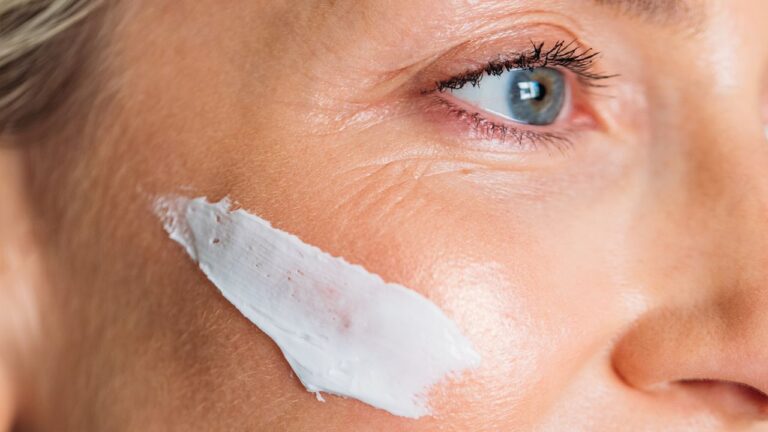
Estrogen facial creams have become increasingly prominent in discussions around beauty and menopause, with telehealth platforms and social media creators championing them as a solution for skin changes that occur during perimenopause. Four leading telehealth startups in the menopause space saw a 490% increase in web traffic from 2023 to 2026, with some companies charging up to $200 per month for hormone therapy products, including topical formulations. Yet beyond the marketing promises, the reality of these products remains far more complicated, with dermatologists expressing significant reservations about both their safety and their proven effectiveness.
How Estrogen Shapes Skin Through Midlife
Estrogen does far more than regulate menstrual cycles. According to Dr. Jacqueline Marecheau, chair of obstetrics and gynecology at Episcopal Health Services in New York City, the hormone influences the heart, bones, brain, and skin. On the skin specifically, estrogen maintains thickness and elasticity, keeping the complexion firm and resilient by stimulating the fibroblasts that produce collagen and helping retain the collagen already present. Dr. Emily Lebowitz, a board-certified dermatologist in New York City, notes that collagen levels begin declining gradually even before menopause arrives. That decline accelerates during perimenopause and postmenopause: by the time the menopausal transition is complete, a woman may have lost 60 to 70 percent of the collagen she had in her youth.
The Physical Changes of Perimenopause
As estrogen and collagen levels drop, the skin loses elasticity, becoming thinner, looser, and more prone to wrinkles. Dryness is another frequent consequence, as the skin’s structure changes and its ability to retain water diminishes. These changes often extend beyond the face. Genitourinary syndrome of menopause (GSM), marked by vaginal thinning, dryness, and discomfort during sex, affects many women in this life stage. Both vaginal tissue and facial skin contain estrogen receptors, meaning hormonal shifts affect both in parallel.
Naming the Pattern
Dr. Corinne Erickson, a board-certified dermatologist in Atlanta, has proposed a framework for recognizing these interconnected symptoms. She coined the term “pilocutaneous syndrome of menopause” (PSM) to describe the hair- and skin-related changes that emerge during perimenopause. By naming the condition, she hopes to help clinicians, even those outside gynecology, identify when a patient’s skin or hair concerns may signal an early perimenopause transition, enabling faster intervention. The condition has been published as a whitepaper and submitted for peer-reviewed publication.
One Woman’s Experience
Laura Pucker, a 48-year-old content creator and digital marketing professional based in Delray Beach, Florida, began noticing dramatic changes to her face and neck upon entering perimenopause in her early 40s. Her skin, previously combination in type, became dry and flaky. She observed sagging around the jawline and crepiness on the neck, changes that progressively worsened as perimenopause advanced.
Understanding Topical Estrogen Formulas
Estrogen facial creams rely on one of two estrogen types: estradiol or estriol. Estradiol is the stronger version, binding more powerfully to estrogen receptors and producing more potent effects. Estriol is the weaker variant. Vaginal estrogen cream, an FDA-approved treatment for vaginal dryness that gynecologists prescribe frequently during menopause, typically contains 0.01% estradiol. Facial estrogen creams, by contrast, are usually formulated with estriol, typically at 0.3%, and combine it with conventional skincare ingredients such as hyaluronic acid. Products available through telemedicine platforms like Musely, Alloy, and Midi contain these formulations, though users obtain them via prescription and compounding pharmacies rather than over-the-counter retail.
The Safety Questions Experts Raise
Two competing concerns surround topical estrogen creams. The first is that absorption of estrogen into the bloodstream could exceed safe levels. The second is that the cream may not absorb any estrogen at all, rendering it an expensive placebo. The evidence base remains thin on both fronts.
Absorption and Risk
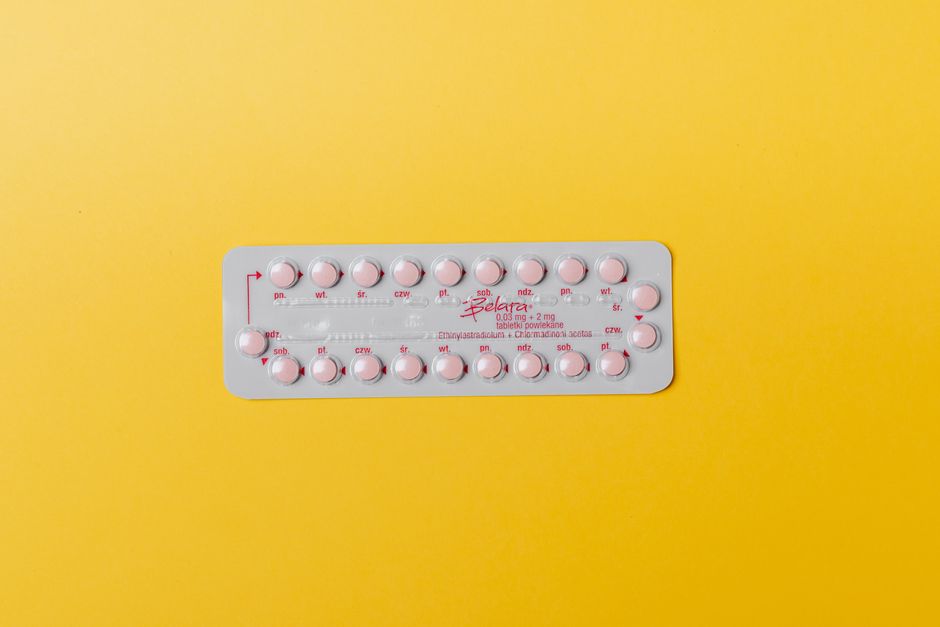
Estrogen therapy, including patches, pills, and vaginal creams, is FDA-approved for managing perimenopause and menopause symptoms. Estrogen cream for treating wrinkles or age-related skin changes, however, is not FDA-approved. The estrogen in these formulas comes through compounding pharmacies, which by law are exempt from pre-market safety testing and FDA approval. According to a 2025 paper published in the Journal of Cosmetic Dermatology, peer-reviewed and FDA-reviewed safety and efficacy data on topical estriol cream for facial applications remain limited.
The question of how much estrogen the body absorbs from facial creams is particularly pressing. Dr. Debra Jaliman, a board-certified cosmetic dermatologist in New York City, emphasizes that facial skin is the thinnest on the body, meaning it absorbs more than skin elsewhere. A facial cream also covers a greater surface area than vaginal cream, despite being a weaker formulation. Kelly Dobos, a cosmetic chemist based in Cincinnati, Ohio, explains that estriol’s molecular weight (300 grams per mole) and lipophilic properties, combined with penetration enhancers that some brands include, suggest the estrogen likely penetrates the skin barrier. Storage matters too: if a cream sits in heat and light or in a poorly sealed container, the active ingredients can degrade.
Without official dosing guidelines, users have no reference point. Applying more cream, using it on thin areas like the eye, or using it for years could unknowingly increase systemic estrogen exposure. Dr. Jaliman receives questions about estrogen cream from several patients weekly but declines to prescribe it due to safety concerns. The broader cancer risk question is nuanced: long-term estrogen therapy is linked to elevated breast cancer risk, though the incidence is rare and comparable to the risk profile of other widely prescribed drugs. Nevertheless, Dr. Marecheau notes, the question of how much absorption is considered safe remains open.
What Prompted a Brand to Reformulate
When Cottonball soft launched in January with a cream called VX.3 containing 0.3% estriol for perimenopause and menopause concerns, the brand appeared to accept the positioning without reservation. After Allure raised questions about systemic absorption risk for this story, the company announced it had reviewed recent findings and decided to reformulate VX.3. The new version will incorporate input from dermatologists, chemists, and gynecologists and “ensure both safety and efficacy” before promotional efforts resume.
The Efficacy Puzzle
Recent clinical trial reviews found most controlled trials failed to demonstrate reproducible improvements in visible aging from topical estrogen, with inconclusive safety data. The researchers advised clinicians to exercise caution when recommending these products. Limited microscopic research suggests estriol may improve collagen synthesis under laboratory conditions, yet whether that translates to visible cosmetic benefit in real life remains unclear.
User experiences diverge sharply. Some report the product as transformative for hydration and skin reactivity. Laura Pucker, the content creator mentioned earlier, tried the product daily for two months and saw no noticeable results, eventually discontinuing it. Monica Molenaar, who accidentally entered menopause at 40 after prophylactic ovary removal and founded Alloy to provide hormone therapy to women in perimenopause, found topical estrogen a game-changing product for her own skin. Yet even some content creators paid to promote estrogen creams report measured results, describing improvements primarily in hydration and reduced reactivity rather than dramatic anti-aging transformation.
What Dermatologists Actually Recommend
Experts hold varied opinions on whether topical estrogen is safe or effective for menopause-related skin changes. Dr. Viktoryia Kazlouskaya, a board-certified dermatologist and hair loss specialist at Dermatology Circle in New York City, acknowledges the theoretical mechanism: estrogen receptors in facial skin could, in principle, be stimulated by topical estriol to increase collagen production. Yet she stresses that robust data does not yet exist to support the practice. Dr. Erickson emphasizes that estrogen creams will only benefit users who are actually experiencing estrogen depletion, making the product inappropriate for younger skin.
Dr. Lebowitz suggests that if the stronger vaginal cream does not cause systemic estrogen absorption, the weaker facial version may not either. “But the academic answer is we still need more studies,” she says. Until that research materializes, dermatologists remain cautious. The hormone has protective effects, reducing osteoporosis and heart disease risk, yet the conversation around hormone therapy is nuanced, and topical estrogen for wrinkles exists in a research gray zone that experts say requires far more evidence before confident recommendations can be made.
Source: Allure
Frequently Asked Questions
What two types of estrogen are used in skin creams?
Estradiol (the stronger version) and estriol (the weaker version). Facial creams typically use estriol at 0.3%, while FDA-approved vaginal cream contains 0.01% estradiol.
How much estrogen is actually absorbed from these creams?
The amount of systemic absorption is unknown. Facial skin is the thinnest on the body and absorbs more than other areas, and creams cover a larger surface area than vaginal applications, yet official dosing guidelines do not exist.
What do studies show about whether these creams actually work?
Recent clinical trial reviews found most failed to demonstrate reproducible improvements in visible aging, with inconclusive safety data. Limited microscopic studies suggest potential collagen synthesis, but real-world cosmetic improvements remain unclear.
