
Key takeaways
- Fall 2026 hair trends prioritize ease and comfort, with boyfriend bobs, cloud bangs, and soft shags designed to air-dry and style without daily effort.
- Dimensional, warm color palettes—from dark chocolate and maple cinnamon to mushroom blonde—replace flat tones and demand strategic placement and glazing for depth.
- Layering and texture are fundamental to modern cuts, with feathered edges and internal movement creating softness regardless of whether you choose bob, shag, or pixie length.
- Professional consultation is essential for color transitions, especially warm reds and pastel pinks that may require multiple appointments and specific base preparation.
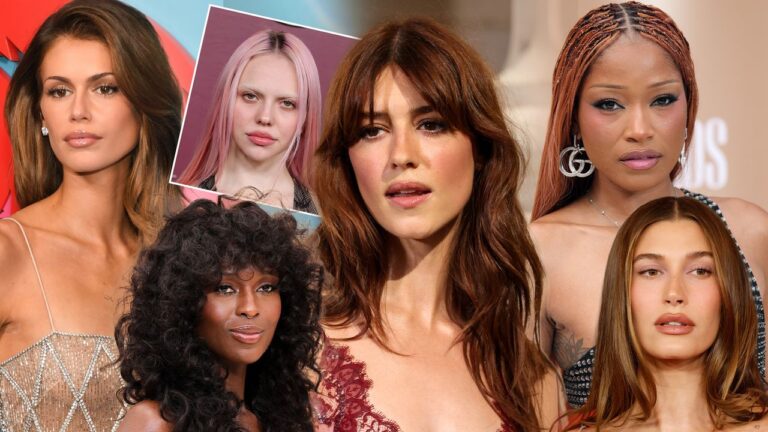
Fall invites a retreat into simpler living, and this season’s hair trends reflect that desire completely. The cuts and colors dominating 2026 reject high-maintenance styling in favor of looks that deliver polish with minimal effort. Whether drawn to textured bobs, wispy bangs, or dimensional warm tones, this fall offers hair that reads as effortlessly sophisticated.
The Low-Maintenance Aesthetic Takes Over
The seasonal shift toward comfort extends directly to the salon chair. Dimitris Giannetos, a Los Angeles-based hairstylist and L’Oréal Paris ambassador, has witnessed the change firsthand. “Everyone is moving away from hair that looks overstyled,” he observes. “People want cuts they can air-dry, tuck behind their ears, or wear with a little bend from sleeping on it.” This signals a departure from styles demanding daily blow-dry sessions or precise styling rituals. Instead, the trending cuts of fall 2026 work with your natural hair texture rather than against it.
Textured Bobs and Dimensional Cuts
The Boyfriend Bob Gains Ground
Taking its philosophy from oversized sweaters and well-worn leather jackets, the boyfriend bob delivers effortless style without fuss. Falling between the chin and collarbone, the cut features soft ends and movement built into the structure from the start. The technique matters: Giannetos softens the interior with invisible layers or subtle texturizing, a method that creates genuine dimension and prevents the cut from appearing flat or blunt.
Wendy Iles, founder of Iles Formula and a New York-based hairstylist, spotted this cut recently on Charlize Theron and describes it as “self-styling.” The defining quality is that it doesn’t demand intervention. The geometric layers mean the hair naturally falls into place, requiring minimal effort to look intentionally polished. The result reads as “just running errands in my The Row flats” rather than “spent two hours getting ready.”
Cloud Bangs: Testing Bangs Without Full Commitment
Bangs represent a significant styling commitment—typically six to eight weeks of wrestling with a cut that may or may not cooperate. Fall, however, presents the ideal season to experiment. Eric Marshall Wright, owner of Eric Marshall Salon in Nashville, explains the reasoning: “They can devastate you in the summer as the humidity makes them fussy.” Cooler fall air is far more forgiving.
Cloud bangs offer the visual payoff of traditional bangs without the maintenance burden. Giannetos defines them as “wispy pieces that gently float across the forehead and blend into the rest of the haircut.” These aren’t thick, heavy fringes requiring blow-dry precision. They work equally well dancing across the brows or swept to the side, and they integrate seamlessly rather than sitting as a separate element.
When requesting cloud bangs, ask for soft, wispy, curtain-inspired pieces with feathered edges that blend into face-framing layers. Giannetos emphasizes the key terms: “light, airy, and movement. You want them to disappear into the rest of your haircut while still drawing attention to your eyes.”
Face-Framing Layers for Instant Transformation
A well-executed layer cut can instantly refresh hair that’s become limp or tired-looking. Rikke Gajda, a Los Angeles hairstylist, calls face-framing layers “one of the easiest ways to make long hair feel fresh.” The effect is immediate: suddenly the style reads as polished and intentional rather than neglected.
Owen Gould, a Los Angeles-based hairstylist and Moroccanoil global ambassador, articulates the precise construction: “Ask for heavily layered hair that starts short, framing right around the cheekbones, then cascades longer and longer down to the shoulders. It’s not choppy. It’s blended and soft, with tons of internal movement.” The technique is critical—Gould uses point cutting and razor work through the interior layers, cutting the face-framing pieces at a diagonal so they naturally curve inward toward the chin and float with movement.
Soft Shags and Cropped Styles
The Modern Soft Shag: Romance Over Rock and Roll
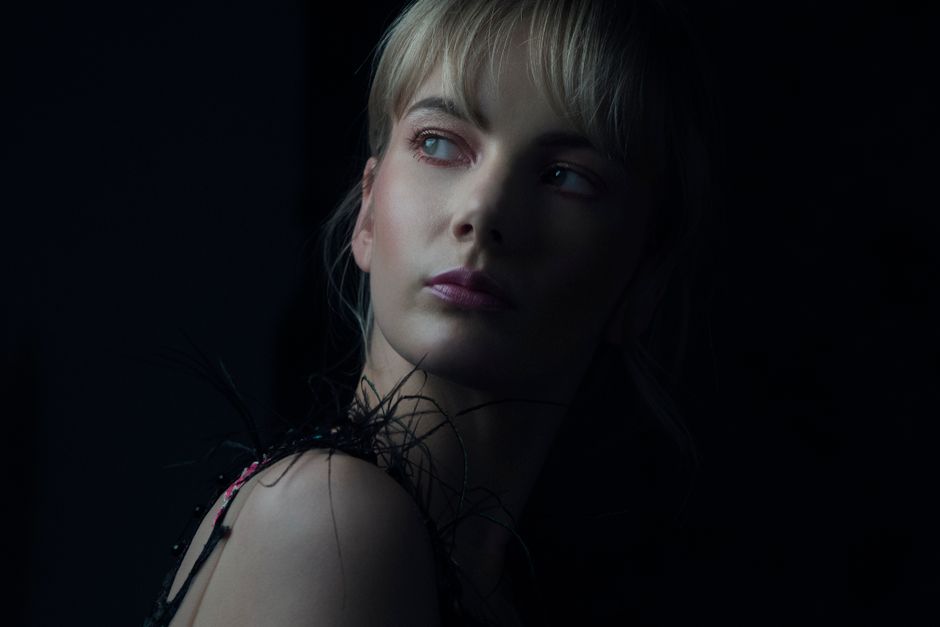
Rock-and-roll shags defined an era, but fall 2026 signals a move toward gentler interpretations. The choppy disconnection and hard edges give way to something more romantic and polished. Leo Izquierdo, a New York City-based hairstylist and cofounder of IGK Hair, defines the modern soft shag as featuring “diffused layers, wispy curtain fringe, and feathered movement throughout. Unlike the edgy versions from previous years, this one feels polished, airy, and romantic.”
Ashley Streicher, a Los Angeles-based hairstylist and R+Co Collective member, explains the construction: keep the layers on the longer side without adding additional shaggy or shorter pieces, creating softness rather than disconnection. Izquierdo recommends requesting softly disconnected layers, a blended curtain fringe, and soft, subtle texture throughout. The result is wearable and elegant rather than attention-seeking.
The Pixie Shag: Short, Undone, and Versatile
The pixie shag occupies the space between a classic pixie and longer, fussier cuts. Travis Speck, a hairstylist at Suite Caroline salon in New York City, describes it as “a choppy, DIY-looking cut. As if you got bored and decided to tango with your kitchen shears. The imperfections are what make it perfect.” Emma Chamberlain exemplified the style, showing how it transitions seamlessly from tucked under a winter hat to red-carpet ready.
The cut works best on thicker hair with natural texture, which achieves the shaggy effect most easily. Those with straight hair can texturize with product and tousle with fingers, building texture rather than relying on the cut alone to create movement. The styling philosophy remains consistent: the more undone, the better.
Rich and Warm Brown Tones
Fall color trends move away from flat, uniform shades toward rich, multidimensional tones that reflect light and suggest luxury. Dark chocolate represents the most indulgent interpretation of brown. Richy Kandasamy, a New York City-based hairstylist and vice president of color development for R+Co, frames the approach: “It’s about creating that richness, reflection, and incredible shine. Ask your colorist for a rich, dimensional brunette that reflects light and looks glossy, not flat or overly dark.”
The ideal shade transitions smoothly from deep chocolate to warm walnut, creating movement and dimension rather than reading as a single, flat tone. This isn’t achieved in one step; it requires strategic placement and blending to create the sophisticated effect that makes the shade feel indulgent rather than heavy.
Warm Reds and Dimensional Copper
Warm reds continue their rise in popularity, and for good reason. Chase Kusero, a Los Angeles-based hairstylist and cofounder of IGK Hair, explains the appeal: “It’s rich and warm, not bright orange or fire engine red. Warm reds continue to gain popularity because they instantly brighten the complexion while still feeling seasonal.”
Jeremiah Cook, a New York City-based colorist at Adel Atelier Salon and L’Oréal educator, recommends requesting soft, lived-in cinnamon copper rather than vibrant reds. “Let your stylist know you’d like warmth with a natural dimension that grows out gracefully,” he advises. A technical consideration: depending on starting hair level, strands may need gentle lifting before depositing customized copper, gold, and cinnamon tones. Ashy blondes and those with naturally lighter hair have an easier time achieving this dimensional warmth in fewer appointments.
Sophisticated Blonde Palette
Mushroom Blonde: The Low-Maintenance Neutral
Mushroom blonde—toasted beige with the warmth of morning chai latte—rejects high-maintenance brightness in favor of muted sophistication. Jeremiah Cook describes its appeal: “Mushroom blonde offers sophistication while requiring less upkeep, making it ideal for those who want beautiful color without frequent appointments.” The seamless grow-out is a major selling point; roots blend naturally rather than creating harsh demarcation lines that demand regular touch-ups.
Jenna Perry, a New York City-based colorist and R+Co Collective member, expands on the approach: “This shade is perfect for blondes wanting a little more depth or brunettes looking to lighten without becoming fully blonde.” She recommends requesting a neutral, dimensional mushroom blonde with blended roots and soft ribbons of beige and taupe, finished with a creamy beige gloss to eliminate harsh lines.
Amber Highlights: Golden Dimension Without Full Commitment
For those preferring dimension over a full color change, amber highlights deliver buttery golden tones that catch the light beautifully. Leslie Shores, a Nashville-based colorist, recommends asking your colorist to balayage large golden pieces mainly in the front of the hair to match the volume and layers. These pieces can be foiled or painted on, depending on the stylist’s preference. The result should read as soft, natural ribbons of caramel rather than bold stripes. Adding a gloss afterward strengthens the final effect.
The Statement Option: Bubblegum Pink
Not everyone gravitates toward traditional fall palettes. For those seeking something cheekier but still gentle, pastel bubblegum pink—fuchsia’s serene older sister—delivers color without shock value. Renée Valerie Radoiu, a New York City-based colorist and vice president of R+Co color education, frames the aesthetic: “It feels airy rather than bold. Not neon or overly vibrant. Imagine the color of freshly unwrapped bubblegum blended with a touch of cream.”
Request a sheer, glossy pink rather than a highly saturated fashion pink. The technical requirement is significant: you’ll need to start with an even blonde base or have hair lightened first, a process potentially requiring multiple appointments. “Rather than applying one solid color, I like to build subtle variations in tone so the color has movement, depth, and dimension,” Radoiu explains. This approach ensures the bubblegum shade has dimension and visual interest rather than reading as flat or one-dimensional.
Frequently Asked Questions
What makes the boyfriend bob different from a traditional bob?
The boyfriend bob features soft ends, invisible interior layers, and subtle texturizing that allows it to be air-dried or tucked behind the ears without daily styling. Its length falls between the chin and collarbone, and the layering creates an effortless, undone appearance that reads as polished without looking overstyled.
Why is fall the best time to try cloud bangs?
Fall offers the ideal conditions for testing cloud bangs because cooler, drier air is more forgiving than summer humidity, which makes bangs fussy and difficult to style. Cloud bangs are lightweight, wispy pieces that blend into the rest of the haircut and work equally well swept to the side or across the brows, requiring minimal daily maintenance.
How many appointments does bubblegum pink hair typically require?
Achieving bubblegum pink typically requires multiple appointments because you must start with an even blonde base or have your hair lightened before the pink tone can be applied. The colorist builds subtle variations in tone rather than applying a single solid color to create movement, depth, and dimension in the final shade.
