
Key takeaways
- Crown braids returned to mainstream fashion in 2026 with appearances from Zendaya and Olivia Rodrigo, styled with intentional texture and movement rather than flawless precision.
- The modern crown braid differs from its 2010s predecessor by embracing natural texture, face-framing pieces, and a lived-in finish instead of symmetrical perfection.
- Creating the look requires texturizing spray or dry shampoo for grip, pancaking braids for fullness, and deliberately loosening face-framing pieces for an effortless final result.
- The style adapts to all hair types through customizations: ribbons for short hair, pinching for fine hair, lightweight oils for thick hair, and styling cream to control flyaways.
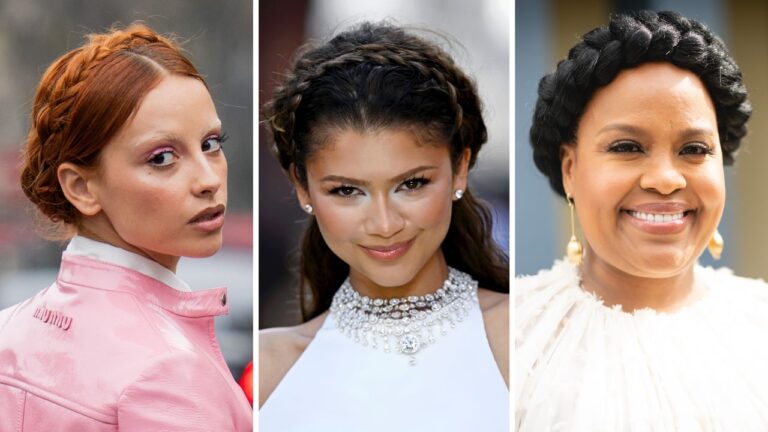
The crown braid, once relegated to Pinterest boards and music festival fashion, has quietly reclaimed its place in celebrity hairstyling. What began as momentum over the past year culminated in early July when Zendaya debuted not one but two modern interpretations of the style while promoting The Odyssey, both crafted by hairstylist Coree Moreno. Days later, Olivia Rodrigo sealed the revival with her own crown braid at Lollapalooza, styled by Owen Gould with a deliberately casual finish. The message was clear: braids that once defined the 2010s festival-fashion era have evolved beyond recognition.
Crown Braids Make Their Mainstream Return
Nearly a decade of dormancy preceded this moment. When crown braids faded from favor, they were replaced by slicked buns, retro headbands, and the occasional beehive—styles that dominated the 2020s without a crown braid in sight. But the trajectory has shifted. Red carpets and street-style photography now showcase the braid regularly, appearing in both classical renditions and entirely reimagined forms. The resurgence marks a departure from the symmetrical, flawlessly executed “milkmaid braid” that characterized the previous wave.
Celebrity Sightings Spark the Revival
Zendaya’s two takes on the crown braid—distinct approaches that moved beyond a single interpretation—demonstrated the style’s flexibility for high-fashion moments. Coree Moreno’s execution allowed the braids to pair seamlessly with Schiaparelli couture, proving that crown braids no longer feel confined to bohemian aesthetics. Olivia Rodrigo’s version at Lollapalooza took a different route entirely: styled by Owen Gould with what hairstylists call a “glossy” finish, her braids appeared alongside vintage band tees, signaling that the look transcends a single aesthetic category. The parallel appearances from two major artists within weeks signaled a genuine shift rather than an isolated trend.
Why Effortless Beauty Is Replacing Maximum Polish
Aaron Grenia, hairstylist and cofounder of IGK Hair Care, attributes the return to a broader aesthetic shift. “Crown braids are coming back because we’re seeing a shift away from overly polished, high-maintenance styles toward looks that feel romantic, effortless, and a little nostalgic,” he explains. “What makes it feel fresh this time is the styling.” This observation aligns with observable trends in celebrity beauty: the era of sculpted, lacquered perfection has given way to intentional imperfection.
Hayley Heckmann, a Los Angeles–based hairstylist, reinforces this philosophy. “We’re seeing so many softer, more romantic hairstyles come back right now. Crown braids have a pretty, feminine feel, but the way they’re being worn now feels more effortless and cool.” She notes a critical detail: seeing the style on celebrities who don’t typically embrace overtly bohemian aesthetics instantly revitalizes its cultural perception. When Zendaya—not known for festival fashion—wears the style with couture, it recontextualizes crown braids as fundamentally versatile.
How Today’s Crown Braid Differs From Its 2010s Predecessor
The distinction between then and now lies in execution philosophy. The original wave celebrated flawless, symmetrical braiding—every strand in place, every weave perfect, mimicking the structured romanticism of Renaissance imagery. The 2026 version abandons this precision. Natural texture, deliberate face-framing pieces, and a visibly lived-in finish now define the aesthetic. These details strip away the costume-like quality that once shadowed the style, replacing it with something that reads as contemporary and intentional rather than historically themed.
This evolution allows crown braids to coexist across vastly different style contexts. Rodrigo’s Lollapalooza look paired her braids with band merchandise and casual styling; Zendaya’s iterations elevated them into red-carpet formality. Neither feels incongruous. The shift from symmetry to texture is what enables this flexibility—asymmetry feels modern, while perfection feels period-specific.
Step-by-Step: Creating the Two-Braid Foundation
Prep Work and Texture Creation
The most common error, according to Grenia, is beginning with freshly washed, silky hair. “Hair with a bit of grip is much easier to work with,” he notes. This foundational insight reverses conventional wisdom about cleanliness before styling. The solution involves prepping with a texturizing product. Grenia recommends either IGK Beach Club Touchable Texture Spray or Not Your Mother’s Beach Babe Texturizing Dry Shampoo, both designed to create grip and surface texture without visible residue.
With texture established, create two low braids positioned behind each ear. This placement is intentional—it leaves the upper face unframed and keeps the braids below the widest point of the head, allowing them to wrap naturally around the crown. Secure each braid with clear elastics, a detail that matters: clear elastics disappear visually, allowing the braid to read as continuous rather than segmented.
Securing and the Pancaking Technique
After braiding, the next step involves “pancaking”—carefully pulling the braid apart to create fullness and texture. This technique intentionally roughens the braid’s appearance; it’s not a correction of a failed braid, but a deliberate styling step. Pull gently on alternating sides of each braid section, working from top to bottom, to achieve a noticeably fuller width without completely unraveling the weave.
Wrap each pancaked braid across the crown, positioning them to meet at the opposite side of the head. Pin everything into place with bobby pins inserted horizontally (not vertically) to ensure security. Finish with a flexible hairspray—Tresemmé Workable Hairspray or JVN FlexHold Strengthening Hairspray both allow for minor repositioning without stiffness. Finally, loosen several small pieces around the face deliberately, creating soft movement and removing any pulled-back severity.
Alternative Techniques for Different Braiding Preferences
Hayley Heckmann employs an entirely different method that centers a single Dutch braid wrapping around the head rather than two separate braids joined at the crown. Her philosophy remains identical to Grenia’s: embrace intentional imperfection, pancake for fullness, and resist smoothing every flyaway. “You don’t want it to feel too perfect or tight,” she advises. “Even a little volume or imperfection makes it feel cooler and more modern.”
Sunnie Brook, another Los Angeles–based hairstylist, takes yet another approach entirely. She sections and separates hair just behind each ear to create four distinct braids—two in front, two in back. After pancaking all four for volume, she criss-crosses the front braids across the crown, securing them with bobby pins, then criss-crosses the back braids to follow the scooped contour of the hairline. The result is a complete circle of braids that creates a fuller, more encompassing crown effect.
Adapting the Crown Braid for Every Hair Type
Sunnie Brook addresses the concern that crown braids are only accessible to certain hair types. For short or heavily layered hair, weaving a ribbon or scarf into each braid creates the visual illusion of longer, fuller plaits while helping shorter layers remain secured throughout the day. Those with fine hair can nearly double the apparent braid thickness by pinching and pulling each braid section apart gently before pinning everything into place, using the pancaking technique as a multiplier of visual volume.
Thick or very long hair requires different handling. Brook actually recommends avoiding volumizing sprays entirely—they can make dense hair feel unnecessarily bulky and weighed down. Instead, apply a lightweight oil like Biolage All-In-One Multi-Benefit Oil through the lengths for shine and frizz control. For those whose hair produces frequent flyaways while braiding, working a small amount of Rōz Styling Cream through each section as you braid helps each piece hold its shape and stay in place.
One final detail matters across all hair types: leaving approximately one inch of hair around the entire hairline unbraided initially, then tucking those pieces into the braid at the very end, softens the overall effect and eliminates the severe, pulled-back aesthetic that can date the style. This last-second adjustment transforms a structured style into something that feels naturally romantic rather than deliberately styled.
Frequently Asked Questions
Why are crown braids making a comeback in 2026?
Crown braids are returning because of a broader shift away from overly polished styles toward romantic, effortless looks. Celebrity appearances from Zendaya (styled by Coree Moreno) and Olivia Rodrigo (styled by Owen Gould) in early July helped spark the revival, and the modern version feels contemporary due to its emphasis on natural texture and imperfection rather than flawless symmetry.
What products should you use to prepare hair for a crown braid?
Start with a texturizing product to create grip in freshly washed, slippery hair. Aaron Grenia recommends either IGK Beach Club Touchable Texture Spray or Not Your Mother's Beach Babe Texturizing Dry Shampoo. For finishing, use a flexible hairspray like Tresemmé Workable Hairspray or JVN FlexHold Strengthening Hairspray to hold the style without rigidity.
What is pancaking and why is it important in the crown braid technique?
Pancaking involves gently pulling a completed braid apart to create fullness and a lived-in, textured appearance. This deliberate technique is essential to the modern crown braid aesthetic because it removes the polished, symmetrical look of previous versions and replaces it with natural-feeling volume and movement.
