
Key takeaways
- Female pattern hair loss, the most common type in women, combines genetic predisposition with DHT sensitivity and can be triggered or worsened by iron deficiency, low vitamin D, and hormonal changes.
- Effective treatment requires a three-part approach: oral medications (supplements, spironolactone, oral minoxidil), topical treatments (Rogaine foam, medicinal shampoos), and red light therapy devices—all used daily without interruption.
- Results appear gradually over months with new growth visible around the hairline and temples; stopping any component causes shedding to return, making this a permanent lifestyle commitment rather than a temporary fix.
- Hair restoration works like gardening—consistent watering and fertilizing (the daily routine) must continue indefinitely to maintain the growth you rebuild, as female pattern hair loss is managed, not cured.
Androgenetic alopecia—the medical name for female pattern hair loss—is the most common type of hair loss affecting women, according to the American Academy of Dermatology. The condition arrives quietly. More hair collects in shower drains and on pillows. Your part grows wider. What initially feels temporary persists for months until it becomes impossible to ignore. By the time visible thinning is undeniable, the condition is already well established in your hair growth cycle.
The root driver is genetic predisposition combined with hormonal sensitivity to DHT (dihydrotestosterone), a hormone that shrinks hair follicles in susceptible individuals. Genetics alone, however, does not determine outcomes. Nutritional deficiencies, particularly in iron and vitamin D, accelerate shedding. Stress, hormonal fluctuations, and thyroid dysfunction contribute additional weight. Managing female pattern hair loss requires addressing multiple factors simultaneously through a coordinated approach: oral medications, topical treatments, supplements, and dermatological devices working in concert.
Understanding Female Pattern Hair Loss in Women
Female pattern baldness differs from alopecia areata, which is autoimmune and causes patchy hair loss, and from frontal fibrosing alopecia, a rarer form emerging during menopause. Androgenetic alopecia causes gradual thinning across the scalp as DHT miniaturizes susceptible follicles over time. The presentation typically includes widening of the central part and overall density loss rather than complete baldness in a concentrated area.
Nutritional deficiencies frequently coexist with hair loss. Low vitamin D or insufficient iron stores both accelerate shedding and limit the body’s ability to support new hair growth. Hormonal changes—from stress responses, reproductive cycles, or thyroid imbalances—compound the genetic predisposition. Effective treatment requires identifying and addressing these overlapping causes rather than treating them in isolation.
The Three-Part Treatment Protocol
Oral Medications and Supplements
Treatment begins with bloodwork to reveal nutritional gaps. If testing shows vitamin D or iron deficiency, both available without prescription, daily supplementation becomes foundational. Vitamin D3 and iron supplements address metabolic deficits that impede hair recovery. These are taken consistently every morning alongside other oral medications.
Spironolactone 50mg daily forms the hormonal intervention layer. This prescription medication blocks androgen hormones, specifically preventing DHT from miniaturizing hair follicles. Dermatologists specializing in hair loss prescribe spironolactone for female pattern baldness because it interrupts the hormonal mechanism underlying the condition—a targeted approach to blocking the process at its source rather than simply stimulating growth.
Oral minoxidil, though used off-label for women (not formally FDA-approved for female pattern hair loss), has become standard in comprehensive treatment protocols. Unlike topical minoxidil applied to the scalp surface, oral minoxidil enters the bloodstream and reaches hair follicles systemically. Women report visible new growth around the hairline and temples within weeks of starting, a speed not typically seen with topical application alone.
Scalp Care and Topical Treatments
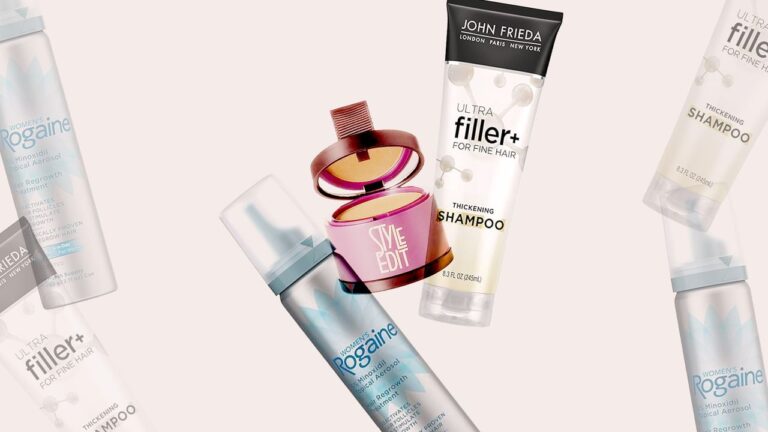
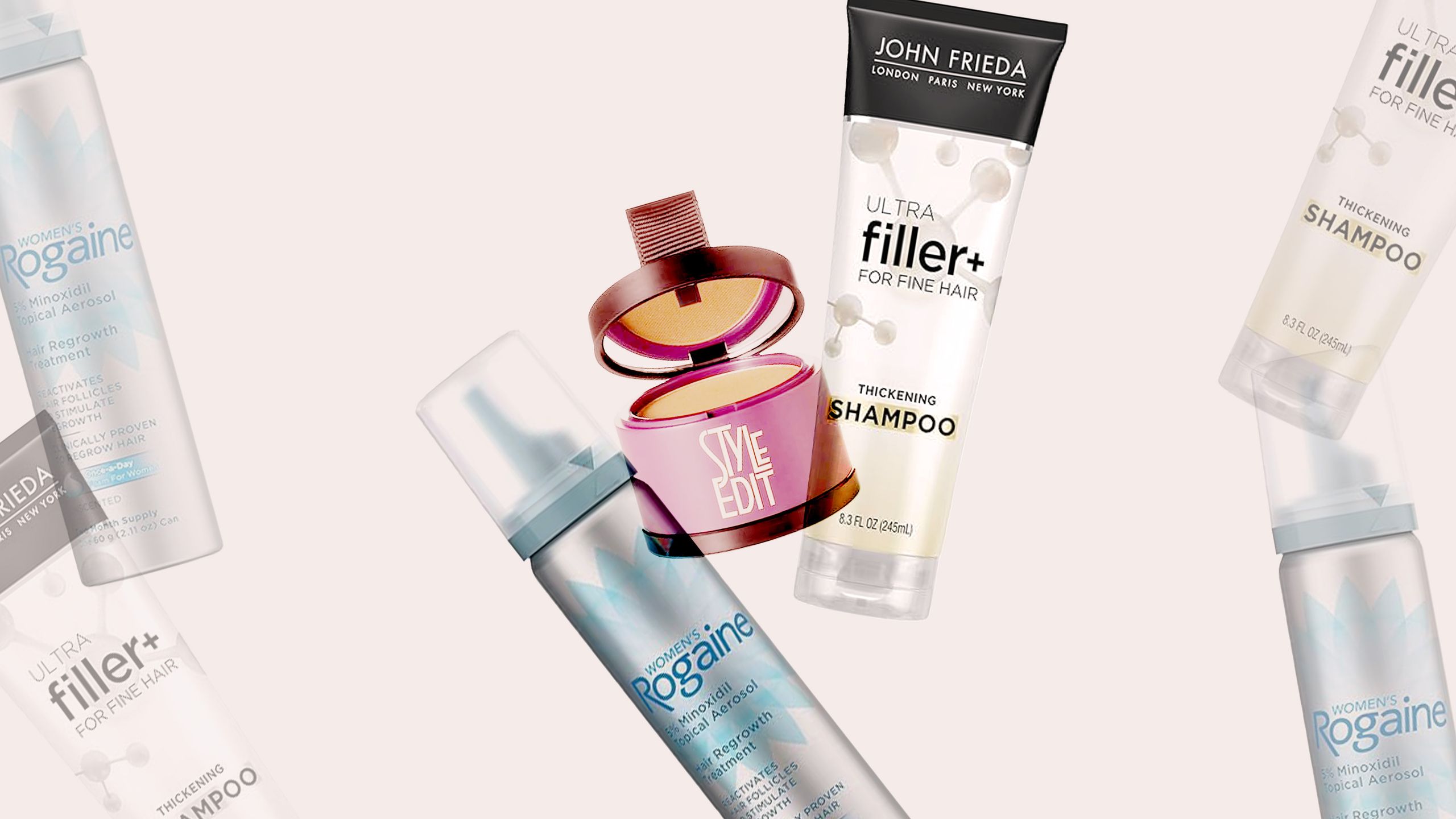
Wash-day products matter, but selection requires precision. John Frieda ULTRAfiller+ Thickening Shampoo and Conditioner—both 2025 Allure Best of Beauty Award winners—are formulated specifically for fine, thinning hair. The shampoo and conditioner contain hydroxypropyl methylcellulose, a plant-derived polymer that plumps individual hair shafts, combined with biotin and hyaluronic acid to create visible thickness and body. These products are used on wash days, not daily, to avoid over-treating fragile strands.
Scalp health directly impacts shedding rates. Nizoral Anti-Dandruff Shampoo containing 1% ketoconazole delivers anti-fungal and anti-inflammatory action to the scalp. Because scalp inflammation accelerates hair loss, managing inflammation through ketoconazole reduces shedding. Proper application is essential: massage the shampoo exclusively onto the scalp surface, not the hair lengths, and allow it to sit for five minutes before rinsing thoroughly.
Rogaine Women’s 5% Minoxidil Foam, applied every evening, is the established topical standard for female pattern hair loss. The mousse-like consistency absorbs into the scalp where it keeps hair follicles in their active growth phase. Understanding the mechanism is critical: minoxidil works only while being used. Stopping application causes follicles to return to their dormant state, and those newly stimulated hairs shed. Applied daily without interruption, the foam increases measurable hair density over several months.
Devices and Temporary Coverage Solutions
Style Edit Root Touch Up Powder provides immediate visual results while medical treatments work over time. Formulated as matte, tinted makeup for the scalp, it clings to sparse areas and blends seamlessly with natural hair color. The Dark Brown shade works across most brunette hair tones. A single container fits easily in a bag or desk drawer, enabling quick touch-ups throughout the day without requiring a mirror or water. This product category addresses the psychological reality of visible thinning while underlying treatments develop results.
The CurrentBody LED Hair Growth Helmet represents the newest at-home dermatological device for hair growth. FDA-cleared for this purpose, the helmet emits red light at 650 nanometers—a specific wavelength that penetrates the scalp to stimulate follicles at the cellular level. The mechanism: red light increases ATP production (cellular energy), improves blood circulation to the scalp, and reduces inflammation—all factors supporting hair growth. At $860, it requires commitment of 10 minutes every night. Third-party clinical testing demonstrated measurable improvements in hair growth and hair density, as well as reduction in overall hair loss, though results were gradual rather than dramatic.
Building the Daily Routine
The complete regimen unfolds systematically across morning and evening. The morning routine begins with oral medications: vitamin D3, iron supplements, spironolactone 50mg, and oral minoxidil. Each medication serves a specific purpose in blocking DHT, supporting nutritional status, and stimulating follicles from within the body. Consistency in timing and dosing matters more than optimizing around food or other variables—simply taking them the same way every morning ensures adherence and predictable results.
Evening brings Rogaine 5% Minoxidil Foam, massaged thoroughly into the scalp. Wash days incorporate John Frieda’s thickening shampoo and conditioner, applied strategically to fragile strands. Nizoral shampoo joins the rotation on days when scalp itching or inflammation surfaces—a sign that ketoconazole’s anti-inflammatory action is needed. Style Edit powder stays accessible for days when psychological confidence in appearance matters, even as medical treatments work invisibly underneath.
The CurrentBody helmet becomes an integrated nightly ritual—10 minutes while watching television or reading ensures the device use feels like maintenance rather than burden. The complete protocol resembles gardening more than medicine: plants need water and fertilizer consistently, and that care must continue even after visible growth emerges. Stopping any component allows the condition to resurge to previous severity.
Results and Timeline
Hair restoration happens gradually, not dramatically. Where shedding once seemed unstoppable—hair collecting in drain covers faster than cleaning could manage—the rate normalizes to manageable levels over weeks or months of treatment. The scalp, once visibly bare along the central part and temples, sprouts baby-fine new hair around the hairline. This new growth validates the regimen is working, though the visual resembles a barren lawn with patches of fresh grass rather than a lush meadow.
This modest-sounding progress requires unwavering commitment. Taking breaks of even a few weeks allows shedding to surge back to previous intensities. The difference between maintained improvement and stagnation is showing up to the routine every single day without exception or simplification. Hair strands gradually become stronger, density increases where thinning was most obvious, and the confidence to wear hair down without constantly checking your reflection in mirrors increases measurably.
Expert Guidance on Sustainable Treatment
Board-certified dermatologist Karyn Grossman, MD, based in Santa Monica, frames hair restoration through a gardening metaphor: “Hair is like a garden. You water it. You fertilize it. And you keep doing that even after it starts to grow.” This describes the essence of managing female pattern hair loss. The daily medications, topical foams, medicinal shampoos, and devices represent the consistent watering and feeding required. Stopping treatment before growth is well established means losing accumulated progress and reverting to shedding.
Female pattern hair loss is treatable but not curable in the traditional medical sense. The goal is management—slowing shedding, supporting new growth, and maintaining what you rebuild through disciplined daily practice. Women who see substantial improvement are those who commit to the complete protocol and resist the temptation to simplify steps when results start appearing. Success depends entirely on treating it as a permanent lifestyle adjustment, not a temporary intervention.
Frequently Asked Questions
What is androgenetic alopecia and why is it common in women?
Androgenetic alopecia is female pattern hair loss, the most common type of hair loss affecting women according to the American Academy of Dermatology. It results from genetic predisposition combined with sensitivity to DHT (dihydrotestosterone), a hormone that shrinks hair follicles in susceptible individuals. The condition is complicated by nutritional deficiencies, stress, and hormonal fluctuations.
How long does treatment take to show visible results?
Hair restoration is gradual. New baby-fine hair growth typically appears around the hairline and temples within weeks to months of consistent treatment, but full results take several months of unwavering daily application of medications, topical treatments, and device use.
What happens if you stop the treatment?
If you discontinue any component of the regimen—particularly oral minoxidil, spironolactone, or topical Rogaine foam—shedding returns to previous levels within weeks. Female pattern hair loss is managed, not cured, so ongoing consistency is required indefinitely to maintain whatever growth and density you rebuild.
