
Key takeaways
- Postpartum body changes extend far beyond what happens during pregnancy itself.
- Physical activity serves a dual purpose in postpartum recovery: it supports your body’s healing while simultaneously rebuilding your relationship with movement and strength.
- The conversation around postpartum bodies has shifted significantly over the past two decades.
- When you’re operating on fragmented sleep and managing constant demands, a five-minute makeup routine becomes a powerful confidence tool.
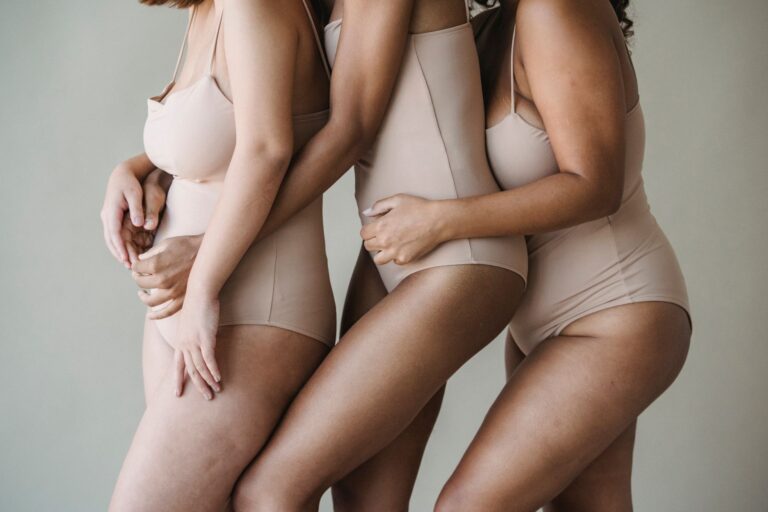
Your body has done something extraordinary—it created and nourished new life—yet the physical changes that come with pregnancy and childbirth often leave mothers feeling disconnected from themselves. Rebuilding confidence in your postpartum body is not about erasing these changes or pretending they don’t exist; it’s about recognizing your body’s strength and learning to appreciate it in its new form. This journey requires practical self-care strategies, realistic expectations, and intentional steps to reconnect with the person you are now.
Understanding the Physical Changes and What They Mean
Postpartum body changes extend far beyond what happens during pregnancy itself. After delivery, your body enters the fourth trimester—a twelve-week period of significant physical transformation—during which your uterus shrinks, hormones fluctuate dramatically, and skin elasticity adjusts to accommodate your pre-pregnancy size. These changes happen gradually, not overnight, and understanding this timeline helps you develop realistic expectations rather than frustration with your body’s pace. Your body is actively healing during this period, even when you can’t see the changes happening.
Research from the American College of Obstetricians and Gynecologists shows that it takes approximately six to twelve months for most women’s bodies to return to their pre-pregnancy state, though some changes—like shifts in breast tissue, skin texture, or hip width—may be permanent. This biological reality means that comparing your three-month postpartum body to your pre-pregnancy body sets an impossible standard.
The Role of Movement in Reconnecting With Your Body
Physical activity serves a dual purpose in postpartum recovery: it supports your body’s healing while simultaneously rebuilding your relationship with movement and strength. Starting slowly and mindfully—whether through walking, pelvic floor exercises, or gentle stretching—allows you to notice what your body can do rather than fixating on how it looks. Movement also releases endorphins, the neurochemicals responsible for mood regulation, which directly impacts how you perceive yourself and your capabilities. When you move your body intentionally, you shift from passive observation to active engagement with your physical self.
Actress and mother Gabrielle Union has spoken publicly about how returning to fitness after childbirth became a form of self-care rather than punishment, focusing on how her body felt rather than how it appeared. This mindset shift—from aesthetic goals to functional ones—transforms exercise from another item on an impossible to-do list into a genuine act of self-appreciation.
Skincare and Hair Care as Confidence Builders
Postpartum hormonal shifts often trigger skin and hair changes that can feel distressing: postpartum acne flares, hair loss (telogen effluvium, the medical term for excessive shedding triggered by hormonal changes), and shifts in skin texture become common sources of frustration. Addressing these visible changes through targeted Skincare and hair routines creates tangible wins that boost confidence in manageable, immediate ways. A consistent fifteen-minute skincare routine featuring a gentle cleanser, targeted treatment serum, and moisturizer with sunscreen protects your skin while signaling to yourself that you’re worth the investment of time and care.
For postpartum hair loss, dermatologists recommend biotin supplements, scalp massage to improve circulation, and gentle hair handling practices that minimize breakage. Many mothers find that a new, lower-maintenance haircut—one that requires less daily styling—paradoxically increases confidence by reducing the daily frustration of managing thinning hair while managing an infant’s needs simultaneously.
The Evolution of Postpartum Body Positivity in Modern Culture
The conversation around postpartum bodies has shifted significantly over the past two decades. Before the 2000s, celebrity culture emphasized rapid weight loss and a return to pre-pregnancy appearance, with many magazines celebrating mothers who “bounced back” within weeks of delivery. The rise of social media and body-positive movements, beginning around 2010, introduced more authentic narratives showing the reality of postpartum bodies, stretch marks, loose skin, and all. This cultural shift means mothers today have access to more diverse, honest representations of postpartum bodies than previous generations.
Model and activist Iskra Lawrence became known in the 2010s for sharing unretouched postpartum photos and discussing her own body changes, contributing to a broader cultural conversation that normalized the reality of postpartum transformation. This visibility matters because research in body image psychology shows that exposure to diverse body representations directly impacts how individuals perceive their own bodies.
Quick Makeup Strategies for Feeling Put Together
When you’re operating on fragmented sleep and managing constant demands, a five-minute makeup routine becomes a powerful confidence tool. Focusing on the features that make you feel most like yourself—whether that’s defined brows, a bold lip, or glowing skin—creates a sense of intentionality and self-care without requiring significant time. A tinted moisturizer with SPF, cream blush applied to cheeks and lips, and a coat of mascara delivers a polished appearance that signals you’ve taken care of yourself, which directly impacts how you carry yourself throughout the day.
The psychological concept of “enclothed cognition”—the idea that what you wear influences how you think and feel about yourself—applies equally to makeup. When you feel visibly put-together, you move through the world with different energy, which others perceive and respond to, creating a positive feedback loop that reinforces your confidence.
Addressing Mental Health and Body Image
Physical changes are only part of the postpartum experience; the mental and emotional dimensions significantly impact how you perceive your body. Postpartum anxiety and depression affect approximately one in seven mothers, according to the Centers for Disease Control and Prevention, and these conditions directly distort body image perception, amplifying negative self-talk and disconnection from your physical self. Addressing mental health through therapy, support groups, or medical intervention is not separate from rebuilding body confidence—it’s foundational to it. When your brain is processing depression or anxiety, no amount of skincare or new clothes will shift how you feel about your body.
Seeking support from a therapist who specializes in postpartum mental health or joining a mother’s support group creates space to process these experiences with people who understand them. Many mothers find that talking through their feelings about their changed bodies in a supportive environment accelerates their ability to accept and appreciate these changes.
Frequently Asked Questions
How long does it actually take to feel comfortable in your postpartum body?
The timeline varies significantly by individual, but most mothers report a shift in acceptance between six and eighteen months postpartum. This timeline includes both physical healing and psychological adjustment, and it’s influenced by factors like whether you’re breastfeeding, your sleep quality, mental health, and your personal expectations.
Is it normal to feel disconnected from your body after childbirth?
Yes, this experience is extremely common and has both physical and psychological roots. Your body has undergone dramatic changes, your hormones are shifting rapidly, and you’re likely exhausted—all of which contribute to feeling like a stranger in your own skin. This disconnection typically decreases as your body stabilizes and you engage in intentional self-care practices.
What should you prioritize first when rebuilding postpartum confidence?
Start with mental health and basic self-care—adequate sleep, nutrition, and movement—before focusing on aesthetics. When your foundational physical and mental health needs are met, the practical beauty and self-care strategies become genuinely effective rather than feeling like additional obligations.
Rebuilding confidence in your postpartum body is a gradual process rooted in recognizing your body’s strength, addressing its changing needs, and actively choosing self-appreciation over self-criticism. Your body’s changes are evidence of what it has accomplished, not a deficit to overcome.
