
Key takeaways
- SPF stands for Sun Protection Factor, a measure of how well a sunscreen protects your skin from UVB rays, which are the ultraviolet rays primarily responsible for sunburn and skin cancer risk.
- Sunscreens fall into two main categories based on how they work: mineral (physical) sunscreens and chemical sunscreens.
- Your skin type significantly influences which sunscreen formula will work best in your daily routine and actually get used consistently.
- Modern sunscreen development began in earnest during the 1920s and 1930s when researchers first identified that certain chemical compounds could absorb UV radiation.
Sunscreen is one of the most effective anti-aging and skin-health tools available to mothers, yet selecting the right formula feels overwhelming when you’re juggling multiple demands on your time. Daily sun protection prevents not only visible damage like dark spots and wrinkles but also reduces your risk of skin cancer, making this decision genuinely important for your long-term health. The good news is that understanding a few key factors transforms sunscreen shopping from confusing to straightforward.
Understanding SPF and UV Protection
SPF stands for Sun Protection Factor, a measure of how well a sunscreen protects your skin from UVB rays, which are the ultraviolet rays primarily responsible for sunburn and skin cancer risk. The number following SPF indicates how long you can stay in the sun before burning compared to unprotected skin; SPF 30 blocks approximately 97 percent of UVB rays, while SPF 50 blocks about 98 percent. The difference between SPF 30 and SPF 50 is relatively small in practical terms, though SPF 50 offers slightly more protection and may feel reassuring when you know you’ll be outside for extended periods without reapplication.
UVA rays, which penetrate deeper into the skin and cause premature aging, require separate protection through ingredients labeled as “broad-spectrum.” The FDA began regulating broad-spectrum claims in 2011, establishing that broad-spectrum sunscreens must filter both UVB and UVA radiation effectively. Look for the words “broad-spectrum” on your sunscreen label to ensure you’re protecting against both types of UV damage.
Choosing Between Mineral and Chemical Sunscreens
Sunscreens fall into two main categories based on how they work: mineral (physical) sunscreens and chemical sunscreens. Mineral sunscreens contain active ingredients like zinc oxide or titanium dioxide, which sit on top of your skin and reflect UV rays away before they penetrate the skin surface. Chemical sunscreens contain organic compounds like oxybenzone or avobenzone that absorb UV rays and convert them into heat, which your body then releases. Both types offer effective protection when formulated correctly, so your choice depends on your skin type, sensitivity, and personal preference.
Mineral sunscreens work immediately upon application and rarely irritate sensitive skin, making them an excellent choice for mothers with reactive or easily inflamed skin. Chemical sunscreens typically feel lighter and more cosmetically elegant on the skin, meaning they blend in more seamlessly and leave less visible residue, which many busy mothers appreciate when applying sunscreen before makeup or heading out the door.
Matching Sunscreen to Your Skin Type
Your skin type significantly influences which sunscreen formula will work best in your daily routine and actually get used consistently. If you have oily or acne-prone skin, look for chemical sunscreens labeled “oil-free” or “non-comedogenic” (meaning they won’t clog pores), as these formulas tend to feel lighter and absorb more readily into oily skin without leaving a greasy layer. Dry skin types benefit from mineral sunscreens or chemical formulas containing hydrating ingredients like glycerin or hyaluronic acid, which is a humectant that draws moisture into the skin.
Sensitive skin typically tolerates mineral sunscreens better since they’re less likely to trigger irritation or allergic reactions. However, some people find that zinc oxide or titanium dioxide feel heavy or leave a white cast on deeper skin tones, making certain mineral formulas impractical for daily use. In these cases, a high-quality chemical sunscreen formulated for sensitive skin becomes the more realistic choice, since the best sunscreen is the one you’ll actually wear every day.
The Evolution of Sunscreen Technology and Formulation
Modern sunscreen development began in earnest during the 1920s and 1930s when researchers first identified that certain chemical compounds could absorb UV radiation. The first commercial sunscreen, called Coppertone, launched in 1944 and contained only basic UV filters; it provided minimal protection by today’s standards but represented a significant breakthrough in sun safety awareness. Throughout the 1970s and 1980s, scientists developed the broader range of UV filters we use today, and the SPF rating system itself was established in 1974 by German chemist Friedrich Saalmann.
In 2011, the FDA implemented new regulations requiring sunscreens to meet specific broad-spectrum standards and limiting certain ingredients based on safety data, which fundamentally changed how manufacturers formulate products. This regulatory shift led to improved formulations that better protect against both UVB and UVA rays while addressing concerns about ingredient safety. Today’s sunscreens are far more elegant and easier to incorporate into daily routines than earlier formulations, which is particularly significant for busy mothers who need products that don’t feel like an extra burden.
Frequently Asked Questions
How much sunscreen do I actually need to apply?
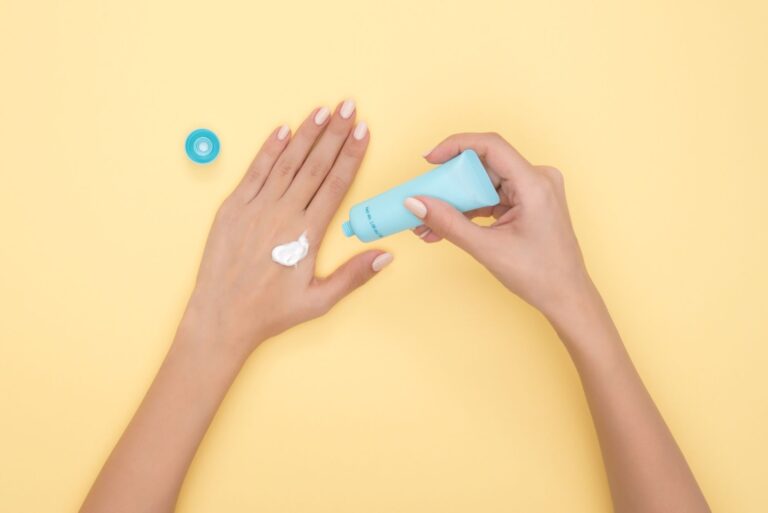
Most people apply far too little sunscreen to achieve the SPF protection listed on the bottle. The standard recommendation is one-quarter teaspoon for your face and neck, or about one shot glass full (roughly one ounce) for your entire body; this amount ensures you’re getting the SPF protection advertised. For busy mornings, using a generous dollop and spreading it evenly across your face, ears, and neck takes less than 30 seconds once you establish the habit.
Do I need to reapply sunscreen throughout the day?
Yes, sunscreen should be reapplied every two hours if you’re spending extended time outdoors, or immediately after swimming or sweating. For mothers with desk jobs or primarily indoor routines, reapplication may be less critical, though applying sunscreen once in the morning before leaving the house provides significant protection for daily activities. If reapplication feels impractical during your workday, consider a sunscreen powder or spray formulated for touch-ups, though sprays are less reliable than creams and powders work best over existing makeup.
Can I skip sunscreen if my moisturizer contains SPF?
Moisturizers with SPF can contribute to your sun protection but shouldn’t replace dedicated sunscreen, since you’d need to apply the moisturizer in sunscreen-level quantities to achieve the stated SPF protection. Most people apply moisturizer in thinner layers than necessary for proper sun defense, making it an unreliable sole source of protection. Pairing a lightweight SPF moisturizer with a dedicated sunscreen offers both convenience and effective protection, or using a dedicated sunscreen allows you to choose your moisturizer based purely on hydration needs.
Selecting the right sunscreen comes down to understanding the difference between UVB and UVA protection, recognizing how mineral and chemical formulas work differently on your skin, and honestly assessing which texture and formula you’ll actually use every single day. The most effective sunscreen is the one that fits seamlessly into your existing routine and feels good enough that you never skip it, even on rushed mornings when motherhood demands your immediate attention.
