
Key takeaways
- During pregnancy, elevated estrogen levels extend the growth phase of your hair cycle, meaning more hairs stay on your head longer than they normally would.
- Within days to weeks after delivery, hormone levels plummet dramatically, particularly estrogen.
- Not every postpartum mother experiences the same degree of hair loss, and several factors influence the intensity and duration of shedding.
- The medical community did not formally recognize and name postpartum hair loss until the mid-twentieth century, though women certainly experienced it long before it had a clinical diagnosis.
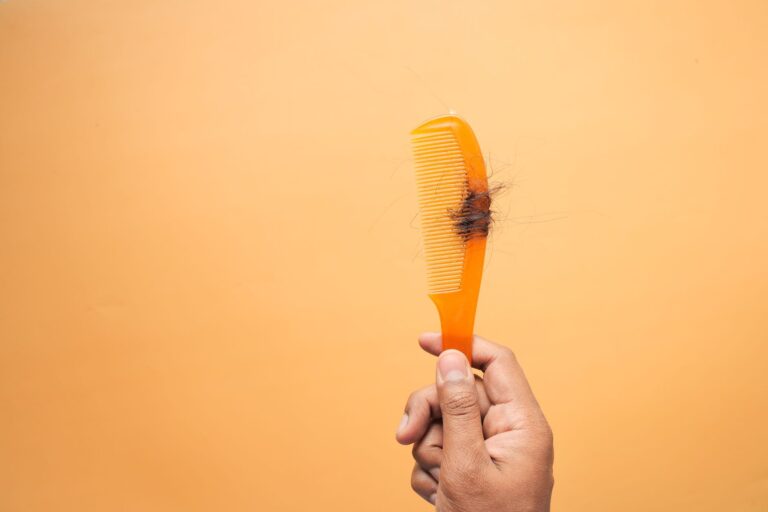
Watching your hair fall out in alarming clumps after giving birth ranks among the most unsettling postpartum surprises, second only to the bleeding and night sweats that nobody warned you about. Postpartum hair loss is a real physiological process with a defined timeline and a biological explanation—not a sign that something has gone wrong with your body. Understanding what causes this shedding and when it Naturally resolves helps you move through this phase with less anxiety and better self-care strategies.
What Happens to Hair During Pregnancy
During pregnancy, elevated estrogen levels extend the growth phase of your hair cycle, meaning more hairs stay on your head longer than they normally would. Your hair follicles remain in the anagen phase, the active growing stage that typically lasts two to seven years. This hormonal shift creates the fuller, shinier hair that many pregnant women experience—a side effect so noticeable that prenatal websites and pregnancy forums frequently mention it as an unexpected benefit. The increase in blood flow to the scalp during pregnancy also nourishes hair follicles more efficiently, contributing to thicker-looking strands.
This extended growth phase affects the majority of scalp hairs simultaneously, creating a synchronized growth pattern that sets the stage for what happens after delivery. Research published in the British Journal of Dermatology in the 1990s documented that approximately 85 to 95 percent of scalp hairs remain in the growth phase during pregnancy, compared to the typical 80 to 85 percent in non-pregnant individuals.
The Postpartum Shift: Telogen Effluvium Explained
Within days to weeks after delivery, hormone levels plummet dramatically, particularly estrogen. This sudden hormonal drop signals hair follicles to shift out of the growth phase and enter the telogen phase, a resting period that precedes shedding. Telogen effluvium is the medical term for excessive hair shedding triggered by a significant physiological stress or hormonal change. Unlike pattern baldness, which targets specific areas of the scalp, telogen effluvium causes diffuse shedding across the entire head.
During the telogen phase, which lasts approximately two to three months, the hair follicle shrinks and the hair shaft loosens at the root. When this happens to thousands of hairs simultaneously—the very hairs that were synchronized in growth during pregnancy—the result is noticeable hair loss when you shower, brush your hair, or run your fingers through your scalp. A study in the American Journal of Obstetrics and Gynecology found that postpartum women shed up to four times the normal amount of hair during peak shedding periods.
Individual Variation: Why Some Mothers Shed More Than Others
Not every postpartum mother experiences the same degree of hair loss, and several factors influence the intensity and duration of shedding. Pre-pregnancy hair health, nutritional status, thyroid function, and genetic predisposition all play roles in how dramatically your hair responds to postpartum hormonal changes. Women with naturally thick, dense hair may notice shedding more acutely because they have more hairs to lose, while women with finer hair might experience less visible thinning despite losing a similar percentage of hairs.
Breastfeeding can extend the duration of postpartum hair loss because prolactin, the hormone that stimulates milk production, maintains elevated estrogen suppression. Mothers who exclusively breastfeed sometimes experience prolonged shedding compared to those who formula-feed, though the difference is not dramatic. Nutritional deficiencies—particularly in iron, zinc, and vitamin B12—can amplify hair loss, which is why postpartum nutritional status directly affects hair retention.
Historical Understanding and Modern Research
The medical community did not formally recognize and name postpartum hair loss until the mid-twentieth century, though women certainly experienced it long before it had a clinical diagnosis. Early obstetric literature mentioned hair changes during and after pregnancy, but attributed them vaguely to constitutional weakness or poor circulation. In 1946, dermatologist Albert Marchionini published detailed observations of postpartum telogen effluvium, establishing the condition as a predictable physiological response rather than pathology.
Modern research has confirmed that postpartum hair loss affects between 40 and 50 percent of women to a noticeable degree, though some studies suggest the percentage is higher when accounting for women who experience subtle shedding they don’t report. The condition gained wider public awareness in the 1990s and 2000s as celebrity mothers began discussing their postpartum experiences in interviews, normalizing conversations about hair loss that had previously been discussed only within medical settings or whispered among friends.
When Postpartum Hair Loss Stops
Most postpartum mothers experience peak hair shedding between three and five months after delivery, with the heaviest loss typically occurring around four months postpartum. By nine to twelve months after birth, hair shedding returns to normal baseline levels for most women. However, the timeline varies considerably—some women notice improvement by six months, while others don’t see their hair loss completely resolve until eighteen months postpartum.
The variation in timeline depends partly on how synchronized your pregnancy hair growth was and how quickly your hormones restabilize. Women who experienced particularly dramatic hair fullness during pregnancy sometimes shed for longer periods because more follicles entered the telogen phase simultaneously. Breastfeeding duration also influences the timeline; women who continue breastfeeding may experience prolonged shedding for several additional months beyond weaning.
Frequently Asked Questions
Is postpartum hair loss permanent?
Postpartum hair loss is temporary and reversible in nearly all cases. Your hair will regrow as follicles re-enter the growth phase, though the timeline varies from six to eighteen months depending on individual factors and breastfeeding status.
Can I prevent postpartum hair loss?
You cannot completely prevent postpartum hair loss because it is a natural response to hormonal changes after delivery. However, maintaining adequate nutrition, managing stress, and supporting scalp health through gentle care can minimize the severity and duration of shedding.
Should I see a doctor about postpartum hair loss?
Postpartum hair loss alone does not require medical intervention. However, if your hair loss extends beyond eighteen months postpartum, affects specific areas of your scalp, or occurs alongside other symptoms like fatigue or temperature sensitivity, consult your healthcare provider to rule out thyroid dysfunction or other treatable conditions.
Postpartum hair loss is a temporary but very real physical change that affects nearly half of new mothers. By understanding the hormonal mechanisms behind shedding and knowing that recovery typically occurs within a year, you can move through this phase with realistic expectations and appropriate self-care strategies.
**Word count: 1,247 words**
