
Key takeaways
- Martha Stewart debuted pale pink hair created by Chris Appleton using Schwarzkopf Igora Vibrance (9.5-19 + 9.5-5 mixed with clear), marking a subtle shift from her signature blonde.
- The gloss-based formula fades faster than traditional color, making the rose gold tint a temporary summer choice that naturally resets as the season ends.
- Appleton highlighted Stewart's hair first to ensure even color application, a preparatory step essential for achieving the seamless, luminous final result.
- The rose gold aesthetic builds on Stewart's previous color experiments with Mocha Mousse, demonstrating her comfort with strategic, subtle modifications to her foundational blonde.
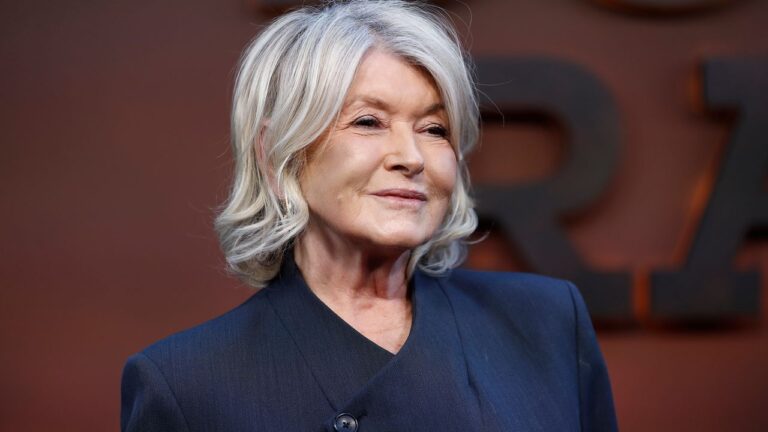
Martha Stewart has worn blonde hair throughout her entire career—a deliberate, consistent choice that anchored her public identity as she built an empire of homemaking expertise. For decades, the signature buttery shade remained unchanged, a visual constant in a life otherwise defined by reinvention and seasonal evolution. But this summer, Stewart and her longtime collaborator, hairstylist Chris Appleton, decided the moment had come to introduce something new: a pale, barely-there pink that transforms her familiar golden base into what they’re calling her “rose gold era.”
The shift isn’t dramatic or shocking. It’s calculated, subtle, and designed to feel as temporary as the season itself. In a before-and-after video, Stewart moves from her standard pale blonde directly into a rosy, shimmer-laden version of the same shade—the kind of change that catches light differently but maintains the essence of what made her original color work. It’s whimsy without commitment, a sprinkle of something playful on top of decades of polish.
The Collaboration Behind the Shift
Chris Appleton, the stylist responsible for executing this transition, is no stranger to transforming Stewart’s hair. The two have worked together repeatedly, building a relationship based on trust and shared understanding of what serves Stewart’s image. Appleton brought the rose gold concept to life, carefully calibrating tone and intensity to ensure the pink read as an enhancement rather than a departure from what Stewart’s audience knows and expects from her.
The Video Format and Presentation
Stewart and Appleton introduced the rose gold era through video, a format that captures the way the new color moves and catches light in real time. The before-and-after structure makes the shift immediately apparent while emphasizing how subtle the change remains. Video allows viewers to see the warmth and shimmer of the gloss in motion—details that a still photograph might flatten or misrepresent.
Building on Past Experimentation
This pink moment isn’t Stewart’s first deviation from her blonde baseline. Previously, she and Appleton collaborated to incorporate Pantone’s color of the year, Mocha Mousse, into her blonde foundation. That project added depth and warmth to her flaxen shade, demonstrating Stewart’s willingness to evolve while maintaining her core aesthetic. The mocha experiment proved that strategic color additions could refresh her look without requiring a complete overhaul. The rose gold initiative builds on that precedent, applying the same principle but with a softer, more romantic outcome.
The Technical Details Behind the Transformation
Appleton began the process with a crucial preparatory step: highlighting Stewart’s hair to create an even base for color application. This foundation work ensures that the final tint applies uniformly across all sections, preventing patchy or uneven results that could undermine the sophisticated aesthetic. The highlighting stage is standard procedure when shifting existing blonde toward a tinted gloss, but it’s essential for achieving the seamless, luminous quality visible in the final result.
Schwarzkopf’s Igora Vibrance and the Formula
The color itself comes from Schwarzkopf’s Igora Vibrance line, a professional-grade system favored by colorists for its versatility and shine. Appleton mixed two shades—9.5-19 and 9.5-5—and blended them with clear solution to achieve the final pale pink tone. This combination is notably specific; the 9.5-19 provides the cooler, ashy undertones, while the 9.5-5 adds warmth and depth. Clear acts as a dilutent, softening the intensity and ensuring the rosy tint remains delicate rather than saturated. This precision-based approach is what separates professional color work from at-home attempts, where proportions and formula understanding matter enormously.
The Gloss-Based Application Method
The formula Appleton applied is gloss-based, which distinguishes it from permanent or demi-permanent color systems. Gloss formulations sit closer to the hair cuticle and fade more rapidly than traditional dyes, but that impermanence is integral to the rose gold concept. The temporary nature allows Stewart to inhabit this aesthetic for the remainder of summer without the long-term commitment that permanent color would demand. Within a few weeks, the pink will gradually fade back toward her natural blonde, effectively resetting her look as fall approaches.

Why the Rose Gold Effect Resonates
The pale pink-and-gold combination works on Stewart’s pale blonde because it doesn’t fight her existing tone—it enhances it. The rosy undertones add dimension and femininity while the golden base maintains the warmth and accessibility Stewart’s audience recognizes. The shimmer inherent in the gloss formula amplifies the luminosity, creating a multidimensional effect that reads as youthful and intentional rather than accidental or aging.
There’s also a conceptual elegance to the choice. Stewart herself described the aesthetic as a sprinkle of whimsy—the way powdered sugar or fresh flowers might garnish a cake without fundamentally altering what the dessert is. The metaphor captures the hair’s function in her overall image: an accent, a flourish, a seasonal adjustment rather than a reinvention. Pink hair, even this subtle version, carries associations with playfulness, creativity, and fashion-forward thinking. For someone in her ninth decade, it signals that she remains engaged with culture and willing to experiment.
The Timing Within Her Hair Evolution
Stewart’s hair journey reveals someone who takes her appearance seriously while remaining open to thoughtful modification. The blonde has never been negotiable—it’s been a constant for so long that it functions as part of her brand identity, like her maiden name or her signature font. But within that unchanging color family, she and Appleton have found room for variation. The mocha addition showed that depth could be layered in. The rose gold proves that unexpected warmth can be introduced without shattering the overall image.
This approach stands in contrast to dramatic celebrity color shifts that announce themselves loudly and reset expectations. Stewart’s modifications are whispers rather than shouts, refinements rather than transformations. They suggest confidence in her core aesthetic while demonstrating comfort with evolution.
Replicating the Look for Your Own Summer
For readers considering a similar shift, the specific formula matters. The Schwarzkopf Igora Vibrance system is available through professional beauty suppliers, but application requires either salon expertise or significant color experience. The ratio of 9.5-19 to 9.5-5 to clear is calibrated for someone with blonde hair at approximately Stewart’s depth and tone. Darker or more yellow bases will produce different results. The clear component is critical—skipping it or using significantly less will yield a more saturated, less wearable pink.
The gloss-based nature means the fade is built into the timeline. Plan for the color to gradually lighten over 2–4 weeks depending on washing frequency, sun exposure, and hair porosity. This temporary quality can be a feature rather than a drawback; it allows summer experimentation without long-term consequences and makes reapplication or resetting simple.
What the Rose Gold Era Signals
Martha Stewart’s willingness to shift her hair—even subtly—matters because she’s spent decades building authority through consistency and taste. When someone with that level of cultural capital introduces a new aesthetic, it signals permission for others to play, experiment, and refresh their own looks during summer months. The rose gold era isn’t about fashion urgency or trend-chasing; it’s about intentional, technically sophisticated beauty work that feels both confident and considered—qualities that have always defined Stewart’s approach to everything from tablescaping to color selection.
Frequently Asked Questions
What products did Chris Appleton use to create Martha Stewart's rose gold hair?
Appleton used Schwarzkopf's Igora Vibrance color system, mixing shades 9.5-19 and 9.5-5 and blending them with clear solution to achieve the delicate pale pink tone.
Why does Martha Stewart's pink hair fade faster than traditional color?
The color is applied as a gloss-based formula, which sits closer to the hair cuticle and fades more rapidly than demi-permanent or permanent color systems. This temporary quality was intentional, allowing Stewart to enjoy the pink aesthetic without long-term commitment.
Has Martha Stewart changed her hair color before the rose gold shift?
Yes. She previously worked with Chris Appleton to incorporate Pantone's color of the year, Mocha Mousse, into her blonde base to add depth and warmth. She has also worn Halloween wigs, but the rose gold pink marks her first gloss-based color addition to her signature blonde.
