
Key takeaways
- Clean, dry lashes free of oils and residue are essential before mascara application to prevent smudging and ensure proper adhesion.
- Lengthening and volumizing require different techniques: lengthening uses light separating strokes with focus on middle and tips for second coats, while volumizing concentrates product at the roots for drama.
- Wet clumps should be addressed immediately with a clean spoolie or metal comb, while dried smudges should be gently rolled away or camouflaged with concealer.
- Building volume with multiple coats works best when each layer is slightly tacky, not completely dry, though some tubing formulas deliver impressive one-coat volume without clumping.
Preparation is everything when it comes to mascara application. According to makeup artist Valeria Nichols, based in Scottsdale, Arizona, the foundation begins with clean lashes. “Start with completely clean, dry lashes, free of eye cream, oils, leftover mascara, or micellar water residue,” Nichols explains. Any remaining moisture or oil will interfere with adhesion and increase the likelihood of smudging.
To achieve this baseline cleanness, Nichols recommends gently patting lashes dry with a clean tissue or running a clean spoolie through them before application. This extra step removes invisible residue that could compromise the mascara’s performance.
Understanding the Foundation Steps
Why Timing Matters for Curling
Curling your lashes before applying mascara can create a significant visual difference. “Curling your lashes makes a huge difference and can make the eyes look much bigger, even before any mascara gets applied,” according to makeup artist and brand founder Jenny Patinkin. All three experts—Patinkin, Nichols, and Tim Quinn, cofounder of Halo42—agree that curling should happen before mascara, not after. Applying the curler to mascara-coated lashes risks causing them to stick to the curler and potentially break or get pulled out.
Quinn recommends a technique that creates a softer curve rather than a sharp bend. Gently curl the lashes at the base first, then curl again toward the middle for a more natural lift that extends the full length of the lash.
The Primer Question
An optional but beneficial step is using an eyelash primer. Quinn reaches for it when he wants to achieve maximum length, fullness, and staying power, and he emphasizes applying mascara while the primer is still slightly tacky. “I’ve long loved Lancôme Cils Booster XL,” he says. Allure also recommends the Essence Lash Princess Mascara Primer as an affordable alternative.
One Critical Wand-Prep Step
Before the wand touches your lashes, remove the excess product from the tip. “Always wipe excess product from the tip of the wand before applying. That’s often where clumps begin,” Quinn notes. This small action prevents accidentally depositing too much product on a single lash.
Lengthening Your Lashes
Technique and Application
Think of your mascara wand as a tool for separating and extending individual lashes rather than piling on product. Nichols begins at the base and uses smooth, continuous strokes toward the tips, adding a slight zigzag motion at the roots to ensure every lash gets coated. She then rolls and sweeps the wand upward in one smooth motion, distributing the formula along the lash’s full length rather than concentrating it in one spot.
Quinn employs a similar approach for the first coat, starting at the roots with a gentle side-to-side movement before combing straight upward. For a second coat, however, his strategy shifts. Instead of depositing more mascara at the roots, he focuses on the middle and tips, which adds length without creating unnecessary bulk at the base.
Wand Selection and Formula Choice
The wand itself plays a crucial role in achieving a lengthening effect. “The magic for lengthening mascara is in the applicator,” Patinkin explains. She prefers silicone wands or applicators with widely spaced bristles because they comb through lashes individually and help extend them without overloading with excess formula. Tubing mascaras also excel at creating a lengthened look.
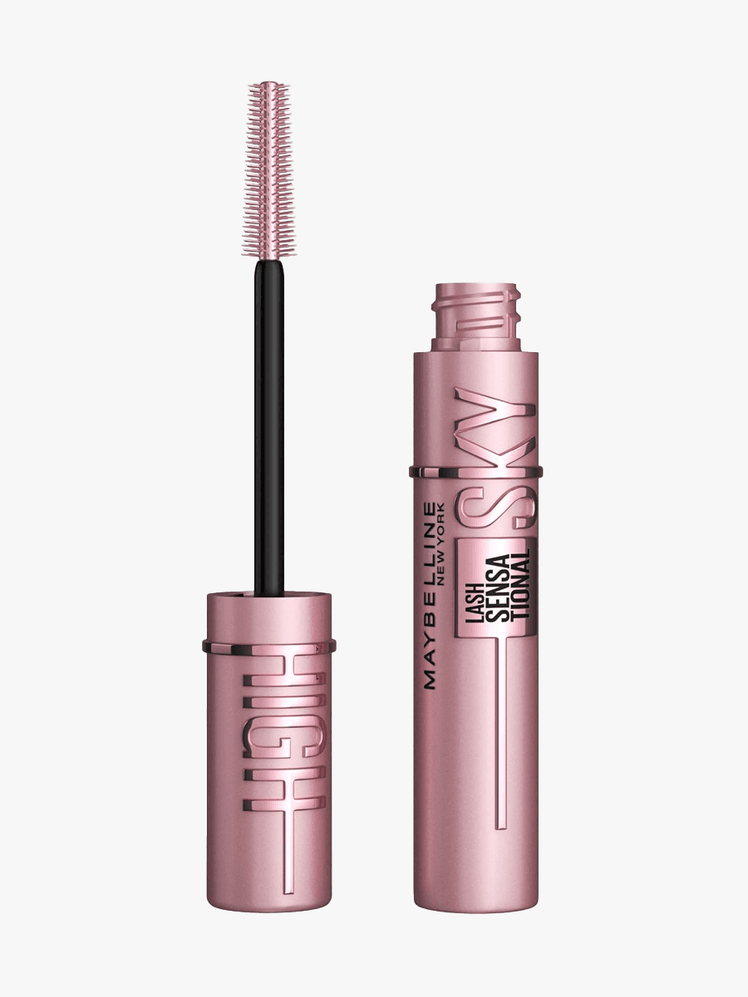
Nichols seeks out molded silicone wands with fine, widely spaced, comb-like teeth combined with lightweight formulas made with polymers and waxes that can extend lashes without weighing them down. Both Nichols and Patinkin are fans of Maybelline New York Lash Sensational Sky High Mascara. According to Allure, Clio’s Kill Lash Superproof Mascara from the Korean beauty brand also delivers impressive lengthening results.
Directional Styling for Dimension
A directional technique Quinn employs subtly fans lashes outward rather than making every hair point in exactly the same direction. He brushes the inner lashes toward the nose, the center lashes straight upward, and the outer lashes toward each temple. To further enhance the lengthening effect, he turns the wand vertically to reach and define the tiny lashes at the inner and outer corners, an area many people overlook.
Building Volume
Strategic Root Placement
Volume requires a different strategic approach. According to Quinn, “placement at the roots is everything” when you want to boost thickness. He nestles the brush into the base, gently wiggles it from side to side, then rolls or pulls it upward. The key distinction from the lengthening technique is that the bulk of the product stays concentrated near the lash line, with whatever remains on the brush coating the ends. This creates drama while avoiding the spider-leg effect that comes from overloading the tips.
Patinkin has developed a three-step technique she calls press-wiggle-fluff. First, lightly press the brush into the roots to deposit product and create a fuller appearance at the base. Next, wiggle the applicator from side to side to catch even the tiniest lashes. Finally, fluff the brush through to the tips so the lashes remain light and defined rather than looking clumpy.
Brush Type and Wax Selection
The wand and formula you select for volume should differ from what you use for pure length. Nichols looks for plush nylon fiber brushes with dense, hourglass-shaped, or oversized bristles that can grab more product. She prefers formulas made with creamy, structured waxes such as carnauba or beeswax. Among her favorites is NARS Climax Mascara. Quinn recommends Charlotte Tilbury Exagger-Eyes Mascara and Giorgio Armani Eyes to Kill Classico Mascara for their dramatic effect.
Layering Without Clumping
When building volume through multiple coats, timing matters. Quinn advises building thin coats while each layer is still slightly tacky rather than waiting for the first coat to dry completely. “Piling wet mascara over completely dry mascara is where heaviness and flaking often begin,” he explains.
Patinkin offers an alternative for those using volumizing tubing formulas. Since these formulas literally encase the lash in polymers rather than simply coating it in wax, they deliver impressive one-coat volume. Adding a second coat can often lead to clumping due to the formula’s nature, so Patinkin recommends skipping it.
For an appearance of fuller lashes without adding more mascara product, Nichols suggests filling in the waterline. “For the appearance of an even fuller lash line, run a waterproof black gel pencil along the upper waterline,” she says. Filling in those pale spaces between the lash roots makes lashes appear considerably denser without actually building more product onto them.
Addressing Mascara Mistakes
Even professional makeup artists make mistakes with mascara. The solution depends on whether the product is still wet. If you notice a clump while the mascara is still wet, act immediately. Nichols recommends keeping a clean, dry, metal lash comb nearby and combing through right away. Quinn suggests using a clean spoolie or an old mascara wand that has been thoroughly washed and reserved for this purpose. If you’ve applied too much product, use the clean brush to remove some before adding anything else. “More mascara is rarely the answer to too much mascara,” Quinn notes.
For mascara smudges on your eyelid or skin, patience is necessary. Attempting to wipe away wet mascara usually smears the pigment across your eye shadow or concealer, according to Nichols. Allow it to dry completely instead, then use a clean, dry spoolie to gently flick or roll it away. If a faint mark remains, Quinn suggests using a tiny amount of concealer on a precision brush to camouflage the area.
Tubing mascara smudges require a slightly different approach. Patinkin takes an unconventional but effective route: “Using a very slightly damp cotton bud with a pointed tip gets them off in no time,” she says. She notes that rolling a cotton bud on your tongue to control the moisture level, rather than using eye makeup remover or water, gives the best results, though she acknowledges this technique is unconventional.
Maintaining Your Mascara Wand
Mascara wand maintenance is often overlooked but essential. Quinn recommends cleaning your wand approximately once a week to remove dried product accumulating between the bristles. Use a lint-free pad and a little eye makeup remover, such as Glossier Milky Oil Dual-Phase Waterproof Makeup Remover or Clinique Take The Day Off Makeup Remover for Lids, Lashes and Lips, to ensure it’s completely clean and dry before returning it to the tube.
One critical rule: never pump the wand in and out of the tube. “It introduces air and causes the formula to dry out faster,” Quinn explains. This habit shortens the lifespan of your mascara and compromises its performance over time.
Source: Allure
Frequently Asked Questions
Do I need to curl my lashes before applying mascara?
Yes, according to the experts, curling should happen before mascara application because curling lashes after mascara is applied risks causing them to stick to the curler and potentially break or get pulled out. Curl gently at the base first, then toward the middle for a softer curve rather than a sharp bend.
What is the best technique for applying mascara to make lashes look longer?
Use smooth, continuous strokes starting at the base with a slight zigzag motion to catch every lash, then roll and sweep upward. For a second coat, focus mainly on the middle and tips rather than the base. Silicone wands or applicators with widely spaced bristles work best for lengthening, as they comb through lashes individually without overloading them with product.
How should I handle a mascara clump if I notice it while applying?
If you notice a clump while the mascara is still wet, act immediately using a clean, dry metal lash comb, clean spoolie, or old mascara wand reserved for this purpose to remove the excess product. If the mascara has already dried, let it dry completely and use a clean spoolie to gently roll or flick it away; if a faint mark remains, camouflage it with concealer.
