
Key takeaways
- Start retinol at 0.25% concentration once weekly, gradually increasing frequency over 4 weeks as your skin builds tolerance and irritation subsides.
- Retinol creams with ceramides, hyaluronic acid, and plant extracts like bakuchiol reduce irritation while delivering results for fine lines and dark spots.
- Never mix retinol with benzoyl peroxide, AHAs, or BHAs on the same evening; use retinol only at night because vitamin A increases sun sensitivity.
Retinol has become one of the most trusted ingredients in skincare routines for addressing fine lines, dark spots, uneven texture, and loss of firmness. This single ingredient works by encouraging your skin to shed old cells faster and produce more collagen, which translates into visibly smoother, clearer skin and improved tone. Whether you’re new to vitamin A treatments or a seasoned user, selecting the right retinol cream depends on understanding how the ingredient works and what concentration your skin can handle.
Understanding Retinol and How It Works
Retinol is a form of pure vitamin A, part of a larger family called retinoids that encompasses every vitamin A derivative available, from over-the-counter options to prescription treatments like tretinoin. Ron Robinson, a New York City-based cosmetic chemist and founder of BeautyStat, explains that retinol stimulates cell turnover while simultaneously boosting collagen production. These two effects combined allow the ingredient to unclog pores, minimize wrinkles, and improve skin elasticity without requiring multiple separate products.
How Retinol Reaches Your Skin Receptors
Unlike prescription-strength retinoids that your skin can use immediately, over-the-counter formulations like retinol require an extra metabolic step. Your skin must convert retinol into retinoic acid before it can activate and bind to the receptors that trigger collagen production and cell turnover. This conversion process is why over-the-counter retinol works slower than its prescription counterparts but also why it tends to cause fewer side effects, especially for those new to vitamin A treatments.
Retinaldehyde: The Faster-Acting Relative
Retinaldehyde, sometimes written as retinal, sits one step closer to retinoic acid in this conversion chain. According to board-certified dermatologist Asmi Berry from Los Angeles, retinal can deliver results faster than standard retinol because your skin has one fewer metabolic step to complete. This makes retinal particularly effective at smoothing fine lines, improving texture, and evening out discoloration, though it does require additional care during the introduction phase.
Cream or Serum: Making the Right Choice for Your Skin
The format you choose depends on what your skin needs most and what it can tolerate. Serums deliver a more concentrated dose of active ingredients and absorb quickly into the skin, making them ideal for those with oily or acne-prone skin who want potent results. Creams provide additional hydration through moisturizing emollients and tend to play more gently with sensitive skin types. Both can be effective; the choice comes down to whether your skin needs maximum potency or maximum support during adjustment.
Building Tolerance: A Dermatologist-Approved Timeline
Most dermatologists recommend a cautious introduction to retinol, especially for first-time users. Start with an application just once or twice per week using only a pea-sized amount, allowing your skin to build tolerance to the ingredient. After 2 to 4 weeks, if irritation has subsided, you can gradually increase frequency to every other night. Once your skin has fully acclimated—typically after 4 to 6 weeks—you can move to nightly application if desired.
What to Expect During the First Month
During the adjustment period, some dryness, peeling, redness, or mild irritation is normal and expected. Board-certified dermatologist Hadley King notes that these reactions should subside by the fourth week in most cases. To ease the transition, dermatologists recommend buffering your retinol with an anti-inflammatory serum or lotion beforehand, focusing on formulas containing niacinamide, polyphenols, lipids, or ceramides. Always follow retinol with a moisturizer and apply broad-spectrum SPF during the day, as retinoids increase sun sensitivity.
Retinol Creams by Experience Level and Skin Type
Gentle Entry Points for Sensitive and New Users
Alastin Skincare’s Renewal Retinol 0.25 features a lipid-encapsulated form of retinol wrapped in moisturizing ceramides that reduce irritation while amplifying hydration. The formula also includes oat extract and silver mushroom, both known for soothing inflammation and supporting the skin barrier. According to Allure’s contributing commerce editor Deanna Pai, the cream proved gentle enough to use from day one without a typical adjustment period, even for someone with a history of retinol sensitivity. The brand also offers a higher-strength 0.5% formula for those ready to advance.
Eau Thermale Avène’s RetrinAL 0.1 Intensive Cream contains 0.1% retinaldehyde—the stronger form of vitamin A—but buffers it with the brand’s thermal spring water and multiple humectants. Glycerin and sodium hyaluronate draw water into the skin, while squalane, shea butter, and safflower seed oil soften and seal in moisture. According to Allure’s commerce editor Sarah Han, she reached for this version on days when her skin felt dry or reactive, appreciating its effectiveness without excessive irritation.
For Combination and Normal Skin Types
Revision Skincare’s D·E·J Night Face Cream pairs retinol with bakuchiol, a plant-based alternative that offers similar benefits to vitamin A without the same irritation potential. The formula delivers 0.25% time-released retinol gradually over the night, reducing shock while still producing results. According to board-certified dermatologist Nazanin Saedi, this time-release technology makes it approachable for retinol beginners. The cream includes tetrahexyldecyl ascorbate for brightening, plus sodium hyaluronate, glycerin, squalane, ceramides, and cholesterol to support moisture retention.
Olay Regenerist Retinol 24 + Peptide Night Face Moisturizer combines two forms of vitamin A: retinol and retinyl propionate. Board-certified dermatologist Anetta Reszko recommends this dual approach for discoloration and uneven tone, as it addresses cell turnover more comprehensively. Peptides work on fine lines and firmness, while niacinamide brightens and supports the barrier. Those new to retinol or with sensitive skin should start with two to three nights weekly and gradually advance.
Advanced Users and Mature Skin
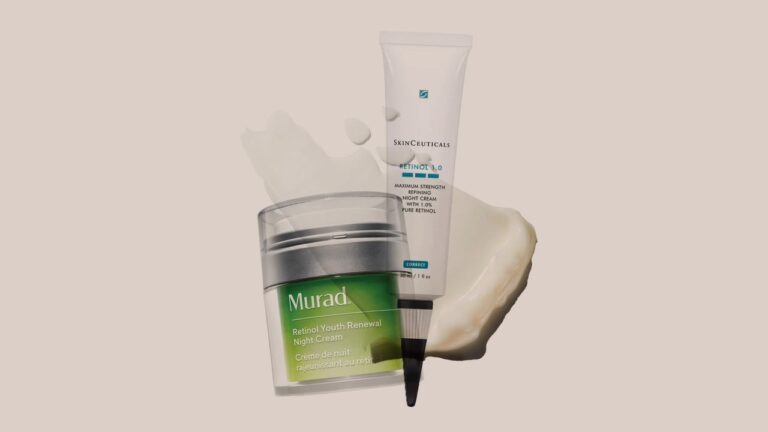
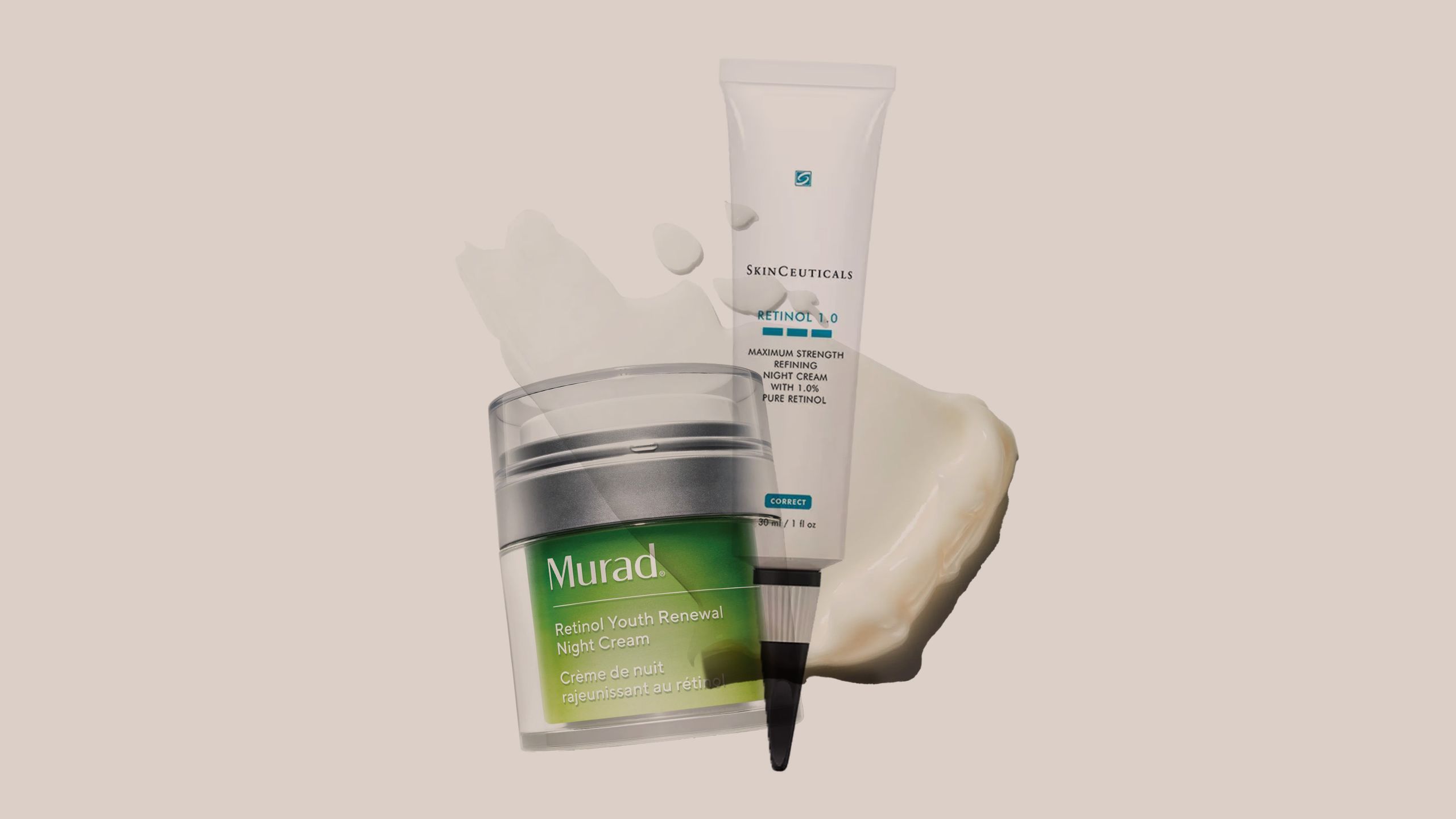
SkinCeuticals Retinol 1.0 is explicitly formulated for advanced retinoid users who want the highest concentration of pure retinol available without a prescription. The brand includes bisabolol derived from chamomile and boswellia serrata extract from frankincense to prevent irritation and redness. According to contributor Marci Robin, who has used retinol for 15 years, the formula’s soothing ingredients make even this high concentration manageable. SkinCeuticals also offers Retinol 0.3 and Retinol 0.5 as stepping stones.
Murad Retinol Youth Renewal Night Cream targets crepey or thinning skin using three different retinoids: retinol, retinyl linoleate, and hydroxypinacolone retinoate. According to board-certified dermatologist Alexandra Bowles from Cincinnati, this multi-retinoid approach combined with time-release technology produces visible improvement in skin texture and firmness while minimizing irritation. Hyaluronic acid, glycerin, squalane, and niacinamide provide hydration and barrier support.
Dr. Dennis Gross’s Intense Wrinkle Cream promises visible improvement in as little as two weeks using a Phyto-Retinol Blend combining trans-retinol with encapsulated retinol that releases gradually. The formula also contains bakuchiol for additional collagen support. According to board-certified dermatologist Corey Hartman from Birmingham, this rich formulation suits dry or mature skin best, though those with oily skin may find it heavy.
Critical Combinations to Avoid
Never mix retinol with benzoyl peroxide, as the two ingredients can neutralize each other’s effects completely. Instead, apply benzoyl peroxide in the morning and save retinol for night. Similarly, do not combine retinol with alpha-hydroxy acids or beta-hydroxy acids, as this pairing causes significant irritation and damage to your skin barrier. If you want to use both vitamin C and retinol, apply vitamin C during the day and retinol at night. For those using salicylic acid or other exfoliants, dermatologists recommend alternating days rather than layering on the same evening.
Frequently Asked Questions
What percentage of retinol makes a cream actually effective? According to board-certified dermatologist David Kim from New York City, retinol should be at least 0.25% concentration to deliver measurable results, since retinol is roughly 10 times less potent than prescription retinoic acid. If a product does not disclose its retinol percentage, it likely contains a very low dose.
Is peeling and redness normal when starting retinol? Yes, dryness, peeling, redness, and mild irritation are normal during adjustment and should subside by the fourth week. Buffering with moisturizer or an anti-inflammatory serum beforehand helps minimize these effects.
Should you ever use retinol during the day? No, retinol should only be used at night because vitamin A derivatives increase sun sensitivity. Apply SPF 30 or higher during the day to prevent photosensitivity reactions and sun damage.
Source: Allure
Frequently Asked Questions
What percentage of retinol makes a cream actually effective?
According to dermatologist David Kim, retinol should be at least 0.25% concentration to deliver measurable results, since retinol is roughly 10 times less potent than prescription retinoic acid.
Is peeling and redness normal when starting retinol?
Yes, dryness, peeling, redness, and mild irritation are normal during adjustment and should subside by the fourth week according to dermatologist Hadley King. Buffering with moisturizer or an anti-inflammatory serum beforehand helps minimize these effects.
Should you ever use retinol during the day?
No, retinol should only be used at night because vitamin A derivatives increase sun sensitivity. Apply SPF 30 or higher during the day to prevent photosensitivity reactions and sun damage.
