
Key takeaways
- The Swan coerced contestants into 10-hour surgeries with almost no choice, marketing itself as a confidence-restoring makeover when the network's real mission was to transform them for shock value.
- Surgeons performed approximately 200 procedures in two weeks while contestants faced inadequate post-operative care, forced training during healing, and some received no follow-up support for lasting physical damage.
- Modern plastic surgery emphasizes patient autonomy, trauma-limited techniques, and comprehensive aftercare—a fundamental departure from The Swan's extreme 2004 approach.
The Swan’s False Promise
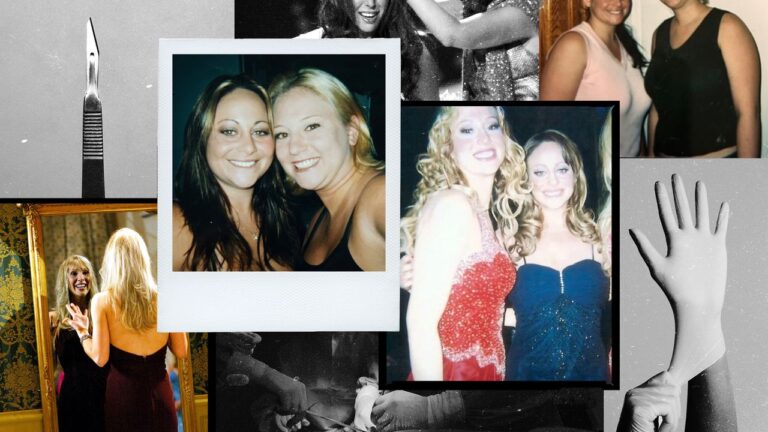
When Fox launched The Swan in 2004, the network marketed the reality series as an inside-out makeover experience designed to restore beauty and confidence. Contestants would receive cosmetic procedures, personal training, nutritional guidance, psychotherapy, and life coaching from show creator Nely Galán. Behind the cameras, however, the motivation differed sharply. A Swan producer reveals in the Hulu documentary The Swan: Behind The Mirror that the network’s actual mission was “We’re gonna take ugly chicks and make them hot.” Contestants, described as “broken women” by the show’s framing, remained largely unaware of what awaited them. They weren’t told until weeks into filming that they would be forced to compete in a beauty pageant wearing lingerie and swimsuits. Galán herself, in a 2004 interview, described the pageant as “enough to kill yourself”—a remark that carries new weight after witnessing what the documentary reveals about contestants’ actual experiences.
The Extreme Surgical Approach
Duration and Volume
Each woman underwent 10 hours of continuous anesthesia while Dr. Randal Haworth and Dr. Terry Dubrow performed as many procedures as possible to achieve dramatic transformations. Dr. Dubrow told Vice in 2024 that the surgeons completed approximately 200 plastic surgery operations on contestants across two weeks—more procedures than a typical plastic surgeon performs in an entire year. Every procedure happened at the extreme end of possibility: instead of moderate nose refinement, a complete reshape; instead of subtle breast augmentation, a dramatic size increase.
Surgeons’ Methods
Haworth, known for cutting critiques, and Dubrow, remembered by contestants as “warm and funny,” presented starkly different surgical personas. In an interview recorded for the documentary in 2026, Haworth describes plastic surgery as “barbaric. You’re putting a cold scalpel onto flesh and certain things fail.” He expressed no regret for The Swan, characterizing it as “empowering.” Dubrow did not participate in the documentary; according to Vanity Fair, he requested what the publication calls “an incredible amount of money” to be interviewed, a figure the documentary’s director, Erin Lee Carr, said was neither feasible nor appropriate.
Forced Choices
Contestants retained almost no agency. A Swan producer states that “the women had maybe 1% say over which procedures they had.” Beth Lay, the first runner-up from season one, was told: if she didn’t accept every procedure assigned to her, she would be sent home. Cindy Ingle, another season-one contestant, recalls the same ultimatum. “I was told that if I didn’t get everything that was on my list, I would be sent home. I didn’t feel like I could say, ‘No, I don’t want that.’”
The Post-Operative Crisis
Immediately after surgery, contestants faced conditions that would horrify contemporary surgeons. Women woke heavily bandaged, incoherent from anesthesia, swollen and bruised beyond recognition. After a single day of medical care, they were moved to apartments where nursing support was catastrophically inadequate: one nurse cared for more than 20 women simultaneously. Contestants helped each other manage post-operative complications—fluid leaks from liposuction, endless icing, depression, and homesickness. Some received devastating news while in recovery: one contestant lost a beloved uncle, another discovered she had cancer, and a third was served divorce papers.
During the most critical healing phase, with nose splints and chin straps still firmly in place, the Swans returned to the gym for twice-daily workouts under trainer supervision. They subsisted on sponsored Jenny Craig meals that one contestant describes as tasting like “bad decisions and regret.” This approach stands in stark contrast to modern post-operative care, which mandates exercise restrictions and carefully designed nutritional support to minimize swelling, bruising, and complications.
Long-Term Physical Damage
More than 20 years after the show aired, Swan contestants continue managing the physical aftermath. Many report hardened and ruptured implants, faulty veneers, and what they describe as “destroyed” gums. According to the documentary, contestants received no follow-up care or support once they left the show. Kari Bravata, a season-two contestant, came close to death on the operating table when her vital signs crashed and nurses struggled to rouse her from anesthesia. She survived to share: “I almost died for reality television.”
The Surgeons’ Accountability Today
Both surgeons have maintained successful Beverly Hills practices and built substantial social media followings. Haworth credits The Swan with contributing to his success, noting that prospective patients still cite the show as their inspiration. When Allure contacted him after the documentary’s release, Haworth acknowledged that his comments had “lost important context in the edit” and that contestants “deserved the space to tell their stories fully.” He stated: “I’ve changed enormously in 22 years, both as a surgeon and as a person, and I’m comfortable looking critically at the show through the lens of 2026. There are aspects of the format, the language, and the way physical transformation was presented that I would approach differently today.”
Dubrow’s representative submitted a statement expressing appreciation for contestants’ willingness to share and affirming his seriousness about his role in the series. The statement did not address the reported payment request or other specific questions. Dubrow has since become known for his work on E!’s Botched and appearances with his wife Heather on Bravo’s The Real Housewives of Orange County.
Modern Plastic Surgery: A Different Philosophy
The gap between The Swan’s surgical approach and contemporary practice is profound. Today’s leading surgeons emphasize trauma-limiting techniques designed to preserve natural appearance and minimize visible healing. Modern protocols restrict anesthesia to six hours rather than ten, with procedures carefully choreographed to achieve refined results rather than maximum shock value. Contemporary aftercare encompasses luxury recovery spaces, private nursing, specialized treatments including hyperbaric oxygen and lymphatic massage, comprehensive dietary guidance, and structured exercise progression. This represents a fundamental departure from an era when dramatic visible change was the primary measure of success.
Contestant Reflections
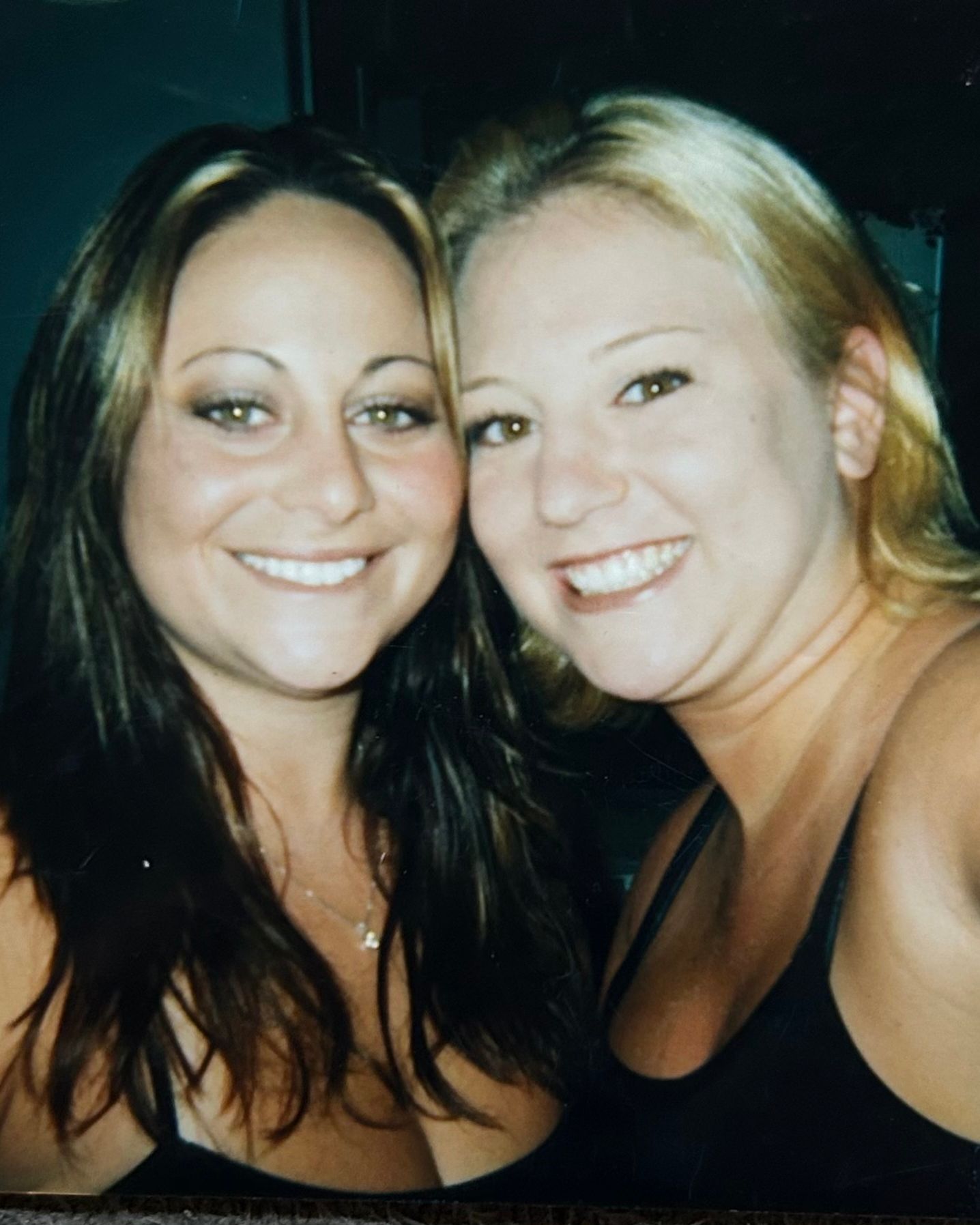
Two decades later, Swan contestants express complicated feelings about their participation. Kristy Garza, watching clips from season one in the documentary, felt sorrow for her younger self—”a young girl just desperate to be pretty.” Beth Lay, season one’s first runner-up, carries emotional scars: “I went home feeling emotionally scarred from the situation. It makes me feel so frustrated and ashamed that I participated in and fed into the world’s view of beauty.”
Not all contestants reject their surgical outcomes. Gina and Kari Bravata, season-two sisters, distinguish between the procedures and the process. “I don’t regret the surgeries,” Gina says. “I just regret that the process tore us down quite a bit.” This nuance—acknowledging that the changes felt right while condemning the coercive, negligent methods used—characterizes how many contestants now reflect on their experience.
Source: Allure
Frequently Asked Questions
What made The Swan's surgical approach so extreme compared to modern standards?
Contestants underwent 10 hours of continuous anesthesia while surgeons Haworth and Dubrow performed approximately 200 plastic surgery operations over two weeks—more than a typical surgeon does in a year. Modern protocols limit anesthesia to six hours and emphasize refined, natural results rather than maximum shock value.
What happened to contestants after The Swan ended?
Many report lasting physical damage including hardened and ruptured implants, faulty veneers, and damaged gums. The documentary reveals they received no follow-up care or support. Some also carry psychological scars from the coercive process and public humiliation of the beauty pageant finale.
Have the surgeons acknowledged the show's problems?
Dr. Haworth told Allure he has "changed enormously" and would approach the show's format differently today, though he initially defended it as "empowering." Dr. Dubrow did not participate in the documentary; his representative expressed appreciation for contestants' stories but did not directly address his role or methods.
