
Key takeaways
- Double cleansing involves using two different cleansers sequentially to remove multiple layers of buildup from your skin.
- Oil dissolves oil, a principle chemists call “like dissolves like,” making oil-based cleansers particularly effective at removing lipophilic, or oil-soluble, substances.
- While double cleansing offers legitimate benefits, the actual value depends entirely on your lifestyle, skin type, and daily habits.
- Skincare routines have evolved dramatically over the past century as our understanding of skin health and product formulation advanced.
As a busy mother, your Skincare routine competes with countless other demands on your time and energy. Double cleansing—a two-step cleansing method that removes different types of impurities—has gained significant attention in beauty circles, but you may wonder whether it’s truly necessary or just another marketing trend designed to complicate your life. Understanding what double cleansing actually does and whether it fits your lifestyle helps you make informed decisions about your skin health rather than following routines that don’t serve you.
Understanding the Basic Premise of Double Cleansing
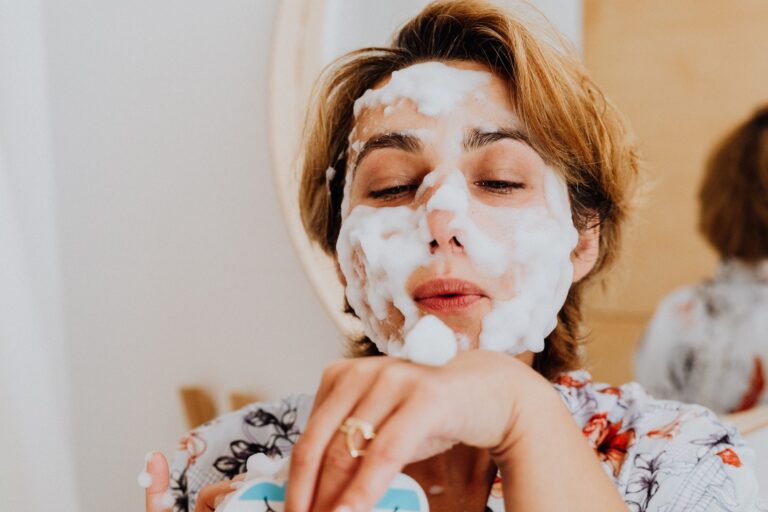
Double cleansing involves using two different cleansers sequentially to remove multiple layers of buildup from your skin. The first cleanser, typically an oil-based product, breaks down oil-soluble impurities like makeup, sebum, and sunscreen. The second cleanser, usually water-based, removes water-soluble impurities like sweat, dirt, and leftover residue from the first cleanser. Together, these two steps address the reality that a single cleanser cannot effectively remove both oil-based and water-based substances simultaneously.
This method originated in Korean skincare practices during the 1960s and 1970s, where the technique became foundational to comprehensive skin routines. Korean beauty brands popularized the method globally during the early 2000s, introducing Western consumers to oil cleansers and cleansing balms that made the first step accessible and appealing rather than heavy or comedogenic, which means pore-clogging.
How Oil and Water-Based Cleansers Work Together
Oil dissolves oil, a principle chemists call “like dissolves like,” making oil-based cleansers particularly effective at removing lipophilic, or oil-soluble, substances. When you apply an oil cleanser to dry skin and massage it gently, it penetrates makeup, sebum buildup, and oil-based sunscreen formulas, breaking them down into smaller molecules that can be easily rinsed away. This first step prevents you from pushing stubborn impurities deeper into pores when you use a water-based cleanser.
Dermatologist Dr. Zein Obagi, known for developing comprehensive skincare systems, emphasized the importance of thorough cleansing as the foundation of any effective skincare routine. Following the oil cleanser with a gentle water-based cleanser removes any remaining oil residue and addresses the water-soluble impurities your first cleanser couldn’t touch, leaving your skin genuinely clean rather than just feeling clean.
The Practical Reality for Busy Mothers
While double cleansing offers legitimate benefits, the actual value depends entirely on your lifestyle, skin type, and daily habits. If you wear full makeup, sunscreen, or both regularly, double cleansing addresses real buildup that a single cleanser struggles to remove completely. However, if you wear minimal makeup or none at all, a single quality cleanser may sufficiently remove the day’s impurities without the extra step.
Time constraints matter significantly when evaluating whether double cleansing fits your routine. The process typically takes three to five minutes, which many mothers cannot spare during their evening wind-down. Streamlined versions exist—some mothers use a cleansing balm or oil as their sole evening cleanser, relying on a quick water-based wash in the morning, effectively capturing some benefits of double cleansing without the full two-step commitment.
The Historical Evolution of Modern Cleansing Methods
Skincare routines have evolved dramatically over the past century as our understanding of skin health and product formulation advanced. Before the 1950s, most people used simple soap and water, which disrupted the skin’s pH balance and Natural oils. The introduction of synthetic detergents in the mid-twentieth century created gentler cleansing options, though many still removed too much natural moisture. By the 1980s, dermatologists increasingly recommended moisturizing cleansers that removed impurities without stripping skin, setting the stage for more sophisticated multi-step approaches.
When Korean beauty culture became influential in Western markets around 2010, double cleansing gained momentum as beauty enthusiasts and professionals recognized its effectiveness. Brands like Banila Co., founded in 2011, specifically designed cleansing balms as the first step of double cleansing, making oil cleansing feel luxurious and approachable rather than heavy or greasy, which transformed how Western consumers viewed the method.
Frequently Asked Questions
Do I really need to double cleanse if I don’t wear makeup?
If you don’t wear makeup, a single quality cleanser typically removes daily impurities like sweat, dirt, and sunscreen adequately. Double cleansing becomes more valuable when you wear makeup, heavy sunscreen, or both regularly, as these products contain ingredients specifically designed to resist water and require oil-based removal.
What happens if I only have time for one cleanser at night?
Using one effective cleanser is significantly better than skipping cleansing altogether or using two mediocre products rushed through in seconds. Choose a cleanser suited to your skin type, massage it thoroughly for at least one minute, and rinse completely rather than hurrying through both steps of double cleansing half-heartedly.
Can I use any oil as the first cleansing step?
Dedicated cleansing oils and balms are formulated to emulsify, meaning they transform into a milky texture when water is added, making them rinse away completely without leaving residue. Cooking oils or unformulated oils may leave a greasy film on skin and potentially clog pores, making professional cleansing products the safer choice despite the additional cost.
Double cleansing delivers genuine benefits for people who wear makeup or heavy sunscreen regularly, but it’s not a mandatory step for healthy skin. The most effective skincare routine is one you’ll actually follow consistently, whether that means embracing a two-step cleanse or perfecting a single-step approach that fits your real life as a mother.
