
Key takeaways
- Baby bangs, cut one to two inches above the brow, mark a shift from years of low-maintenance, lived-in hair styling toward intentional, statement-making fringe.
- Clip-in baby bangs allow temporary experimentation without permanent commitment, while slightly longer versions work as beginner-friendly alternatives to full baby bangs.
- Historical roots span Audrey Hepburn's 1950s fringe and Bettie Page's vixenish style through mod, punk, and grunge eras, now returning on red carpets worn by Zendaya, Dakota Johnson, and Florence Pugh.
- Maintaining baby bangs requires trims every three to four weeks, as millimeter-level changes significantly alter the cut's appearance and polish.
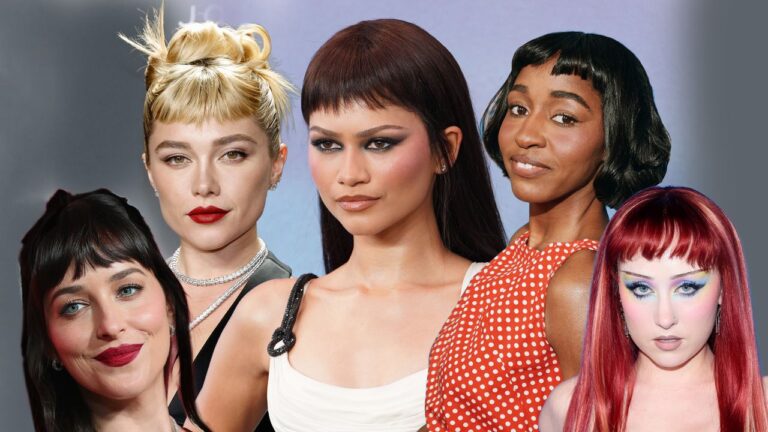
The shorter fringe cutting across foreheads at major events signals a marked shift in red carpet styling. After years dominated by long, face-framing curtain bangs, stars including Zendaya, Dakota Johnson, Florence Pugh, Ayo Edebiri, and Zoë Kravitz have begun experimenting with baby bangs. The trend spans appearances lasting weeks, months, or mere single events, marking a departure from the minimal, “lived-in” aesthetic that defined mainstream hair culture through the mid-2020s.
Defining Baby Bangs and How They Differ From Micro Bangs
Baby bangs sit one to two inches above the brow, according to celebrity hairstylist Charles Love. The key distinction lies in texture and execution. Baby bangs can be blunt, wispy, choppy, piecey, or a combination of approaches, depending on hair texture and face shape. Micro bangs, by contrast, are cut closer to the hairline with a rougher, more defined punky texture. Though the terms get used interchangeably, the difference matters for choosing which suits your features.
The style generates what Adam Federico, hairstylist and vice president of creative development at R+Co, calls a “pow” factor. Introducing short fringe to a classic haircut transforms the entire look and energy instantly. Federico describes this quality as “both innocent and rebellious,” a tension that explains why baby bangs remain a red carpet staple across decades.
Why Stylists Say This Short Fringe Is Having a Moment
A Reaction to Years of Low-Maintenance Styling
For several years, the dominant aesthetic prioritized ease: long layers, curtain bangs, and hair that appeared effortless. Charles Love sees baby bangs as a direct counter to this trend. “People are wearing baby bangs right now as a reaction to the ‘lived-in’ trend,” he explains. “Baby bangs make a statement and if you’re using a clip-in to create a look, it’s totally noncommittal—so why not?”
Franck Izquierdo, co-founder of IGK, reinforces this shift. “For a few years everything was about the lazy-girl or lived-in look: long layers, curtain bangs, hair that looks like you didn’t try,” he says. “Baby bangs are the opposite. It’s a move from low-maintenance to intentional, where people want their hair to have a point of view again.”
The Precision of Short Fringe
Baby bangs demand intention in a way that looser styles do not. Federico frames this return to precision as essential to the trend’s appeal. “It’s a return to intentional haircutting with less reliance on styling and more emphasis on the actual shape—that beautiful intersection of precision, individuality, and rebellion.” The shorter length requires deliberate choices about texture and placement, moving away from the “let it happen” mentality that dominated the previous era.
The Historical Roots of Baby Bangs
This trend did not originate on modern red carpets. Audrey Hepburn’s short 1950s fringe played a pivotal role in her film Roman Holiday, bringing the baby bang into mainstream consciousness, according to Antoinette Beenders, hairstylist and senior vice president of global artistry at Aveda. Bettie Page stands as another historic pioneer, her vixenish fringe still inspiring rockabilly followers today.
Short bangs appeared throughout subsequent decades: the mod 1960s, punk 1980s, and cool-grunge 1990s all claimed versions of the style. Izquierdo views the current return as optimistic. “For me, baby bangs coming back is a good sign,” he says. “It means people are ready to have fun with hair again.”
Testing the Trend Without Permanent Commitment
Clip-In Options for Event Styling
Many celebrities wear wigs and hairpieces rather than cutting actual baby bangs, a choice that preserves styling flexibility. Clip-in baby bangs deliver the drama without permanent alteration. Izquierdo highlights this advantage: “It’s the fastest way to change your whole look without touching the rest of your hair. One small piece and suddenly the face reads totally different: more fashion, more editorial. And with clip-ins, there’s zero commitment. You get the drama for one night and take it out the next morning.”
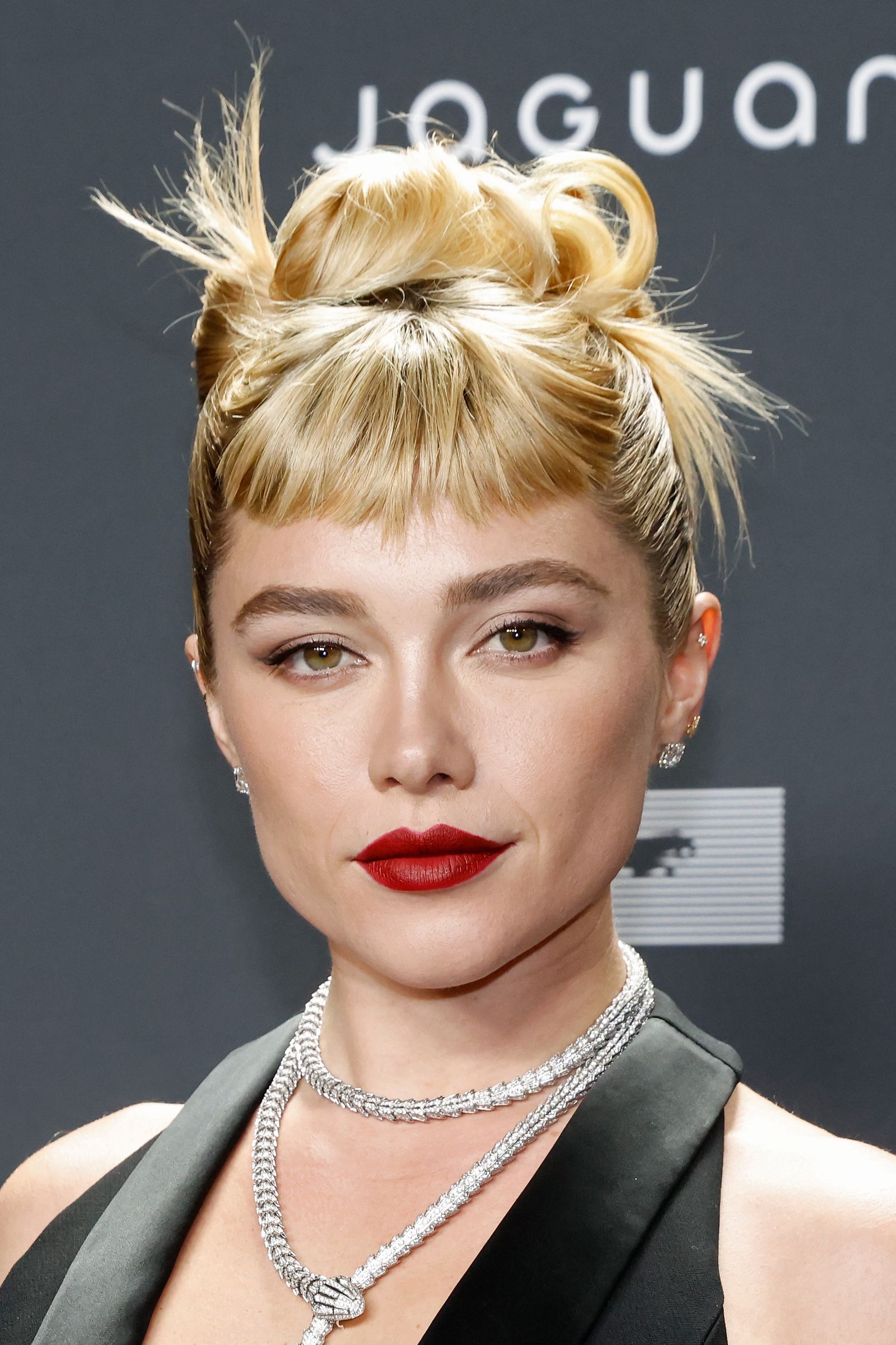
Beenders appreciates the contrast between a polished updo and slightly imperfect short bangs, similar to Florence Pugh’s appearance at a recent Jaguar event. This juxtaposition creates editorial impact through the interplay of refined and undone elements.
A Longer Fringe for First-Timers
Jennifer Lawrence and Dakota Johnson’s fringe versions sit slightly longer than a traditional baby bang, creating what Izquierdo calls “the bridge between a classic fringe and a baby bang.” This length carries a “cool, slightly French, ’60s feeling” and proves easier to style, plus it sweeps to the side when you need a break from the fringe look. Izquierdo recommends this intermediate length for anyone hesitant about diving into full baby bangs. “If you’re curious about baby bangs but nervous, start [with that longer length]. You can always go shorter next time.”
Finding Your Length and Maintaining the Cut
Determining the Right Placement for Your Face
Beenders suggests a low-tech approach to testing placement: hold your hand horizontally across your forehead and move it up and down to find the length that flatters your features most. Baby bangs have an elongating effect on the face, a quality that contributes to their current popularity.
Trim Schedule and Upkeep
Maintaining short bangs requires regular attention. Federico recommends a trim every three to four weeks. “A few millimeters really change everything with a bang this short,” he notes. The precision of the cut means even minor growth becomes noticeable, making consistent maintenance essential to keeping the style polished.
Source: Allure
Frequently Asked Questions
What's the difference between baby bangs and micro bangs?
Baby bangs sit one to two inches above the brow with varied textures ranging from blunt to wispy, while micro bangs are cut closer to the hairline with a rougher, more defined punky texture. Both terms get used interchangeably, but the placement and texture execution differ.
Can I try baby bangs without cutting my hair?
Yes. Clip-in baby bangs let you change your look for a single event or day with no permanent commitment. You can also start with a slightly longer fringe version, like those worn by Jennifer Lawrence and Dakota Johnson, which acts as a bridge between classic fringe and full baby bangs and can be swept to the side when needed.
How often do baby bangs need trimming?
Adam Federico recommends trimming every three to four weeks. A few millimeters of growth significantly change the appearance of short bangs, so regular maintenance is essential to keep the cut looking polished and intentional.
