
Key takeaways
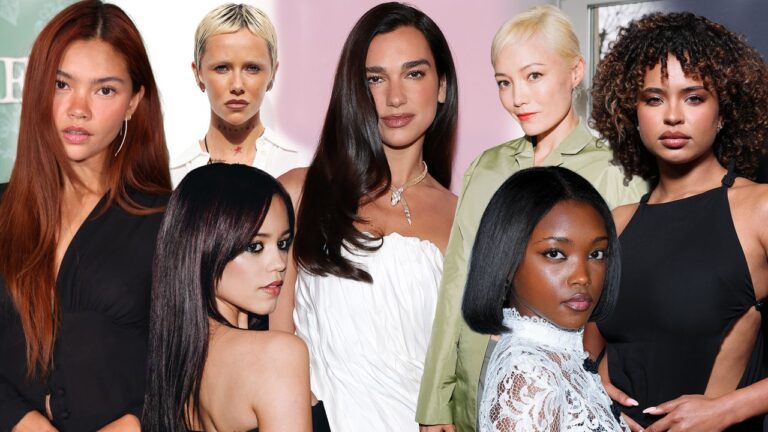
- Collarbone-length bobs and one-length cuts dominate with sharp perimeters and intentional shape for boardroom polish.
- Deep colors like black cherry, chestnut red, and dark mocha brunette replace bright tones with sophisticated undertones that shift in light.
- Blonde options split between pale vanilla for icy elegance and buttered almond for cozy warmth with less maintenance.
Hair has become a language of power this winter. The short, practical cuts, the deep colors revealing their secrets in sunlight, the carefully calibrated layers—they’re not random fashion choices. According to Allure’s coverage of 2026’s winter trends, they’re deliberate statements about capability and confidence.
Boardroom-Ready: The Collarbone Lob
A cut that lands at or just above the collarbone remains one of winter’s most adaptable options. Sunnie Brook, a Los Angeles-based hairstylist, describes it as a cut that communicates “I’m too busy running things to have long hair” while maintaining polish. “I love the relationship between this length and clothing,” she explains. “It can skim the collar of a beautiful coat, sit against a turtleneck, or expose the shoulder of an evening dress.” The versatility extends to how stylists construct the cut.
Why This Length Resonates
Richard Mannah, a London-based hairstylist, expects significant adoption of collarbone-length hair this winter. “I think we’ll see a lot more hair settling around the collarbone, but with a much more intentional shape,” he says. “Think of a length that grazes the collarbone with a strong, clean perimeter, while the interior has just enough soft movement and layers to keep it from feeling heavy.” The appeal lies partly in its readiness—a look that requires intentional styling but rewards that effort with visible structure.
Tailoring the Cut to Your Hair Type
The details matter. Brook recommends choosing a length based on your actual collarbone and neckline rather than requesting a generic length. For fine hair, ask for internal movement that adds volume. For thicker or textured hair, remove volume from the interior while preserving the outside perimeter. “Tell your stylist you want the shape to expose and frame the neck and décolletage rather than simply asking for a lob,” she advises.
Precision Cuts for Authority
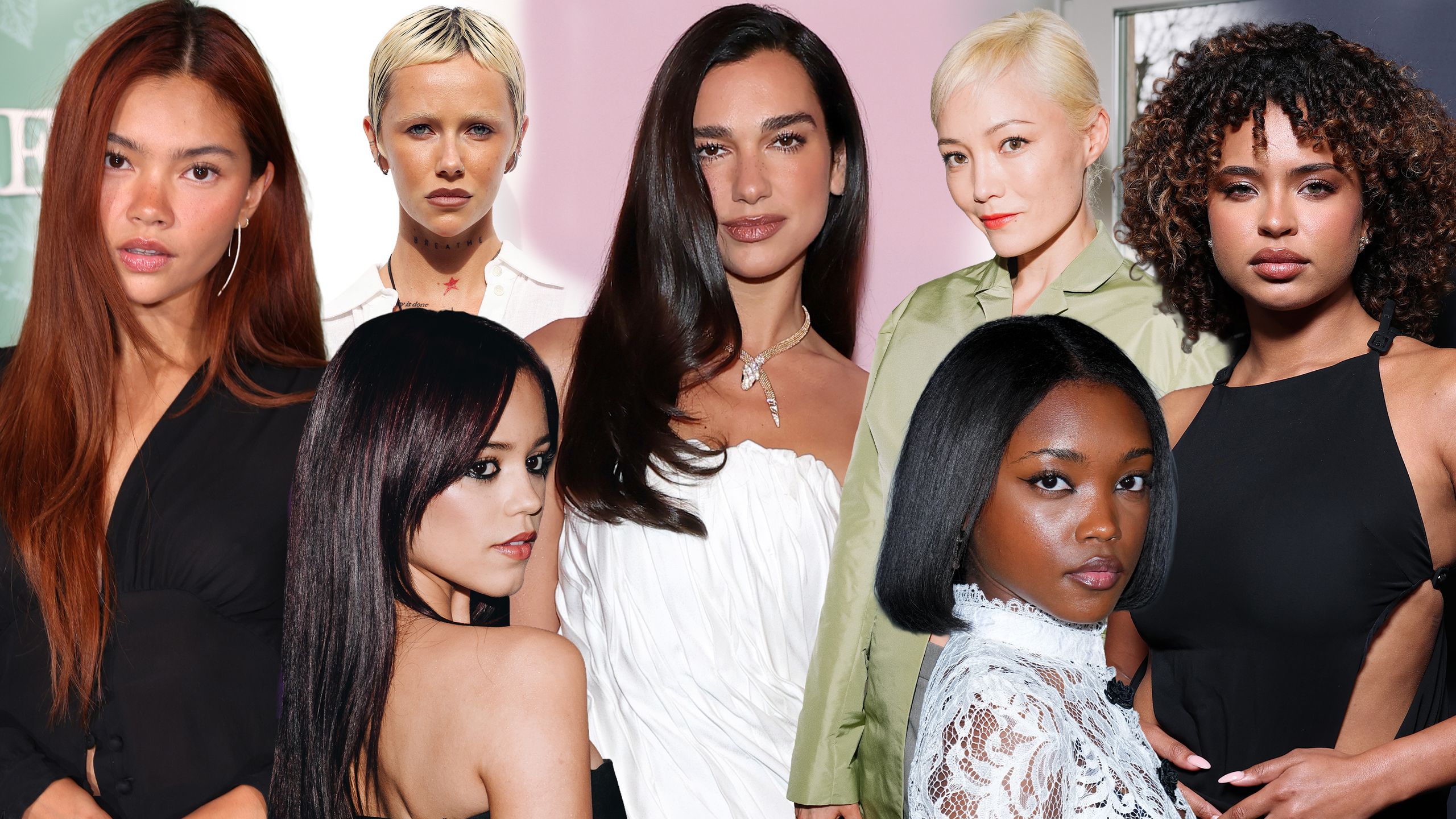
When longer hair feels spent, several options replace it with shape-forward alternatives.
The One-Length Reset
If the shags and layers of 2025 have grown stale, a straightforward one-length cut offers a clean break. Adam Federico, a Sacramento-based hairstylist and VP of technical education for R+Co, recommends requesting “a strong one-length perimeter with very minimal or invisible layering. The ends should feel substantial rather than wispy.” This approach works especially well on medium or thicker hair types that have natural volume and don’t need layers for lift. Finer hair, however, may find this style reads as too flat.
The Power Bob
The power bob sits somewhere between the jaw and shoulder, characterized by what Miami-based hairstylist Franck Izquierdo calls “a very strong blunt line. We’re ready for hair that feels done again.” Veronica Zinck, a Nashville-based hairstylist, notes the cut’s geometric benefits: “A bob can do wonders to highlight your jawline. This cut has very little layering. It’s about precision and creating weight in exactly the right place.” Izquierdo’s guidance is specific: ask for a strong super-blunt bob with little to no graduation and a solid perimeter.
The Pixie Reimagined
For a completely different statement, the pixie brings the entire face forward. Sarah Hindsgaul, a hairstylist who favors winter’s pixies sleek and sophisticated (citing 1960s references like Jean Seberg and Mia Farrow), advises that “the shape is clean and daring, but never rigid or over-groomed.” If you want to soften the tidiness, ask for a few longer or irregular pieces to add texture and playfulness, either slicked back with gel or texturized with cream.
Deep, Dimensional Color Trends
Color this winter trades brightness for depth and revelation—shades that shift in different light.
Black Cherry and Wine Undertones
Black cherry presents as nearly black at first glance, then reveals its true nature in better light. According to Allure’s reporting, this color works as “a super-deep brunette with a red-violet undertone.” Chase Kusero, a Los Angeles-based hairstylist, explains the effect: “Indoors, it almost reads as a glossy brunette, but when the light hits it, you see wine or cherry tones come through. It’s dark and sexy without being a flat black.” Larisa Love, also based in Los Angeles, recommends starting with a deep brunette base and adding transparent red-violet tones over it. “Sometimes I’ll add a few ribbons underneath so the color catches differently,” she says. The critical element across both approaches is maintaining dimension—avoiding a single, heavy, opaque color.
Chestnut Red: Maturity in Color
Chestnut red functions as a grown-up version of lighter reds. Rather than apricot or strawberry blonde tones, this shade signals maturity and sophistication. Renée Valerie Radoiu, a New York City-based colorist, frames it as part of a broader evolution: “We’ve seen red and copper dominate for several seasons, and this feels like their moodier evolution for winter. There’s still a desire for statement color, but it’s becoming richer and more sophisticated.” Kusero’s instruction for achieving it is direct: “Ask your colorist for a true saturated copper, not auburn and not strawberry blonde. The key here is depth. The base needs to be even first. Then I’d use a copper formula from roots through ends rather than creating lots of highlight contrast.”
Dark Mocha Brunette
For those drawn to mystery, dark mocha brunette provides a deep, glossy shade with warm chocolate undertones that emerge only in specific light. Leslie Shores, a Nashville-based colorist, describes it as “a deep dark glossy mocha brunette shade that features undertones of warmth.” Julien Farel, a hairstylist with locations in New York City and Palm Beach, Florida, highlights a practical advantage: “It requires no lifting, so it does virtually no structural damage, and the grow-out is soft rather than a hard line.” For those extending time between color appointments, this matters. “In a period where people are extending time between appointments, a color that costs the hair nothing and grows out gracefully is enormously appealing,” he adds. There’s also an aesthetic bonus: “It also photographs beautifully in low winter light.”
Winter Blonde: Two Distinct Paths
Blonde splits into two clear directions this season, each conveying a different sensibility.
Vanilla Blonde for Icy Elegance
Winter vanilla sits between icy platinum and golden blonde, landing in what Kusero calls “soft ivory, a little beige, very clean and expensive-looking.” Richy Kandasamy, a New York City-based hairstylist, recommends requesting “a luminous champagne blonde with a soft pearl finish, diffused roots, and brighter light around the face.” He adds an important clarification: “Be clear that you want dimension and warmth—not a solid platinum or a smoky gray blonde.” Most clients will need a color lift as a first step to reach this tone.
Buttered Almond for Cozy Warmth
A step or two deeper and slightly less maintenance-heavy, buttered almond is a soft beigey blonde with almond or honey tones throughout. Austin-based hairstylist Ricky Hodge frames it as a cozy winter option for those who want brightness without the upkeep of pale blonde: “It still gives you the brightness people want from being blonde, but it has enough warmth and dimension to feel expensive rather than overly processed.” Jenna Perry, a New York City-based colorist, outlines the placement strategy: “Ask for a soft creamy almond blonde with a natural root and beige-gold dimension. I would keep some natural depth at the root and create fine, blended highlights through the mid-lengths and ends. The placement should be delicate around the face, with slightly deeper pieces underneath to keep the blonde dimensional.”
The Disco Shag for Movement
Not every winter look prioritizes precision. The disco shag offers freedom through layering and texture, short layers around the face gradually opening into longer lengths with a fringe that adds rocker attitude. Tippi Shorter, a Kansas City-based hairstylist, recommends this cut primarily for those with wavy, curly, or coily hair of medium to high density. “Find a curl specialist for this cut,” she advises, “because the exact layer placement has to change with the curl pattern. Someone with a loose wave shouldn’t receive the exact same layering map as someone with significant shrinkage.” Garren, a New York City-based hairstylist, emphasizes the fringe: “The fringe is what makes it cool and gives it that rocker feeling.”
Consulting With Your Stylist
The distance between a photo and the right cut for your hair type is real. Every recommendation here comes with a caveat: the expert knows your hair, your lifestyle, and your collarbone better than any trend report. When you arrive at your appointment, bring specifics. Don’t ask for “a lob”—describe what you want the cut to do with your neck, your clothing, and your daily routine. Don’t ask for “red”—narrow the undertone, the depth, and the dimension. The stylists quoted across Allure’s coverage emphasize that their cuts and colors succeed through intention, not accident.
Source: Allure
Frequently Asked Questions
What exactly is the collarbone lob and why is it trending this winter?
The collarbone lob is a cut that lands at or just above the collarbone, characterized by a strong, clean perimeter with soft internal movement and layers. It adapts to different clothing like coats, turtlenecks, and evening dresses while maintaining polish. Stylists recommend tailoring the length to your actual collarbone rather than requesting a generic length.
How do I ask my colorist for black cherry hair?
Ask for a deep brunette base with transparent red-violet tones layered over it, sometimes with ribbons underneath to catch light differently. The key is maintaining dimension rather than applying one heavy opaque color. Indoors it reads as glossy brunette, but in natural light it reveals wine or cherry undertones.
What's the difference between vanilla blonde and buttered almond?
Vanilla blonde is pale, ivory, and beige—a creamy soft tone that reads expensive and icy. Buttered almond is a step or two deeper with beige-gold and honey tones throughout, offering warmth and dimension while requiring slightly less maintenance. Both are dimensional, but vanilla aims for an aloof aesthetic while buttered almond conveys coziness.
