
Key takeaways
- Three women about to be released from Rikers Island received professional hair and makeup transformations through Beauty Beyond Bars, a nonprofit founded by criminal justice advocate Lea Nepomuceno.
- Women incarcerated at Rosie's lack access to basic hair oils, getting only heavy grease instead, while commissary foundation costs $11.
- To maintain their appearance, women create eye shadow using deodorant and magazine pages, melt soap bars for gel, and thread eyebrows using tampon strings.
- The program revealed both the emotional impact of care and dignity for soon-to-be-released women and the ongoing systemic concerns at a facility facing 719 sexual assault lawsuits.
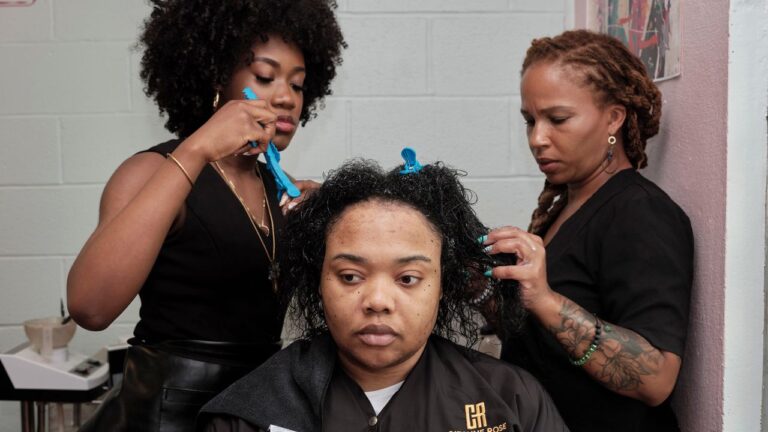
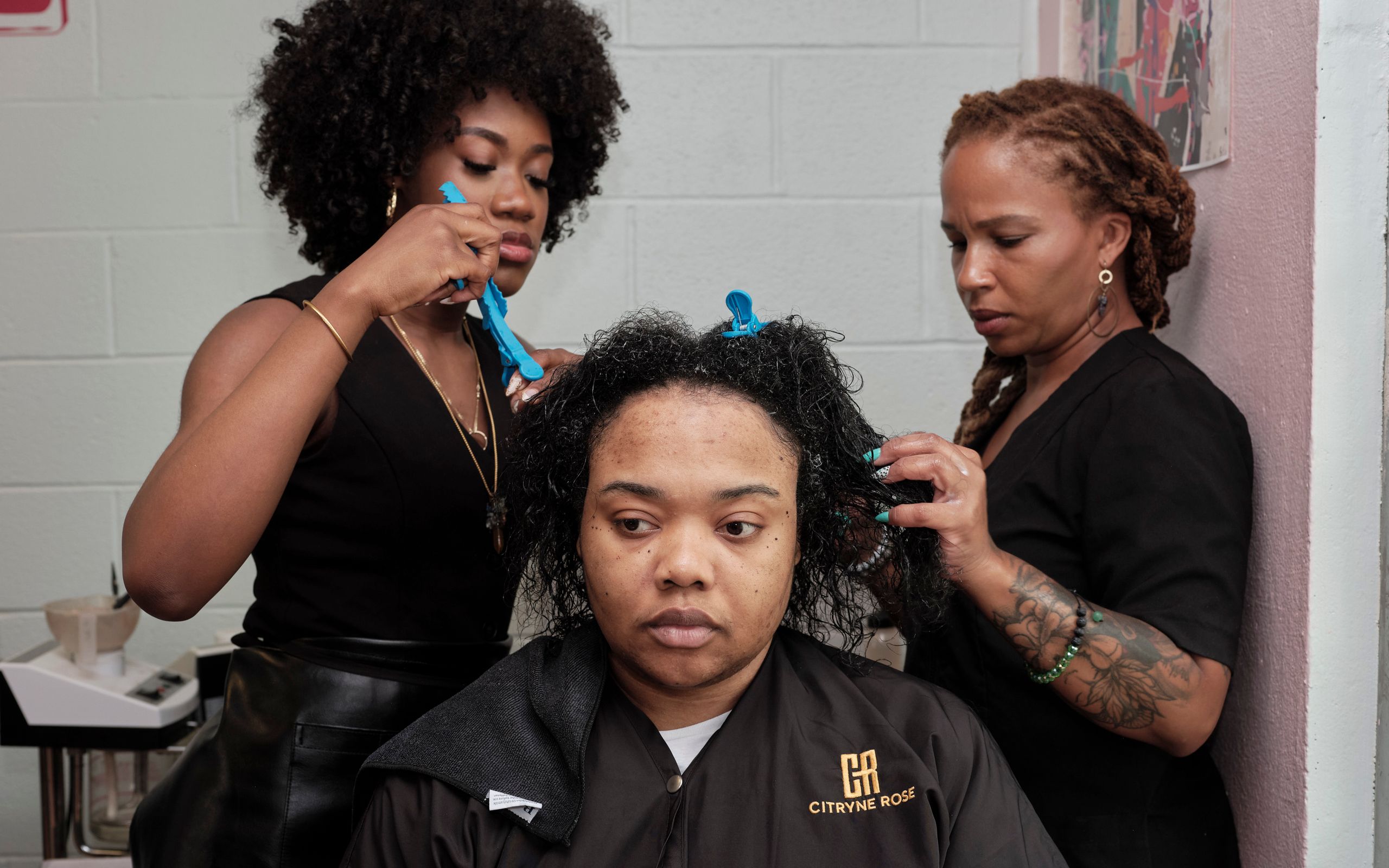
On Rikers Island’s Rose M. Singer Center, a one-day pilot program brought professional beauty services to incarcerated women about to be released. Beauty Beyond Bars, a nonprofit founded by 21-year-old criminal justice reform advocate Lea Nepomuceno, partnered with Citryne Rose, a Manhattan salon led by hairstylist Julie Dastine, along with makeup artist Maricela Saucedo, to offer hair and makeup transformations. The salon was set up in the facility’s recreation area, where vocational programs and educational classes run. The setting bore little resemblance to a typical beauty space: polycarbonate mirrors, which prevent shattering and misuse, replaced traditional glass; armed guards stood outside the door; and visitors required security clearance comparable to airport screening.
Three Women Awaiting Release
Three participants entered the salon knowing of the program only moments before their arrival. Daesha Holloman, 31, will be released in November. Adia Charles, 28, has navigated Rosie’s with minimal hygiene options. Lizette Lugo, 47, was released the day after the program; she has spent six months at Rosie’s working as a suicide-prevention aide, earning commissary funds to purchase her own beauty products. Each woman entered with hopes tied to their transformations.
The Hair Transformations
Holloman’s Journey from Hijab to Bob
Holloman had worn a hijab on and off for six years. Dastine found what lay beneath: severely tangled hair lacking proper care. “The only thing I have access to is shampoo and grease, and a comb that’s thinner than this,” Holloman said, pointing to an already tiny brush. Dastine chose a silk press followed by a trim, resulting in a sleek long bob. When Holloman swung the finished style side to side (what stylists call “activating” the cut), corrections officers outside the salon erupted into cheers, some with tears in their eyes.
Charles’s Locs: Refreshing Five Years of Color
Charles had worn locs for nearly five years, unable to maintain them properly while incarcerated. Her locs carried color: half red, half blonde. Dastine chose to refresh that color and create a twist-out, giving Charles’s hair new dimension. Charles has aspirations of becoming a barber after her release.
Lugo’s Gray Coverage
Lugo, who was released the day after the program, had a specific request: blonde hair to cover the grays that accumulated during her six months inside. She requested the Ardell brand of false lashes, a luxury given that her only prior makeup experience had come from mall kiosks. Lugo had received dentures from Rosie’s basic dental services when she arrived, having been without teeth for three years, adding another layer to her transformation.
Product Access and Commissary Reality
Charles explained the cycle: “I just shampoo and condition my hair. The water is pretty hot here, so it dries out my hair.” No oils were accessible for her locs, only hair grease, which she described as heavy and weighing down her hair. Holloman elaborated on makeup options: “The foundation is not the best quality, and we use sponges that you clean with, not sponges you’re supposed to use for your face. So I don’t know how I would feel doing makeup here. It’s not the same as having concealer and access to regular things.”
The Commissary Price Point
Lugo regularly purchases makeup to supplement facility-provided items. Foundation from the commissary costs about $11. She buys CoverGirl and L’Oreal eye shadow, mascara, and eyeliner. The facility also sells ChapStick and Wet n Wild lipstick. However, Lugo doesn’t wash her hair frequently because, she said, the available shampoo burns her scalp. Getting her hair washed today, she described as “a luxury.”
Beauty Improvisation Behind Bars
When official products run short, women on Rosie’s devise alternatives. Some rub deodorant against colored pages from magazines to create eye shadow. Charles revealed another technique: “They melt down the bars of Corcraft [soap] and it becomes a thick gel consistency. They use that for edge control or gel.” Corcraft is a prison employment program that produces items like hand sanitizer and street signs at around $0.65 per hour.
Threading and Eyebrow Care
Beauty skills circulate through the population. Women have learned to thread eyebrows using tampon strings. Lugo had gotten her eyebrows threaded multiple times during her stay: “Sometimes you have to give [the threader] commissary, and sometimes they do it to pass the time. Or you make friends and they do it for you, just for one another so we look good.” These exchanges, whether transactional or friendship-based, represent how incarcerated women maintain their appearance.
The Emotional Weight of Transformation
As Dastine and Saucedo worked, the women’s initial nervousness (natural in a setting with corrections officers, administrators, and cameras) began to subside. Being filmed for Beauty Beyond Bars’ social media had made them tense at first, but as the day unfolded, they opened up about their lives and aspirations.
Holloman voiced the psychological toll of incarceration: “The Department of Corrections can [make] you lose yourself, for a lack of better words. You have to be strong enough to not fall into the dehumanizing situation. You have to look at the end of the tunnel. It’s hard. I have my days where I forget I am going home.” Her daughter was just four months old when Holloman was sent to Rikers Island.
After their transformations were complete, the women changed out of their uniforms into donated professional clothing from Rosie’s “boutique,” a small closet of contributed attire. Polaroid headshots were taken of each woman, to be mailed to their families. Lugo, receiving her photo as tangible proof of her transformation, joked about surprising her son: “I wonder if he’ll know it’s me, because I look totally different [from my mugshot].”
The program offered a day of care and dignity for three women soon to be released. According to the New York City Council, as of June 13, 2026, approximately 84 percent of Rikers Island inmates have not yet been convicted. In 2024, 719 sexual assault lawsuits were filed against the Department of Correction by female inmates, with claims reaching back to 1976. These figures illustrate the systemic concerns at the facility that extend beyond one day’s programming.
Source: Allure
Frequently Asked Questions
What hair transformation did Adia Charles receive?
Charles, who had worn locs for nearly five years dyed half red and half blonde, received a color refresh and twist-out styling from hairstylist Julie Dastine.
Why did Daesha Holloman wear a hijab during her time at Rikers?
Holloman had worn the hijab on and off for six years. When it was removed for her makeover, Dastine found severely tangled hair lacking proper care.
What beauty items can women buy from the Rikers commissary?
Women can purchase foundation (about $11), CoverGirl and L'Oreal eye shadow, mascara, eyeliner, ChapStick, and Wet n Wild lipstick from the commissary.
