
Key takeaways
- The FDA approved bemotrizinol (BEMT) on June 9, marking the first major sunscreen ingredient approval since 1999.
- BEMT enables lighter, less greasy formulations by delivering high SPF and UVA protection at lower active ingredient concentrations.
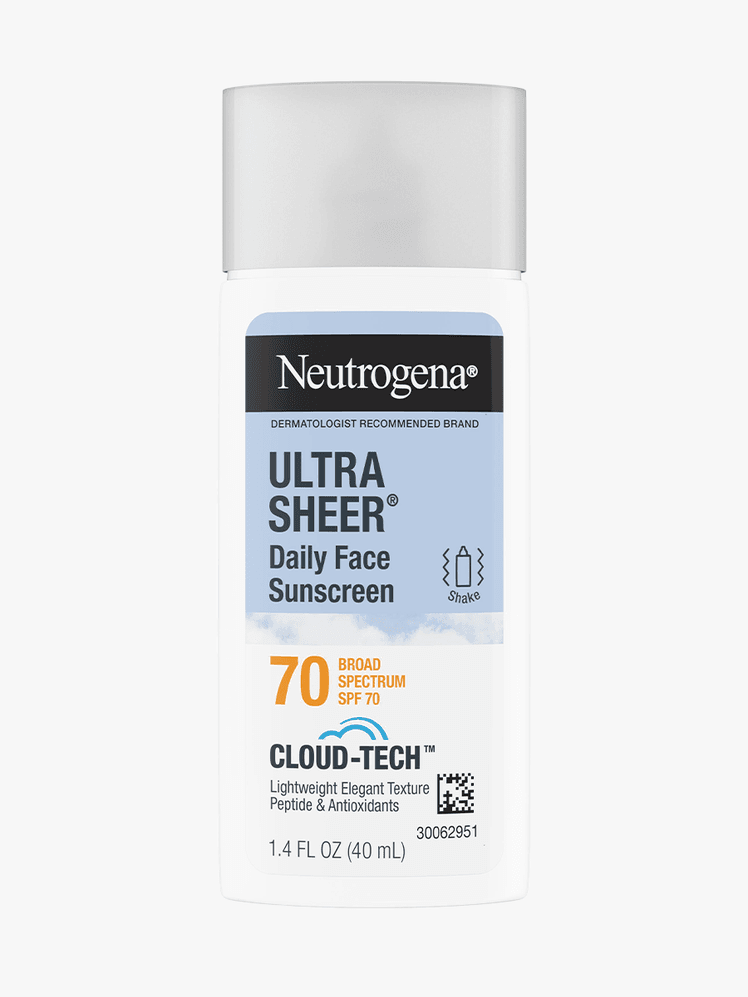
- Three BEMT sunscreens launched in September: Ultra Violette Unblock SPF 50, Neutrogena Clear Face SPF 60, and Neutrogena Ultra Sheer SPF 70.
On June 9, the U.S. Food and Drug Administration approved bemotrizinol—commonly known as BEMT—as a new active sunscreen ingredient for over-the-counter use. This marks the first major sunscreen-related approval since 1999, a gap of 25 years that underscores how far behind the American market has fallen in sun protection innovation.
The FDA designation means BEMT is now Generally Recognized As Safe and Effective (GRASE) for adults and children six months and older. According to the agency, BEMT provides protection against both ultraviolet A and B rays while maintaining low levels of absorption through the skin into the body—a critical safety consideration for any systemic ingredient.
Why America Has Fallen Behind
The reason American consumers have had access to fewer sunscreen options than their international counterparts lies in regulatory structure. In the United States, sunscreen is classified as a drug rather than a cosmetic, requiring rigorous Food and Drug Administration testing before market approval. Other countries, including Japan and much of Europe, regulate sunscreen as a cosmetic product, allowing for faster ingredient adoption.
This regulatory difference has left U.S. formulators with what cosmetic chemist Kelly Dobos describes as a “pretty limited toolbox.” While Japan permits chemists to work with more than 30 approved sunscreen filters, American companies have had access to just 16 active ingredients, with only eight seeing widespread use in commercial formulations. The consequence: American consumers have faced fewer choices and slower innovation in a category where protection is medically necessary.
FDA Commissioner Marty Makary acknowledged this lag in a December 2025 statement, saying the agency was “continuing to modernize the regulation of sunscreen and other over-the-counter drug products.” He added, “Americans deserve timely access to the best safe, effective, and consumer-friendly, over-the-counter products available.”
The 20-Year Journey to Market
Getting BEMT approved was not a quick process. The ingredient is manufactured by DSM-Firmenich, which spent 20 years pushing for FDA clearance and invested approximately $20 million in the effort. Dobos, who attended the 2025 Sunscreen Symposium, credits this long timeline and financial commitment as evidence of how seriously the manufacturer took the regulatory pathway.
Now that approvals are final, cosmetic chemists can officially add BEMT to their formulation arsenal, opening new possibilities for sun protection products.
How BEMT Works: The Chemistry Behind Better Protection
Dual Absorption Peaks for Broad Spectrum Coverage
BEMT distinguishes itself through its unique absorption profile. Unlike older sunscreen filters that require high concentrations to achieve adequate SPF ratings, BEMT provides what Dobos calls “true broad-spectrum protection with two distinct absorption peaks, one in the UVA range and one in UVB.” This dual mechanism means a single ingredient can defend against both sunburns (UVB damage) and photoaging (UVA damage) more efficiently than traditional formulas required.
Lower Active Concentrations, Same Protection
The efficiency advantage extends to formulation. Because BEMT works so effectively at lower concentrations, cosmetic chemists can achieve high SPF and UVA protection targets without needing to pack formulations with as many active ingredients. This opens doors to lighter, more elegant textures—a significant quality-of-life improvement for daily sunscreen users who have traditionally struggled with heavy, greasy products.
Transparency on the Skin
As an organic filter (like avobenzone and homosalate), BEMT is transparent when applied to skin, eliminating the white cast that mineral sunscreens leave behind. Combined with its ability to work at lower doses, this transparency means brands can formulate products that feel less occlusive while still delivering robust protection.
Industry Support and Medical Backing
The American Academy of Dermatologists has been advocating for expanded sunscreen options for years. Susan C. Taylor, M.D., FAAD, immediate past president of the AAD, issued a statement in December supporting BEMT’s approval, noting that “one in five Americans will develop skin cancer in their lifetime.” She emphasized that “the United States lags behind many other countries that have nearly twice as many approved sunscreen ingredients.”
This medical endorsement reflects a broader dermatological consensus: more tools for sun protection benefit public health.
The First Products: What’s Available Now
By September, three sunscreens containing BEMT had arrived in U.S. retailers, each pairing the new ingredient with established filters for comprehensive coverage.
Ultra Violette Unblock Screen SPF 50 Breakout-Friendly Skinscreen combines BEMT with zinc oxide, formulated as a semi-matte product specifically designed for oily and acne-prone skin. The inclusion of zinc provides additional soothing benefits for compromised skin barriers.
Neutrogena Clear Face Sunscreen Acne-Prone Skin Broad Spectrum SPF 60 also targets acne-prone skin, pairing BEMT with avobenzone, octisalate, and homosalate for full-spectrum protection. The multi-filter approach ensures coverage across the entire UV spectrum.
Neutrogena Ultra Sheer Daily Face Sunscreen Broad Spectrum SPF 70 rounds out the trio with the highest SPF of the three launch products. It combines BEMT with the same avobenzone, octisalate, and homosalate blend as the Clear Face version, while adding peptides and antioxidants for additional skin-conditioning benefits.
All three products represent a shift toward more refined sunscreen textures and better skin feel—benefits Dobos expects to expand as more brands launch BEMT-containing formulas.
What This Means for Sunscreen Users
For consumers, BEMT approval signals that American sunscreen formulation is finally catching up to global standards. Expect to see:
- Lighter, less greasy formulations that don’t feel occlusive under makeup
- Better UVA protection at lower active ingredient concentrations
- More product options designed for specific skin types (oily, acne-prone, sensitive)
- Continued innovation in the broader sunscreen category as chemists gain access to new tools
The regulatory approval also validates what international consumers have known for years: that expanding the sunscreen ingredient palette improves both efficacy and user experience.
Dobos expressed genuine excitement about the approval’s potential, reflecting on decades of watching sunscreen innovation stall in the U.S. market. “Many times in the past, I felt like Charlie Brown when Lucy pulls that football away just as he’s about to attempt a kick, as progress would start and stall,” she said. “I’ve been following this my entire career.” Now that BEMT is finally approved, that long wait appears to be paying off.
Frequently Asked Questions
What is BEMT and why is its FDA approval significant?
BEMT (bemotrizinol) is a new sunscreen filter approved by the FDA on June 9 that provides broad-spectrum protection against both UVA and UVB rays. This is the first major sunscreen ingredient approval in the U.S. since 1999, ending a 25-year gap in regulatory advancement.
How does BEMT change sunscreen formulation compared to existing ingredients?
BEMT has two distinct absorption peaks in the UVA and UVB ranges, allowing chemists to achieve high SPF and UVA protection targets at lower active ingredient concentrations. This enables lighter, less greasy textures that feel more elegant on skin and are transparent when applied.
Which sunscreens with BEMT are currently available in the U.S.?
Three BEMT sunscreens arrived in September: Ultra Violette Unblock Screen SPF 50 (zinc-BEMT for oily skin), Neutrogena Clear Face SPF 60 (for acne-prone skin), and Neutrogena Ultra Sheer SPF 70 (with peptides and antioxidants).
