
Key takeaways
- Estrogen decline during perimenopause reduces skin's water retention capacity and triggers a 30% collagen loss in the first five years, causing visible dryness and loss of elasticity.
- Dermatologists recommend pairing humectants like glycerin and hyaluronic acid with barrier-supporting ceramides and niacinamide, applied to damp skin in a layered routine.
- Specific ingredients like bakuchiol, viniferine, and marine-based retinol alternatives provide anti-aging benefits with less irritation than traditional options, making them suitable for reactive menopausal skin.
- Applying products in the correct order—humectant on damp skin, then treatment layer, then occlusive moisturizer—is more effective than relying on a single moisturizer.
When estrogen levels drop during perimenopause, your skin tells you first. That sudden dryness, tightness, and loss of bounce isn’t in your head—hormonal shifts directly weaken your skin barrier’s ability to hold water, and they can reduce collagen by as much as 30% in the first five years alone. The result is skin that looks and feels depleted, sometimes overnight.
The good news: the right moisturizer combined with a structured routine can restore hydration and reinforce the barrier. Below, dermatologists explain what your skin needs and which formulas they recommend for getting it.
Why Perimenopause Causes Dry Skin
The science is straightforward. As estrogen declines, transepidermal water loss increases, meaning more moisture escapes from your skin. Dr. Kseniya Kobets, a board-certified dermatologist in Elmsford, New York, explains: “As estrogen declines, the skin loses some of that water-holding capacity and transepidermal water loss increases, so it can become thinner, drier, and less elastic.”
Oil production may also decrease, but that’s not the whole story. Dr. Divya Shokeen, a board-certified dermatologist in Manhattan Beach, California, notes that menopausal dryness involves more than reduced sebum. This double hit—less water retention and a compromised barrier—requires a two-pronged approach.
Collagen loss compounds the problem. According to Dr. Kobets, collagen can decline by as much as 30% during the first five years after menopause and then continues to decrease more gradually. This structural loss shows up as sagging, fine lines, and loss of firmness across the face and neck.
The Ingredients Your Barrier Needs
Humectants Draw Water In
The foundation of any menopausal routine is humectants. According to Dr. Shokeen, glycerin and hyaluronic acid draw water into skin most effectively when applied to damp skin, maximizing their hydrating potential.
Ceramides and Niacinamide Lock It Down
Once water is in your skin, you need to keep it there. Ceramides rebuild the lipid barrier, while niacinamide supports barrier repair. Dr. Kobets describes the strategy: “Look for a combination of humectants, which draw water into the skin, and barrier-supporting or occlusive ingredients that help keep it there.” Layer them as you would dress for cold weather—thin pieces under a heavy coat.
Peptides and Alternatives for Aging
Peptides offer anti-aging benefits without requiring you to overhaul hydration. Marine-derived retinol alternatives and bakuchiol, a plant-derived ingredient, provide retinol-like benefits with less irritation. Acetyl hexapeptide-8 may help limit muscle contractions that deepen expression lines, while micropeptides can theoretically penetrate skin more effectively to support collagen.
Moisturizers Worth Adding to Your Routine
Lightweight Formulas for Daily Wear
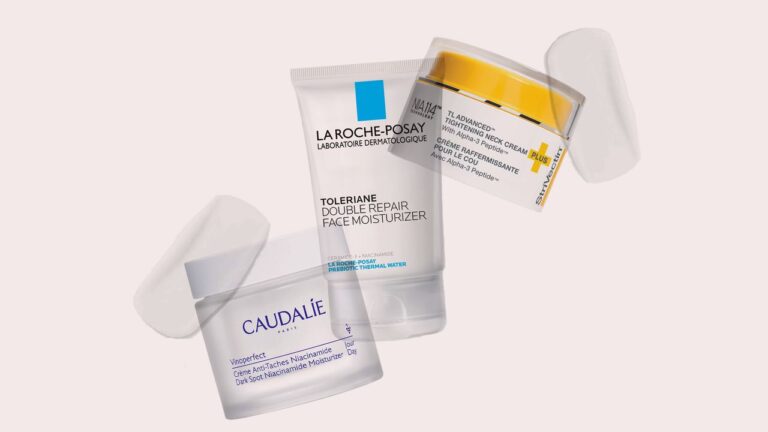
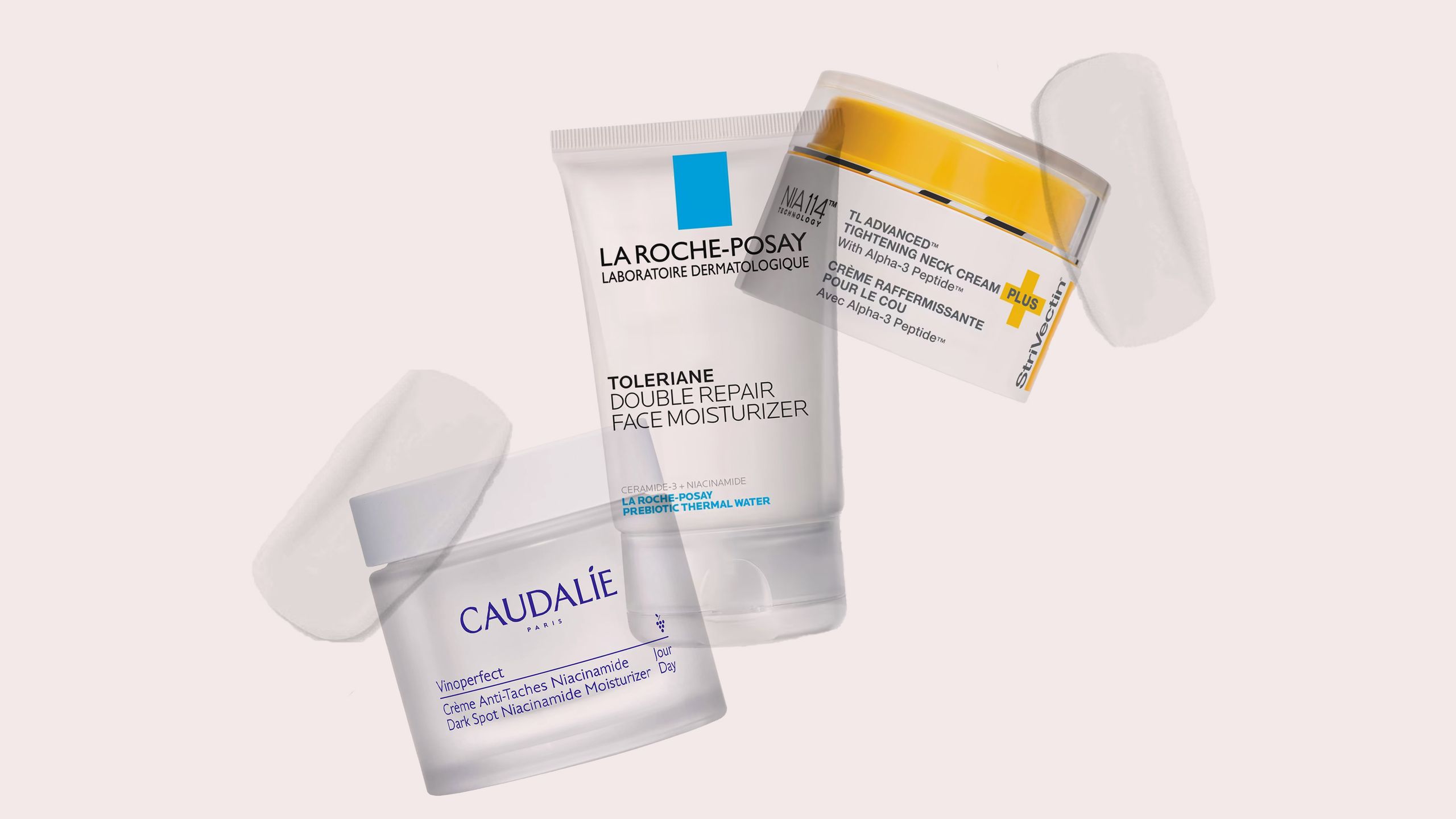
La Roche-Posay Toleriane Double Repair Face Moisturizer combines glycerin with ceramides and niacinamide in a lightweight formula. Dr. Kobets recommends it for reactive skin: “I like it for dry, sensitive, or easily irritated skin because it focuses on hydration and barrier support without trying to make the moisturizer do everything.”
EltaMD UV Skin Recovery SPF 50 multitasks as moisturizer and sunscreen. This mineral formula includes Centella asiatica to soothe redness, amino acids for barrier support, and ceramides for hydration retention. Cosmetic chemist Amanda Lam, based in Los Angeles, notes the texture “creates a nice skin feel that is unlike more common mineral sunscreens,” with no chalky cast.
Nighttime Treatments With Anti-Aging Power
La Mer The Rejuvenating Night Cream won Allure’s Best of Beauty for combining the brand’s Miracle Broth, fermented sea kelp and minerals, with MRA-3 (marine retinol alternative) and lime tea concentrate for antioxidant protection. Fair warning: the fragrance is noticeable if you’re scent-sensitive.
Neutrogena Collagen Bank Moisturizer also won Best of Beauty. It uses micropeptides to support collagen and elastin, plus bakuchiol for fine lines and tone without traditional retinoid irritation. At under $30, it delivers serious anti-aging benefits affordably.
A multipurpose moisturizer with acetyl hexapeptide-8 targets deep-set wrinkles and texture specifically. Niacinamide and zinc PCA provide hydration, while the creamy gel texture delivers immediate softening.
Targeted Solutions for Special Areas
Caudalie Vinoperfect Moisturizer addresses sun spots and dullness during perimenopause. Viniferine, a polyphenol-rich antioxidant derived from grapevine sap, can reduce the appearance of dark spots by interfering with pigment production. Hyaluronic acid and niacinamide provide hydration and barrier support, while pearlescent particles offer an instant soft-focus glow.
The neck requires dedicated care. It has thinner skin and fewer oil glands than the face, making it prone to crepiness and laxity. StriVectin TL Advanced Tightening Neck Cream targets these concerns with the proprietary Alpha-3 Peptide plus spilanthol, a plant-derived ingredient that gives quick temporary tightening while peptides work over time. Results build gradually, though topical creams cannot address structural sagging.
How to Layer Your Routine
Applying moisturizers in the right order determines whether they actually work. Dr. Shokeen recommends starting with a humectant serum—one based on hyaluronic acid or glycerin—applied to damp skin. This preps skin to absorb and hold water. Next, apply a treatment layer with peptides or ceramides. Finally, seal everything with a richer moisturizer or facial oil.
In the morning, keep the routine lighter. Apply your humectant serum to damp skin, follow with a lighter moisturizer, and always finish with sunscreen. According to Dr. Shokeen, “Sun protection is non-negotiable because the thinner barrier is more vulnerable to UV-induced moisture loss and irritation.” This step prevents the sun damage that becomes increasingly visible during perimenopause.
If you want to add active ingredients like retinoids to address collagen loss, Dr. Shokeen advises caution: “Retinoids remain the best-studied for collagen stimulation, but they need a strong moisture foundation underneath them, or they’ll worsen the dryness.” Build your hydration routine first, then introduce actives once your barrier is stable.
Ingredients to Prioritize When Shopping
Build your routine on dermatologist-recommended core ingredients: ceramides, hyaluronic acid, glycerin, peptides (particularly copper peptides for collagen support), niacinamide for barrier repair, and squalane. These handle multiple functions—some draw water in, others lock it in, some support collagen. A formula combining several functions will outperform one relying on a single ingredient.
Understanding why menopausal skin changes helps guide your shopping decisions. Estrogen loss affects water retention, sebum production, and collagen synthesis simultaneously. Your skin isn’t broken—it requires a different toolkit. Routines built on hydration, barrier support, and protective ingredients restore comfort and appearance during this transition.
Source: Allure
Frequently Asked Questions
Why does skin become dry during perimenopause?
Estrogen regulates water retention in skin and supports collagen production. As estrogen levels decline, your skin loses its ability to hold water, barrier function weakens, and collagen decreases by up to 30% in the first five years after menopause. The result is visible dryness, tightness, and loss of elasticity.
What are the most important ingredients to look for?
Prioritize humectants like glycerin and hyaluronic acid to draw water into skin, combined with ceramides and niacinamide to lock it in and repair the barrier. If you're adding anti-aging actives, peptides and bakuchiol offer benefits with less irritation than traditional retinoids, though retinoids remain the most effective option if your barrier is strong enough to tolerate them.
Should you use different moisturizers morning and night?
Yes. In the morning, use a lightweight formula with sunscreen to protect your vulnerable barrier from UV damage. At night, a richer cream or formula with anti-aging peptides can work harder without needing to wear under makeup. Applying moisturizer to damp skin after cleansing maximizes hydration absorption in both routines.
