
Key takeaways
- Jumping between products before they work undermines results; proven ingredients need at least three months to show effects, and retinoids require six months.
- Sun exposure is the number-one cause of skin aging and cancer; consistent daily sunscreen with SPF 35 or higher prevents damage that becomes irreversible.
- Picking at pimples, over-cleansing with abrasive tools, and following trend-based skin care all compromise your skin barrier and accelerate visible damage.
Breaking skin habits is notoriously difficult. Some bad habits cause nothing worse than regret, like binge-watching television, but others quietly damage the skin in ways that accumulate over years and become impossible to reverse. Dermatologists across the country report seeing the same problems repeat in patient after patient, and while some advice seems obvious, the strategies they recommend for actually sticking to good habits often surprise patients.
Treating Skin Care Like a Wardrobe Trend
One of the most common patterns dermatologists see is patients jumping between products and ingredients as if they were seasonal fashion items. According to Allure, the problem has intensified in recent years, driven by an almost compulsive urge to stay current with what’s trending on social media, whether that’s exosomes, PDRN, or growth factors. The speed of this cycle means that many people buy new products far more frequently than their skin can benefit from them.
Laurel Naversen Geraghty, MD, a board-certified dermatologist in Medford, Oregon, emphasizes that this approach undermines long-term results. “Skin care is a long game,” she explains. “It’s not how much you blast your face with new ingredients; it’s the good, proven steps that you stick to over time.” Rather than chasing the next buzzworthy product, a simpler, consistent regimen with proven ingredients delivers better results. Niacinamide and vitamin C brighten skin, retinol smooths lines, and salicylic acid treats acne. These approaches outperform endless experimentation.
What Happens When You Pile On Too Many Products
The worst outcomes emerge when patients layer multiple active ingredients simultaneously or keep introducing new treatments week after week. Dr. Geraghty says these patients often develop reactive skin conditions: bumps, flaking, itchy rashes, and a compromised skin barrier. Reversing these conditions requires time, dermatological consultation, and sometimes medication. Part of the confusion comes from jumping between products so quickly that it becomes impossible to identify which one caused a breakout or irritation, and which one, if any, was actually helping.
Ava Shamban, MD, a board-certified dermatologist in Los Angeles, describes increasingly seeing young patients “really obsessed with not getting old” who follow so many trends simultaneously that “their skin’s all on fire” when they arrive at her office. She then plays detective, working backward through three weeks of products to isolate the culprit.
Specific Trends That Demand Caution
Some trends carry particular risk. Slugging, or coating the face in petroleum jelly, generates frequent breakouts according to Dr. Shamban. Alpha hydroxy acids, while effective, irritate many skin types, making them a double-edged sword. Injectable peptides aimed at younger people pose a more serious concern: they stimulate melanocytes throughout the body, including those in the central nervous system and internal genital area, raising the theoretical risk of inadvertently triggering a precancerous melanoma cell.
Why You Need to Give Products Time
Even formulas with proven ingredients fail to deliver results if abandoned too early. Corey Hartman, MD, a board-certified dermatologist in Birmingham, Alabama, advises patients that products containing ingredients with established track records need at least three months to demonstrate their effects. With peptides in moisturizers and serums, the timeline stretches longer. Dr. Shamban notes that patients expect rapid transformation from peptides, but meaningful changes require two to three months. Retinoids, a proven ingredient for smoothing lines and brightening skin, demand six months of consistent use before showing significant results according to clinical research.
The simplest path forward involves avoiding multiple new products in a single week. Dr. Geraghty’s rule of thumb: “Don’t introduce more than one new product or ingredient at a time.” Instead, commit to what has withstood the test of time, apply it consistently to the skin type you actually have, and resist the urge to switch.
Sun Damage: The Irreversible Cost
Ultraviolet light ranks as the number-one cause of skin aging, and dermatologists consider prolonged sun exposure and indoor tanning among the worst habits their patients maintain. Dr. Geraghty draws a stark parallel: “UV light is a proven carcinogen. It increases the risk of skin cancer and precancers, while damaging the skin, causing dark spots, sagging, and wrinkling that can be very difficult or impossible to reverse. Patients tell me they think they look better when they are tan. Do they also think they look better when they smoke?”
For patients seeking vitamin D, Dr. Geraghty recommends dietary sources such as cheese, egg yolks, and fortified milk, or supplementation rather than accumulating sun damage and cancer risk. The sun exposure itself, or time in a tanning bed, has been shown to be physiologically addictive, similar to opioid use. The immediate sense of well-being it produces masks its genuine harm.
Why Sunburns and Tanning Beds Accelerate Aging
Dr. Shamban reinforces the cumulative effect: “Ultraviolet exposure is the number one cause of premature aging and skin cancer.” The damage extends beyond cosmetic concerns. Sun exposure compromises the skin’s immune function and exacerbates conditions like lupus and other autoimmune diseases, according to Dr. Shamban.
The practical consequences of sun damage extend into medical territory. Removing skin cancers from areas with minimal laxity, such as the nose, eyelids, and ears, often requires skin grafts to cover the wound, leaving permanent scars. The prospect of a scar on the nose, Dr. Geraghty notes, ought to motivate immediate sunscreen adoption.
Alternatives for Those Seeking a Tanned Appearance
For people who want the appearance of a tan without the damage, Dr. Geraghty endorses self-tanners and makeup-based options like bronzers or tinted moisturizers as safe alternatives, though she expresses a preference for patients embracing their natural skin tone.
Skipping Sunscreen on “Short Days”
The logic seems reasonable: a few hours outside, mostly in the car, with no beach or outdoor sports involved. Surely that doesn’t warrant daily sunscreen? Dr. Shamban counters this with a straightforward fact: most people accumulate more sun exposure than they realize simply driving around in a vehicle. Dr. Hartman emphasizes that preventing premature aging, new wrinkles, hyperpigmentation, and skin cancers requires sunscreen every single day, not just on beach days or outdoor vacations.
The strategy that works is turning sunscreen into an automatic habit rather than a decision. Dr. Hartman suggests keeping it next to your toothbrush so that applying sunscreen becomes part of the daily routine after brushing teeth. When the action is attached to an existing habit, there’s no decision-making involved. You simply do it.
Coverage matters just as much as consistency. Easy-to-miss areas include the space between the eyebrows, above the upper lip, the sides and nostrils of the nose, the temples, and the ears. For people with sensitive eyes, mineral sunscreens offer a gentler option on the delicate undereye area, while SPF sticks with a waxy formula apply well to the brow bone without migration toward the eyes. Hats and UV-protective sunglasses provide additional protection for these vulnerable zones. The baseline recommendation is SPF 35 or higher, applied daily, with options ranging from sheer formulas that disappear on skin to sprays for quick touch-ups.
Picking at Breakouts
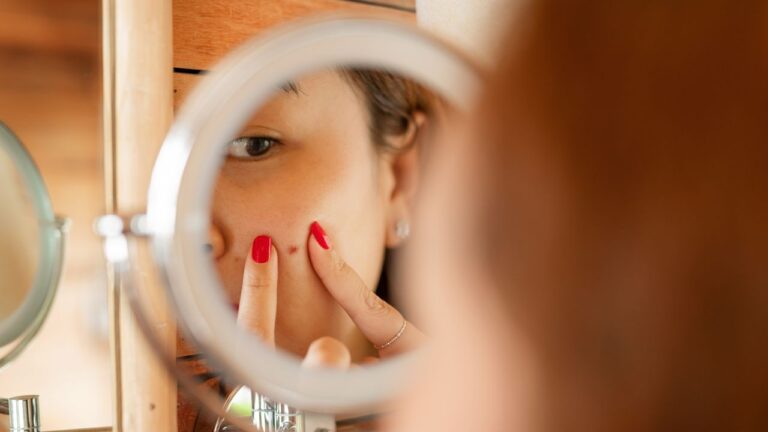
Dr. Hartman acknowledges this habit’s appeal while offering a compromise rather than demanding cold-turkey abstinence. “You get one good squeeze per day,” he says. If the pimple releases its contents on that single attempt and the plug comes out cleanly, cover the area immediately with a pimple patch to protect the broken skin barrier while it heals.
The Damage Caused by Continued Picking
If that one squeeze doesn’t produce results, whether because the plug is deep-seated or the pimple contains inflamed fluid rather than extractable material, hands off becomes the rule until tomorrow. Repeated squeezing accomplishes nothing except pushing bacteria and pore-clogging debris deeper into the lesion, prolonging healing time. The additional trauma increases the chances of post-inflammatory hyperpigmentation, those dark spots that linger long after the pimple itself disappears.
Products and Patches That Prevent Picking
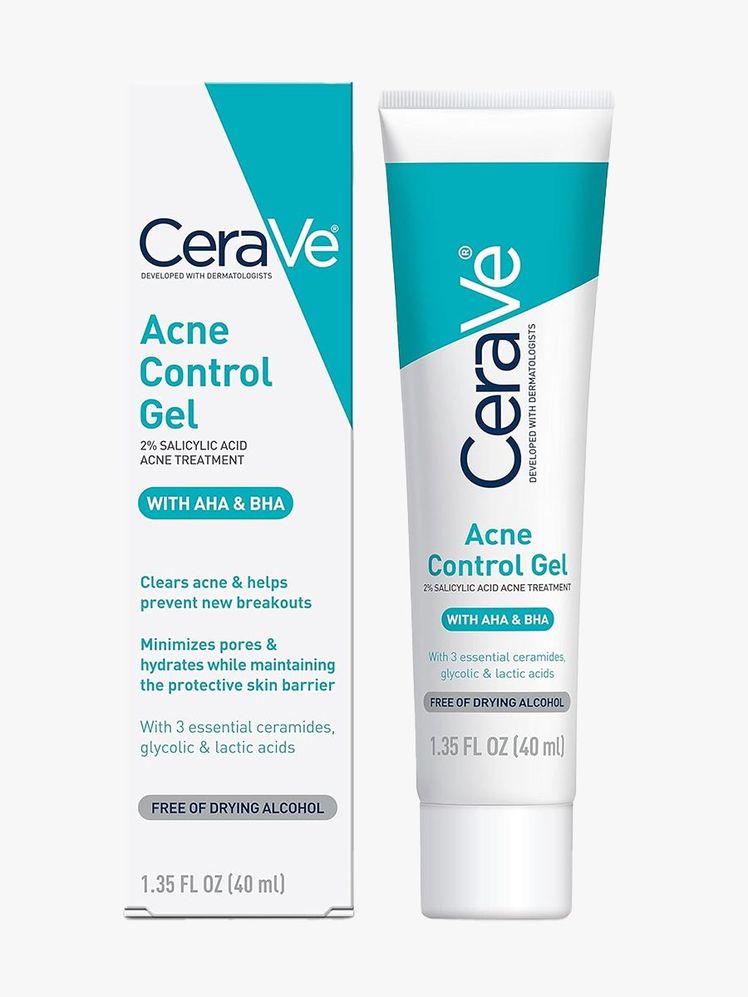
Physical barriers work best. Covering the blemish with a spot treatment containing 2% salicylic acid helps shrink the pimple while drawing out excess oil; hydrocolloid salicylic acid patches serve the same purpose while making the pimple impossible to pick at. According to Allure, effective options include Ceravé Acne Control Gel, Starface Hydro-Star Patches, and Hero Mighty Patch. Once something is covered, the urge to touch it loses its target.
Over-Cleansing and Aggressive Exfoliation
Good intentions pave the path toward over-cleansing. Patients eager to add exfoliation into their routine often reach for washcloths, silicone brushes with nubby textures, or mesh sponges. These tools feel like they’re “really working” because they create friction and redness. Dr. Hartman describes this as “too aggressive,” leading to irritation, redness, breakouts, and dryness rather than the glowing results patients expect.
The Double-Cleanse Trap
The double-cleanse ritual, using an oil-based or micellar cleanser followed by a gentle cream or gel formula, can feel luxurious and meditative. However, Dr. Hartman observes that more people double-cleanse than actually need to, and the result is over-cleansing that strips the skin of its natural moisture and causes irritation. Double-cleansing serves a purpose for those wearing full makeup or for oily skin types, and it does allow a medicated acne cleanser to reach bare skin after makeup removal. For most people on most days, however, a single gentle cleanser suffices.
The prescription is simple: pare your cleansing routine down to one good, fragrance-free cleanser. If you’re acne-prone, choose an oil-free option containing salicylic acid or another acne-fighting ingredient. This approach cleanses effectively while preserving your skin barrier rather than stripping it.
Source: Allure
Frequently Asked Questions
How long should I use a skin care product before deciding it doesn't work?
According to dermatologists, give products containing proven ingredients at least three months to work consistently. Retinoids require six months to show meaningful results, while peptides take two to three months.
Why do dermatologists recommend daily sunscreen if I'm only outside for a short time?
Most people accumulate more sun exposure than they realize through driving and incidental outdoor time. UV light is the number-one cause of skin aging and skin cancer, so dermatologists recommend SPF 35 or higher every day to prevent irreversible damage.
What should I do instead of picking at a pimple?
Limit yourself to one squeeze per day. If the pimple doesn't release on that attempt, leave it alone, since continuing to pick pushes bacteria deeper and prolongs healing. Cover it instead with a hydrocolloid patch or salicylic acid spot treatment, making it impossible to pick.
