

Key takeaways
- Xerosis stems from a compromised skin barrier lacking lipids and oils; rebuilding it requires consistent gentle cleansing, targeted moisturizing, and daily SPF.
- The most effective moisturizers combine humectants, emollients, and occlusives—petrolatum and ceramides are time-tested, affordable options that work better than luxury price tags.
- Retinoids and exfoliating acids can be used on dry skin if introduced slowly (2–3 times weekly) and always followed by hydrating moisturizer to support barrier repair.
- Winter amplifies dryness, so switch to richer creams, use a humidifier, keep showers short and lukewarm, and minimize exfoliation during cold months.
Tight, flaky, uncomfortable skin feels like a permanent state for many people, but dermatologists confirm that dryness responds well to the right approach. The condition, medically known as xerosis, stems from a breakdown in your skin barrier—the protective layer that holds onto moisture and blocks irritants. Rebuild that barrier, and your complexion can shift from rough and dull to smooth and supple again.
What Xerosis Actually Is
Dry skin occurs when the outermost layer of your epidermis lacks the lipids needed to seal in water and keep the barrier intact, according to Sejal Shah, MD, a board-certified dermatologist in New York City. Without sufficient oils and fats, your skin cannot retain hydration or defend itself effectively against environmental stressors. The result shows up as roughness, flaking, scaly patches, peeling, or dullness—and in severe cases, visible cracking and tightness that makes movement uncomfortable.
Dryness often runs alongside other conditions. Women experience it more frequently than men, and smokers report higher rates. Age accelerates it: as skin produces less oil and sweat with time, maintaining moisture becomes harder, says Caren Campbell, MD, a board-certified dermatologist in San Francisco. Weather, frequent swimming in chlorinated pools, prolonged hot showers, and indoor heating all trigger or worsen the condition. In some cases, xerosis signals an underlying issue—eczema, psoriasis, thyroid dysfunction, or diabetes can all present as stubborn dry skin, so persistent or severe dryness warrants a call to your dermatologist.
Dry Skin Is Not the Same as Dehydrated Skin
The two terms get used interchangeably, but they describe different problems. Dry skin means your barrier lacks oils; dehydrated skin means your cells lack water. Someone can have oily skin that feels dehydrated, or dry skin that feels fine—the symptoms overlap in confusing ways. Dehydrated skin tends to be temporary, triggered by environmental factors or product choices, whereas dry skin usually persists as a skin type. Knowing which you have matters because the fixes differ slightly. If your skin is dehydrated, a hydrating essence or toner can help; if it’s genuinely dry, you need barrier-repair ingredients first.
The Three-Product Foundation
You do not need a complicated routine to restore dry skin, according to Dara Spearman, MD, a board-certified dermatologist in Fort Wayne, Indiana. Cleanser, moisturizer, and sunscreen form the complete baseline. Everything else is optional.
Cleansing Without Stripping
Harsh soaps and foaming cleansers remove the natural oils your skin desperately needs, so swap them for a gentle, non-stripping formula. In the morning, water alone works fine; at night, use a creamy or oil-based cleanser. According to Allure’s testing, La Roche-Posay Toleriane Hydrating Gentle Cleanser removes makeup and dirt without drying, making it reliable for daily use on sensitive or compromised skin. For those with very severe dryness, a cleansing oil like Avène XeraCalm Lipid-Replenishing Cleansing Oil replenishes lipids while washing. If you prefer a lighter texture, Neutrogena Hydro Boost Hydrating Gel Cleanser delivers that squeaky-clean feeling without the tightness afterward.
Moisturizer: The Non-Negotiable Step
Moisturizer effectiveness depends on three ingredient categories working together. Humectants—hyaluronic acid and glycerin chief among them—pull water into the skin. Emollients like ceramides and squalane smooth the surface and soften rough patches. Occlusives such as petrolatum, silicones, and shea butter seal everything in and prevent water from evaporating. According to Dr. Shah, the best moisturizers contain all three types, since they work synergistically. Price and packaging matter far less than what’s inside the tube.
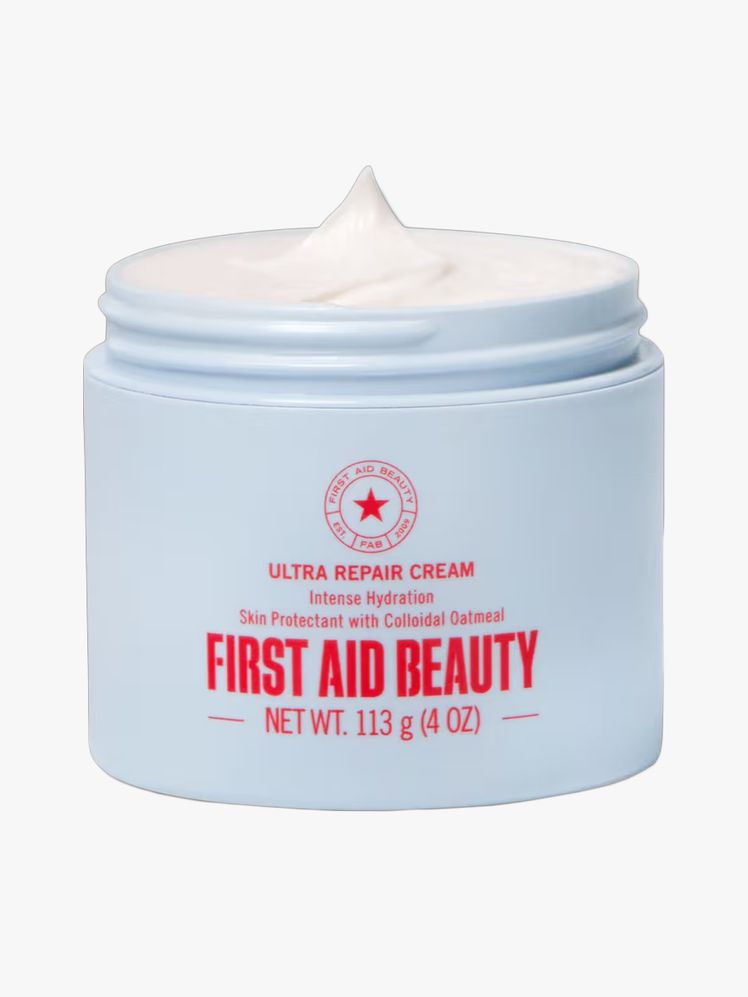
For very dry skin, petrolatum ranks among the most time-tested and effective options available. It reduces transepidermal water loss—the technical term for moisture escaping through your barrier—more reliably than nearly any other ingredient. Classic Vaseline Petroleum Jelly remains one of the most affordable sources. If you want something less greasy, CeraVe Moisturizing Cream blends three ceramides with hyaluronic acid to restore barrier function and attract moisture simultaneously; its thicker consistency suits tight, flaky, or rough complexions. Those with milder dryness can use a lighter lotion instead: Vanicream Enhanced Moisturizer works well on sensitive skin but suits other types too, while First Aid Beauty Ultra Repair Cream combines colloidal oatmeal, squalane, and glycerin to soothe irritation and hydrate at once. For mature skin types, Dr. Campbell recommends SkinCeuticals Triple Lipid Restore for its barrier-supporting lipids and triglycerides.
Sun Protection Every Single Day
Sunscreen is mandatory regardless of weather or season—think of it as preventive care for your future skin health. All broad-spectrum SPF 30 options work, but some suit dry skin especially well. According to Allure editors who tested the formulas, CeraVe AM Facial Moisturizer SPF 30 multitasks as both moisturizer and sunscreen at an accessible price, making it easy to include in your routine consistently. First Aid Beauty Hydrating Sunscreen Milk offers a lightweight, almost watery alternative with soothing colloidal oatmeal for those who dislike heavy textures.
Ingredients and Habits to Minimize
Fragrance-free formulas tend to be gentler than scented ones, so prioritize them if your skin is sensitive or very dry. Alcohol-heavy products actively dehydrate, so scan ingredient lists for ethanol or denat. alcohol high up. Over-exfoliating damages the barrier faster than almost any other mistake: excessive scrubbing, frequent chemical peels, and daily use of active ingredients all compromise the protective layer you’re trying to restore.
Behavior matters as much as products. Extremely hot showers strip oils; frequent bathing does the same. If you shower daily, keep water temperature lukewarm and sessions brief. Pat skin dry instead of rubbing it—friction irritates an already-fragile barrier. Apply moisturizer to slightly damp skin so it seals in water rather than just sitting on the surface. In winter, when heating systems run constantly indoors, a humidifier in your bedroom helps counteract the moisture loss.
Adding Retinoids and Exfoliating Acids Safely
People with dry skin often fear active ingredients because of their drying reputation, but you can incorporate them if you move slowly. Start with a gentle retinol just twice or three times per week, applied to completely dry skin, followed by a hydrating moisturizer—or even a layer of moisturizer before the retinol if your skin is especially sensitive. This buffering approach reduces irritation while your barrier adjusts. Increase frequency only after several weeks of tolerance.
The same graduated approach applies to AHAs and BHAs. Choose a lower concentration, use the product once or twice weekly, and always follow with a hydrating moisturizer to support barrier repair. Stop immediately if your skin feels tight, burns, or looks red and irritated; give it time to recover before reintroducing actives. You can push harder after your barrier has healed.
Adjusting Your Routine for Winter
As temperatures drop and indoor heating kicks in, your skin faces increased moisture loss. Dr. Shah recommends switching to richer cream formulations instead of lightweight lotions—a cream usually outperforms lotion for dryness, and applying it more than once daily is fine if your skin still feels tight. For especially rough patches or problem areas, layer petrolatum or a similar ointment over your moisturizer to seal in extra hydration. Do not over-exfoliate during these months; your barrier needs all the support it can get. Include rich hand creams and lip balms in your winter lineup too, since hands and lips crack and chap first when humidity drops.
When to Call Your Dermatologist
Most dry skin responds to consistent, simple care at home. However, severe, persistent dryness—especially when accompanied by intense itching, visible cracking, or redness—may indicate a condition requiring professional treatment. If your skin feels atypical or raises concerns, schedule an appointment. Dryness linked to eczema, psoriasis, or other medical conditions needs targeted medical care, not just moisturizer.
- Hyaluronic acid and glycerin attract and hold water; ceramides and squalane soften skin; petrolatum and silicones seal moisture in.
- Gentle cleansers, consistent moisturizing, and daily SPF form the complete foundation for managing xerosis long-term.
- Retinoids and exfoliating acids work for dry skin if introduced slowly and always followed by hydrating moisturizer.
- Winter intensifies dryness, so switch to richer creams and reduce exfoliation during colder months.
Source: Allure
Frequently Asked Questions
What is the difference between dry skin and dehydrated skin?
Dry skin lacks oils and fats needed to seal in moisture, while dehydrated skin lacks water. Dehydrated skin is usually temporary and can affect any skin type, even oily skin. Dry skin typically persists as a skin type and requires barrier-repair ingredients to improve.
What are the three ingredient categories that make a moisturizer effective for xerosis?
Humectants like hyaluronic acid and glycerin attract water into the skin. Emollients such as ceramides and squalane soften and smooth the surface. Occlusives including petrolatum and silicones seal moisture in and prevent water loss. The best moisturizers contain all three working together.
How often should I use retinoids if I have dry skin?
Start with a gentle retinol just 2–3 nights per week, applied to completely dry skin, then follow with a hydrating moisturizer or even apply moisturizer before the retinol if your skin is very sensitive. Increase frequency only after your skin adapts over several weeks.
