
Key takeaways
- Niacinamide reduces sebum production by 20 to 30 percent over four weeks at concentrations between 2 and 5 percent, making pores appear smaller after eight to twelve weeks.
- The ingredient strengthens the skin barrier by increasing ceramide production, making it ideal to pair with irritating actives like retinoids or vitamin C.
- Effective niacinamide serums and moisturizers range from $5 to $58, with efficacy plateauing around 5 percent concentration regardless of price.
- Results are most visible in oily, sensitive, and acne-prone skin, but the ingredient provides no benefit to dry skin with a healthy barrier.
Niacinamide shows up on ingredient lists with the frequency of retinol but attracts a fraction of the hype. That gap exists partly because niacinamide does not transform skin visibly in four weeks, and partly because its benefits cluster in the understated category: a stabler moisture barrier, less reactive skin, pores that appear smaller over time. The science is solid. The experience is gradual. Here’s what the ingredient actually changes.
What Niacinamide Is and How It Works
Niacinamide is the amide form of vitamin B3. The skin converts it to NAD+, a coenzyme that drives energy production in cells. This shift matters. Unlike some skincare actives that work through irritation or strong chemical reactions, niacinamide nudges cells toward their normal job: repairing the barrier, regulating oil, making collagen. The effect is measurable but operates quietly.
Research distinguishes niacinamide from nicotinic acid, another B3 form that flushes and irritates skin. Niacinamide does neither. It tolerates combination with almost any other ingredient, which is why it appears in cleansers, toners, serums, and moisturizers from budget to luxury brands alike.
The Oil and Pore Effect
How Niacinamide Reduces Sebum
Studies show niacinamide decreases sebum secretion by roughly 20 to 30 percent over four weeks at concentrations between 2 and 5 percent. The mechanism: niacinamide inhibits lipid synthesis in sebaceous glands without suppressing the gland’s structural integrity or blocking pores outright.
This is not the same as mattifying powder. The reduction is real, happens inside the gland, and persists as long as you use the ingredient. A person with oily skin using a niacinamide serum or moisturizer daily will notice their T-zone stays matte longer and powder or blotting sheets become less necessary.
Pore Appearance
Smaller sebum output means less stretching of pore walls. After eight to twelve weeks of consistent niacinamide use, pores read as visibly smaller in before-and-after photography from dermatology studies. The pore is not actually shrinking; the channel is less distended. For someone with large, visible pores on the cheeks or nose, this shift is genuine but modest, not dramatic.
Skin Barrier Strengthening
Niacinamide increases ceramide and free fatty acid production in the stratum corneum, the skin’s outermost layer. Ceramides are lipid molecules that seal cells together and prevent water loss. More ceramides mean a tighter barrier, less irritation, and better tolerance of other actives.
This is why dermatologists often recommend niacinamide to people using retinoids, acids, or vitamin C serums. A moisturizer with niacinamide can reduce the irritation flare that sometimes accompanies a new retinoid routine. It does not prevent the retinoid from working; it stabilizes the skin around it.
People with sensitive skin, rosacea, or compromised barriers from over-exfoliation or climate see measurable improvements in redness and rough texture within three to four weeks. The improvement traces to barrier repair, not to masking inflammation.
Anti-Inflammatory and Antioxidant Action
Niacinamide reduces pro-inflammatory cytokines like TNF-alpha and IL-6. In clinical trials, it calms rosacea, rosacea-prone skin, and acne-prone skin, though the effect is secondary to its barrier function. The ingredient does not attack acne bacteria directly; it reduces the inflammatory cascade that makes acne worse.
Its antioxidant capacity is milder than vitamin C or green tea, but it accumulates in the skin and works continuously without the instability that plagues vitamin C powders. Long-term antioxidant protection from niacinamide is real but plays a supporting role.
How to Use Niacinamide Effectively
Concentration and Frequency
Effective niacinamide concentrations start at 2 percent. The industry standard in serums and targeted treatments is 4 to 5 percent. Going above 5 percent does not increase efficacy; some users report flushing or irritation above this range. Twice-daily use is standard and safe. Morning or night makes no difference to efficacy, though morning application under makeup is common because it sets a matte base.
Combining with Other Actives
Niacinamide pairs safely with retinoids, vitamin C, AHAs, BHAs, and benzoyl peroxide. It does not degrade, chelate, or reduce the activity of other ingredients. The only real incompatibility is with acids at pH below 3.5, where niacinamide can theoretically convert to nicotinic acid; products formulated correctly avoid this pairing.
Applying niacinamide and retinoid in the same routine, for example a niacinamide serum at night followed by retinoid thirty minutes later, is safe and common. Niacinamide often softens retinoid irritation.
Timeline to Results
Barrier effects like reduced tightness and less irritation appear within one to two weeks. Oil reduction takes four weeks to show in visible skin. Pore appearance changes require eight to twelve weeks of consistent use. This tempo is slower than retinoid or acid results but more stable and without the adaptation cliff that comes with exfoliants.
Products at Different Price Points
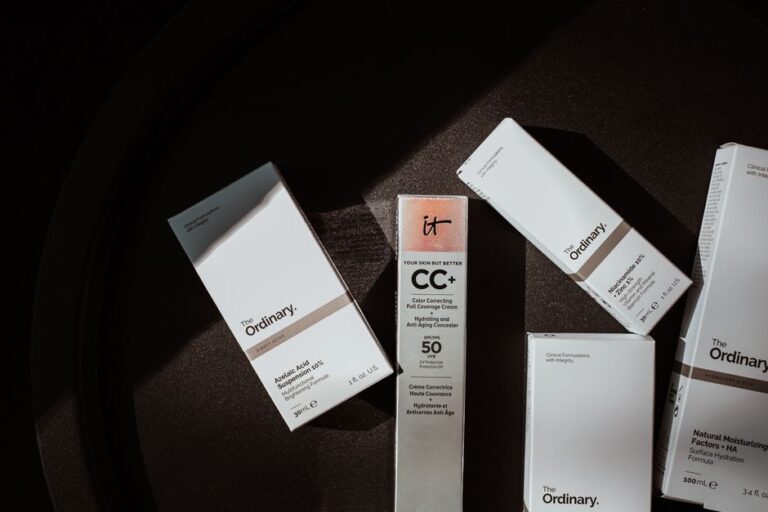
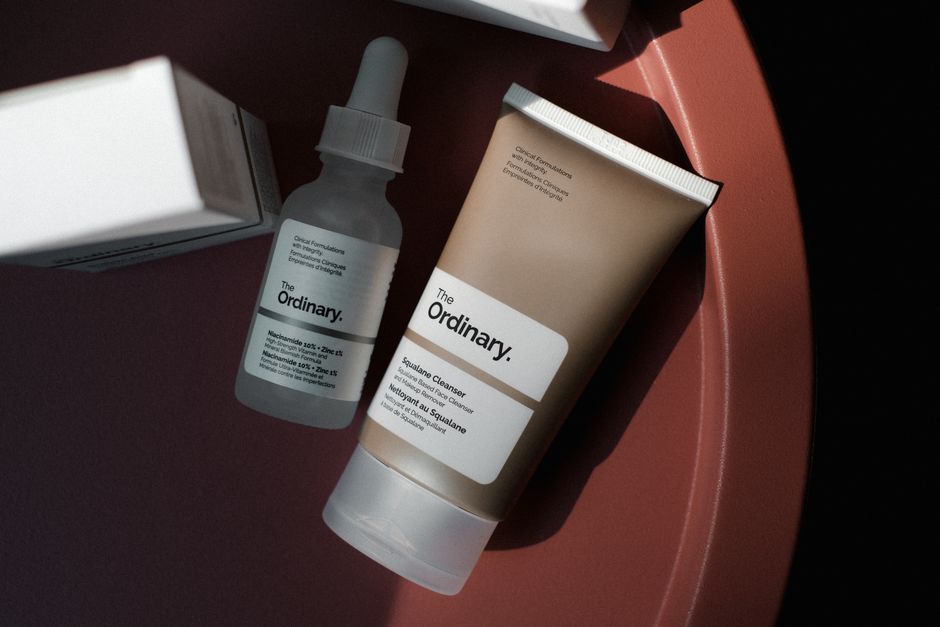
Budget options like The Ordinary Niacinamide 10% + Zinc 1% (around $5 to $7) deliver measurable sebum reduction and barrier support. The formula is basic but effective. CeraVe PM Facial Moisturizing Lotion and Cetaphil Rich Hydrating Night Cream (each around $12 to $15) include niacinamide alongside ceramides and glycerin, targeting sensitive skin and barrier repair.
Mid-range serums include Glossier Super Pure (around $50), a niacinamide and zinc serum with a silky texture, and La Roche-Posay Toleriane Purifying Foaming Cleanser (around $12), which cleanses without stripping because niacinamide supports the barrier during washing.
Premium options like Paula’s Choice 10% Niacinamide Booster (around $58) offer higher concentration with stable formulation and thorough research backing. Price above $50 for niacinamide usually reflects brand positioning or additional ingredients rather than superior niacinamide efficacy; the ingredient itself plateaus in effectiveness around 5 percent.
Who Benefits Most and Realistic Limitations
Niacinamide delivers the most visible results for oily, sensitive, and acne-prone skin. People with rosacea, post-procedure inflammation, or eczema see genuine calming. Those using drying actives like retinoids or benzoyl peroxide benefit from barrier support.
Results flatten for dry skin with no barrier damage. A person with healthy, dry skin using niacinamide will notice no difference because there is no excess oil to reduce and the barrier needs no strengthening. It does no harm, but it solves no problem.
Niacinamide cannot reverse deep pores, erase acne scars, or substitute for a full routine. It is a supporting ingredient, not a lead actor. Expecting dramatic results mimics the mistake many people make with skincare: the ingredient works within its narrow scope, which is substantial but not transformative.
Frequently Asked Questions
Can I use niacinamide with retinoids?
Yes. Niacinamide pairs safely with retinoids, vitamin C, AHAs, BHAs, and benzoyl peroxide. Many people apply a niacinamide serum first, then add retinoid 30 minutes later, as niacinamide can soften retinoid irritation.
How long does it take to see results from niacinamide?
Barrier effects appear within one to two weeks. Oil reduction takes four weeks to show visibly. Pore appearance changes require eight to twelve weeks of consistent daily use.
What concentration of niacinamide actually works?
Effective concentrations start at 2 percent. The industry standard is 4 to 5 percent. Going above 5 percent does not increase efficacy and may cause irritation in some users.
