
Key takeaways
- Eczema-related inflammation weakens the skin barrier and traps keratin, causing secondary milia when skin cells aren't shed properly.
- Strong topical steroids and heavy occlusive moisturizers can worsen milia, so ask your dermatologist about milder alternatives and use occlusive products only on eczema patches.
- Retinoids speed up skin-cell turnover to prevent keratin buildup, but use the sandwich method—moisturizer before and after—to avoid dryness and irritation.
- Shower for 5 minutes or less in lukewarm water and apply moisturizer to damp skin immediately after to lock in hydration and stabilize eczema.
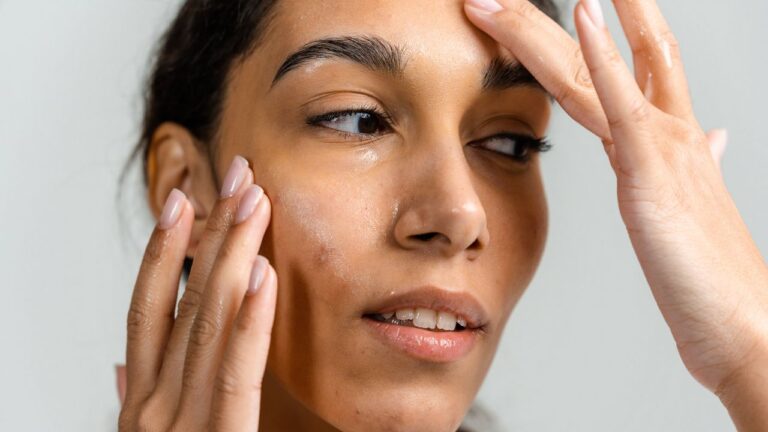
Nearly 32 million Americans experience eczema, with atopic dermatitis being the most common type. The condition creates patches of skin that are dry, scaly, and intensely itchy. For many people managing this chronic inflammation, another skin concern emerges alongside it: milia. These small, hard bumps filled with keratin cluster around the eyes, cheeks, and other delicate areas of the face. While milia may look like typical whiteheads, they’re fundamentally different—and often far more stubborn to treat. Milia are tiny, hard, keratin-filled bumps that are white, yellow, or skin-colored and tend to pop up around the eyes and on the cheeks, notes Dara Spearman, MD, a board-certified dermatologist in Fort Wayne, Indiana.
For some people with eczema, the relationship between these two conditions goes beyond coincidence. When someone with atopic dermatitis develops milia, it’s often what dermatologists call secondary, or traumatic, milia—a direct consequence of the eczema itself.
How Eczema Treatment Backfires
The irony of treating severe atopic dermatitis is that the very tools used to calm inflammation can inadvertently create the conditions for milia to develop. When someone has chronic inflammation from eczema, that weakens the skin barrier and affects how the skin sheds dead cells, explains Dr. Spearman. This disruption in the skin’s natural shedding process allows keratin to accumulate beneath the surface, forming the characteristic bumps of secondary milia.
The problem extends to medications themselves. Long-term use of potent topical steroids, while essential for controlling eczema inflammation, changes how skin cells regenerate. These powerful medications can leave skin thinner and more vulnerable to keratin entrapment. Thinner skin can be more prone to keratin becoming trapped under the surface, causing secondary milium, Dr. Spearman notes.
The moisturizers recommended for eczema relief add another layer of complexity. Occlusive ingredients like petroleum jelly and shea butter seal in moisture, which is beneficial for treating eczema’s dryness. However, when applied excessively or to milia-prone areas, these same ingredients can trap keratin beneath the skin. The challenge becomes particularly pronounced for certain populations. As we age our skin loses moisture, and melanin-rich skin often has lower levels of lipids called ceramides, so this group tends to moisturize more. But when you use heavy oils or creams on the skin, you can form milia, Dr. Spearman explains. This means older adults and people with darker skin tones face a delicate balancing act: they need robust moisturization to maintain skin health and comfort, yet they’re also more vulnerable to milia formation.
Controlling Eczema to Reduce Milia
The first priority in managing both conditions simultaneously is stabilizing your eczema. A calm skin barrier creates the optimal environment for secondary milia to resolve on its own, making eczema control the foundation for addressing milia.
Adjusting Your Medication Regimen
If you’re currently prescribed a strong topical steroid, discuss with your dermatologist whether a milder formula might suffice, particularly if you’re also experiencing milia. A less potent steroid may still effectively reduce inflammation, especially when combined with other changes. Beyond traditional steroids, alternatives exist. There are also some newer nonsteroidal anti-inflammatory creams that can treat the eczema without thinning the skin or causing milia, according to Dr. Spearman. These options may take longer to show results, but they avoid the skin-thinning side effect that fuels milia formation.
Environmental and Lifestyle Adjustments
Where you live and how you bathe significantly impact eczema severity. Dry air and prolonged exposure to hot water strip moisture from the skin and trigger flares. During drier months, a humidifier helps maintain ambient humidity and prevents skin from losing water. When showering, brevity matters: shower for five minutes or less—just jump in and jump out, advises Christina Lee Chung, MD, a board-certified dermatologist in Philadelphia. Water temperature matters equally. It’s better for your skin’s moisture levels to stick with lukewarm water and shower just once a day or even every other day, if possible, Dr. Chung stresses. The cumulative effect of these small changes can meaningfully reduce how often eczema flares.
Perfecting Your Daily Skin Care Routine
Once you’ve addressed eczema with medication and environmental changes, your daily routine becomes the next frontier. The products you use to cleanse and moisturize either support or undermine your efforts.
Choosing the Right Cleanser
The type of body wash or soap you reach for after a shower matters more than most people realize. Antibacterial soaps strip away the protective oils your skin needs, especially in areas already compromised by eczema. However, you needn’t abandon antibacterial products entirely. If you want to use an antibacterial soap in hot spots like the groin or armpits, that’s fine, says Dr. Spearman. But on the rest of your body, use a non-antibacterial cleanser so you don’t strip extra moisture.
Dr. Spearman particularly recommends Dove’s Soothing Relief wash, which is formulated with colloidal oatmeal—an ingredient that simultaneously moisturizes and calms itching. The brand’s product carries the National Eczema Association’s Seal of Acceptance, meaning it has been tested for safety and effectiveness in eczema-prone skin.
Moisturizing Without Triggering Milia
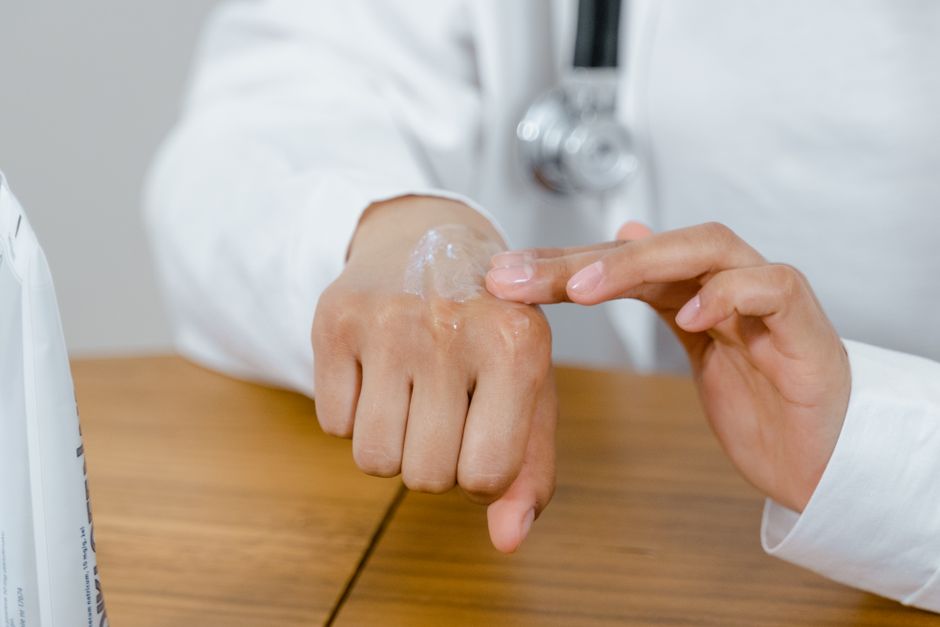
The timing and method of moisturizing determine its effectiveness. After your shower, pat your skin dry and apply moisturizer as soon as you towel off while it’s still moist, advises Dr. Chung. This technique traps water molecules within the skin rather than allowing them to evaporate. Both CeraVe’s Moisturizing Cream and Cetaphil’s Moisturizing Cream earn endorsement from the National Eczema Association and provide reliable hydration for eczema skin.
For areas requiring extra comfort, Dr. Spearman recommends Aquaphor’s Moisturizing Cream, which also carries the association’s seal. However, use heavier occlusive products tactically. Avoid using these products in areas where milia tends to pop up, and instead think of them as spot treatment for stubborn eczema patches, Dr. Spearman advises. Apply them only where eczema is most severe, not across the entire face or in milia-prone zones like the delicate eye area.
Retinoids: Addressing Milia at the Source
When eczema is controlled and moisture is optimized, retinoids offer a targeted approach to milia. These compounds, derived from vitamin A, work by accelerating skin-cell turnover and exfoliating dead skin. By increasing how quickly skin cells shed, retinoids reduce the likelihood that dead cells and keratin will trap beneath the surface and form milia.
For people with eczema, starting with milder, over-the-counter retinoid formulations is wise. Patients with eczema should start with milder over-the-counter options, says Dr. Spearman. The caveat is that these milder formulations do take longer to lead to improvement, but it helps people stick to the routine when they are so well-tolerated. Cocokind’s Advanced Retinol Gel carries the National Eczema Association’s seal, making it a safer choice for sensitive skin. Dr. Spearman is also a fan of Olay’s new Regenerist Retinol 24 Starter Lotion, though this product does not carry the association’s endorsement.
Managing Retinoid Irritation With the Sandwich Method
Retinoids can trigger dryness and potentially worsen eczema if not used carefully. To buffer irritation while maintaining efficacy, dermatologists recommend the sandwich method: apply a light moisturizer to clean skin, wait for it to dry, apply the retinoid, and then layer another moisturizer on top. Wait 10 minutes between applying each product to preserve efficacy, Dr. Spearman notes. While this approach lengthens your evening routine, it substantially reduces the risk of irritation.
This caution is especially important for people with darker skin tones. Irritated skin triggers melanocytes—the cells that produce melanin—to either increase pigment production or drop pigment entirely. People of color have a lot of melanocytes. When they have skin irritation, the melanocytes get irritated, too, and they do one of two things: They make more melanin, or they drop pigment, so you end up getting patches of lighter or darker skin, explains Dr. Chung. The sandwich method, by minimizing irritation, also protects against unwanted pigmentation shifts.
Professional Options When Self-Care Isn’t Enough
For milia that don’t respond to retinoids and skincare adjustments, dermatologists can manually extract the bumps using a sterile needle or scalpel. This approach offers immediate results but carries a possibility of scarring, making it a last resort for most people. In many cases, however, the combination of controlled eczema, optimized moisturizing, and consistent retinoid use resolves both concerns without professional intervention.
Frequently Asked Questions
Can you use the same moisturizer on your entire face if you have both eczema and milia?
No. Apply heavy occlusive moisturizers like petroleum jelly only as spot treatment on eczema patches and avoid milia-prone areas around the eyes and cheeks. Use lighter moisturizers like CeraVe or Cetaphil on the rest of your face.
How long does it take for retinoids to clear milia?
Milder over-the-counter retinoids take longer to show results than prescription-strength options, but dermatologists recommend starting with gentler formulations because they're better tolerated and help people stick with their routine.
Why are people with darker skin tones more prone to eczema and milia complications?
Melanin-rich skin has naturally lower levels of ceramides (lipids needed for moisture retention), so people with darker skin need more moisturizing. However, heavy products increase milia risk, and skin irritation from retinoids can trigger melanocytes to make extra melanin or drop pigment, causing darker or lighter patches.
