
Key takeaways
- Styes, milia, and pimples account for most eyelid bumps, each requiring different approaches from warm compresses to professional extraction by a dermatologist.
- Skin tags, warts, and tumors demand professional evaluation—self-removal risks complications and cannot rule out serious conditions like skin cancer.
- Double-cleansing nightly and avoiding thick eye products significantly reduce risk of developing most common eyelid bumps caused by inflammation and chronic irritation.
- Any eyelid bump that bleeds, grows rapidly, or persists beyond a week warrants immediate dermatologist evaluation to rule out malignant conditions.
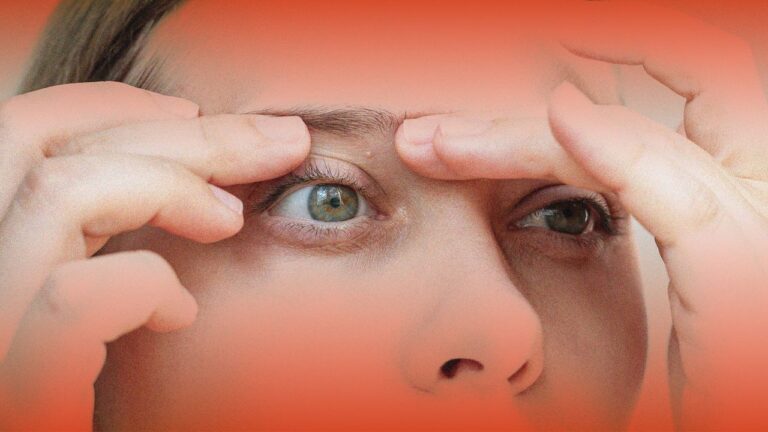
A bump on your eyelid can catch your attention instantly, whether it appears at the lash line, on the eyelid itself, or in surrounding areas. Most eyelid bumps are harmless and resolve without intervention, but identifying what you’re dealing with matters. We spoke with three board-certified dermatologists to break down six types of eyelid bumps, why they form, how to treat each one, and what to do to prevent them.
Styes: The Most Common Culprit
What causes a stye
According to Arash Akhavan, MD, a board-certified dermatologist and founder of The Dermatology and Laser Group in New York City, “A stye is a painful bump that occurs along the follicles of your eyelash region.” Styes form when an occluded tear duct becomes blocked by dead skin cells, keratin, and oils, explains Adam Friedman, MD, a board-certified dermatologist in Washington, DC.
The condition appears most often after eyelid irritation. Karan Lal, MD, a double board-certified pediatric and cosmetic dermatologist in Scottsdale, Arizona, notes: “I see a lot of styes from people who wear fake eyelashes, since they can irritate the oil glands and allow bacteria to grow.” Anyone can develop a stye at any time, but certain habits increase your risk.
Recognizing and treating styes
A stye displays as a red, swollen, painful bump either at the base of your eyelashes or just inside the eyelid. If severe, the surrounding area becomes inflamed and swollen as well.
Most styes clear on their own within a few days to a week, but you can speed healing with warm compresses. “Warm compresses soften and widen the pore to allow the blockage to pass,” Dr. Friedman says. Soak a washcloth in warm water, wring it out, and hold it against the stye for 10 minutes at a time. Anti-inflammatory medications such as Motrin also reduce inflammation and swelling, according to Dr. Lal.
Pimples Near the Eyes
Understanding pimples on and around the eyelid
Pimples form when an oil gland becomes blocked by skin cells, oil, and keratin, causing inflammation in the follicle. They can technically appear anywhere on your body, but “true pimples are not common close to the eyes,” says Dr. Akhavan. “Typically, it’s going to be a stye or one of the other more traditional eyelid bumps.” Pimples more frequently develop around the cheekbone and eyebrow rather than directly on the eyelid.
Treatment options for eye-area pimples
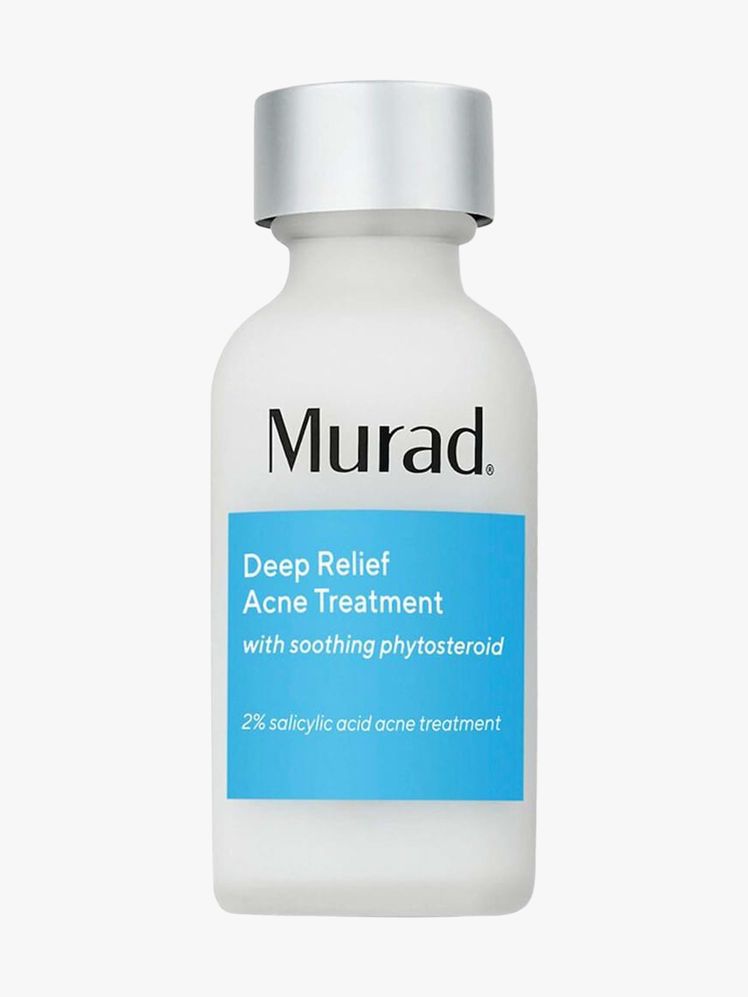
When identifying a potential pimple, look for white-tipped bumps, flesh-toned clogged pores, or inflamed cystic acne—though professional evaluation helps when lesions appear near your eye. For pimples in the surrounding eye area but not on the eyelid itself, apply your usual acne products, including gentle salicylic-acid spot treatments like Murad Deep Relief Acne Treatment or medicated pimple patches such as Peace Out Acne Healing Dots.
If the pimple sits directly on your eyelid or lash line, treat it like a stye with warm compresses or let it heal on its own. If it persists beyond a week or worsens, see your dermatologist for proper diagnosis.
Milia: Keratin-Filled Bumps
Milia form when dead skin cells—specifically keratin—become trapped beneath the skin and harden into small bumps that never come to a head. These commonly appear around the eyes and cheeks.
Milia often get mistaken for whiteheads, but they’re distinctly different. “Milia are never inflamed,” Dr. Akhavan explains, “meaning they won’t get red like acne or a stye. They’re just dome-shaped, non-inflamed bumps filled with keratin. There’s no pus or inflammation or bacterial component.”
Most milia require professional removal by a dermatologist, who makes a small nick in the skin to extract the hardened keratin. Attempting at-home removal is futile—the overlying skin is thicker than it appears, and the bump’s solid interior resists extraction the way a marble cannot pass through fabric. If you prefer avoiding a dermatologist, topical retinoids like adapalene may slowly resurface the skin’s outer layer and eventually clear small milia.
Skin Tags: Benign Fleshy Growths
Skin tags are completely harmless, non-cancerous overgrowths that occur in all humans, especially in areas prone to friction—under the breasts, in the armpits, in neck folds, and around the eyes. “Rubbing and friction is the recipe for skin tags,” Dr. Lal says. Genetics contribute to formation, but skin tags also associate with PCOS, obesity, and diabetes, all of which influence growth hormones.
These fleshy growths extend outward from a small fibrous stalk and typically appear darker than your surrounding skin, sometimes resembling a wart or mole. This visual similarity makes professional diagnosis important. Never attempt removal yourself; instead, see your dermatologist. For small tags, your doctor can freeze them with liquid nitrogen to destroy the cells. For larger, thicker tags, numbing the area and surgically removing the growth is often the preferred approach. Both procedures finish quickly and cause only brief stinging.
Warts: The HPV Connection
What causes warts
Warts are raised bumps that appear anywhere on the body, including the face and eyelids. “All warts are caused by the human papillomavirus (HPV), which is super common and contagious,” says Dr. Lal. “Once you scratch a wart and get it into your nails, you can transmit to another area on your skin.” This contagious nature makes them a concern, especially in easily irritated areas like around the eyes.
Why professional removal matters
Warts appear in many different forms depending on their location—flat like a mole or raised like a skin tag. Broadly speaking, “warts have a cobblestone appearance that just looks wart-like,” Dr. Lal notes. Because warts closely mimic moles and skin tags (both of which should never be self-treated, particularly near your eyes) and spread easily, professional evaluation is essential. Your dermatologist typically treats warts by freezing or surgically removing them.
Tumors: When Evaluation Becomes Urgent
A tumor is an abnormal mass of tissue growth that can be malignant (cancerous) or benign (non-cancerous). While “tumor” sounds concerning, even a mole technically qualifies as one, so don’t panic. The majority of tumors and growths end up being benign, but all require professional evaluation and biopsy to rule out serious conditions.
Tumors can look like virtually anything—a mole, a fluid-filled cyst, a pimple, milia, or a skin tag. “If you have a bump that bleeds easily or that’s actively growing, get it checked out because it could be skin cancer,” Dr. Lal warns. Treatment depends entirely on tumor type; your dermatologist typically begins with a skin biopsy, which may involve numbing and shaving off the growth as the first step and potentially the final step as well.
Prevention: Your Best Defense
Understanding why eyelid bumps form
“The cause of most eyelid bumps—like milia, pimples, and styes—tends to be some kind of inflammation or chronic irritation,” says Dr. Akhavan. “The top of the follicle will get clogged, and the keratin will get blocked in, which can also lead to inflammation.” The skin around your eyes contains cells that are stickier and more prone to irritation than elsewhere on your face, Dr. Lal notes.
Daily habits that prevent bumps
Both dermatologists recommend avoiding thick, heavy products around the eyes and removing all makeup thoroughly each night. “In my experience, bumps are mostly caused when people repeatedly don’t wash off products and fall asleep with makeup,” Dr. Akhavan says. Establish a double-cleanse routine before bed to dramatically reduce bump formation. While you cannot change your genetics or guarantee you’ll never develop another eyelid bump, these preventive habits make a substantial difference. When any bump appears and refuses to leave, professional consultation remains your safest option—your eyesight is never worth risking.
Frequently Asked Questions
What is the most common cause of eyelid bumps?
Most eyelid bumps result from inflammation or chronic irritation when follicles become clogged with dead skin cells, keratin, and oils. Friction from rubbing, makeup left overnight, and heavy eye products increase risk significantly.
Can you safely remove milia or skin tags yourself?
No. Milia have thicker overlying skin and solid interiors that make at-home extraction impossible, and skin tags require professional freezing or surgical removal to prevent complications, especially near the sensitive eye area.
When should you see a dermatologist about an eyelid bump?
Seek professional evaluation immediately if a bump bleeds easily, grows rapidly, or if you cannot identify it yourself. Any bump persisting beyond one week also warrants professional diagnosis to rule out serious conditions.
