
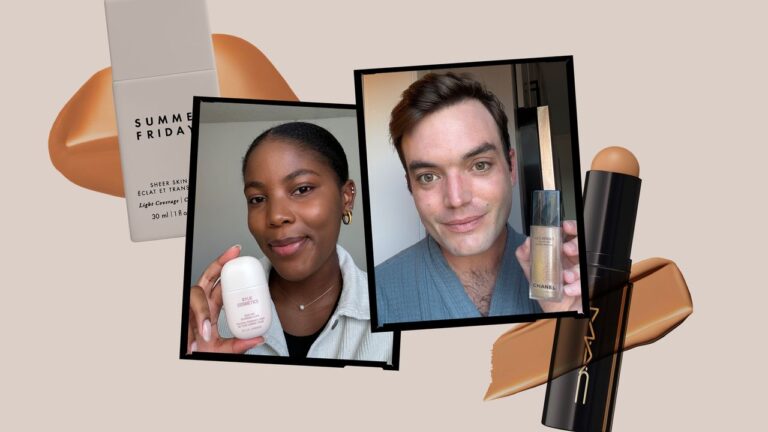
Key takeaways
- Skin tints deliver sheer to medium coverage through hydrating ingredients like glycerin, sodium hyaluronate, and peptides instead of heavy pigmentation.
- Water-based systems, amino-acid-coated pigments, and targeted emollients allow coverage that lets your skin texture show through instead of masking it.
- Format options—fluid, balm, and stick—suit different needs: balms for seamless blending, sticks for targeted application, and liquids for full-face coverage.
Skin tints occupy a distinct space in the makeup world, neither full-coverage foundation nor tinted skincare. The category delivers sheer to medium pigment that evens tone, softens redness, and reduces discoloration while letting skin texture remain visible. Unlike foundations requiring application precision and removal commitment, these fluid, serum-like, and solid formulas blend quickly—often with just fingers—and feel weightless on skin. The category has begun to blur into skincare, with hydrating ingredients like glycerin, hyaluronic acid, and squalane proving central to performance.
Understanding Coverage and Ingredients
That overlap between makeup and skincare drives formula architecture. Glycerin pulls water into the skin; squalane and ceramides lock moisture and support the skin barrier. Niacinamide strengthens barrier resilience while evening uneven tone. Some add SPF; others include peptides for long-term firming. The finish varies too: some deliver juicy radiance, others prioritize soft blur and shine control. That ingredient density means these aren’t purely color products—they function as treatment while providing coverage.
Water-Based Hydration Strategies
Microdroplet Suspension Systems
Water forms the foundation of many leading formulas. Chanel’s Les Beiges Water-Fresh Tint builds on water as 75 percent of its composition, with glycerin and tamarind seed extract preventing dehydration. The formula suspends tiny pigment-filled microdroplets in this mostly transparent base; as you blend, the droplets release color gradually, evening tone without visible deposits. Makeup artist Camila Mancipe (Westchester, New York) confirms that despite the hydration focus, the oil-free formula won’t feel heavy on oily skin—it settles without residue.
Layered Hydration and Humectants
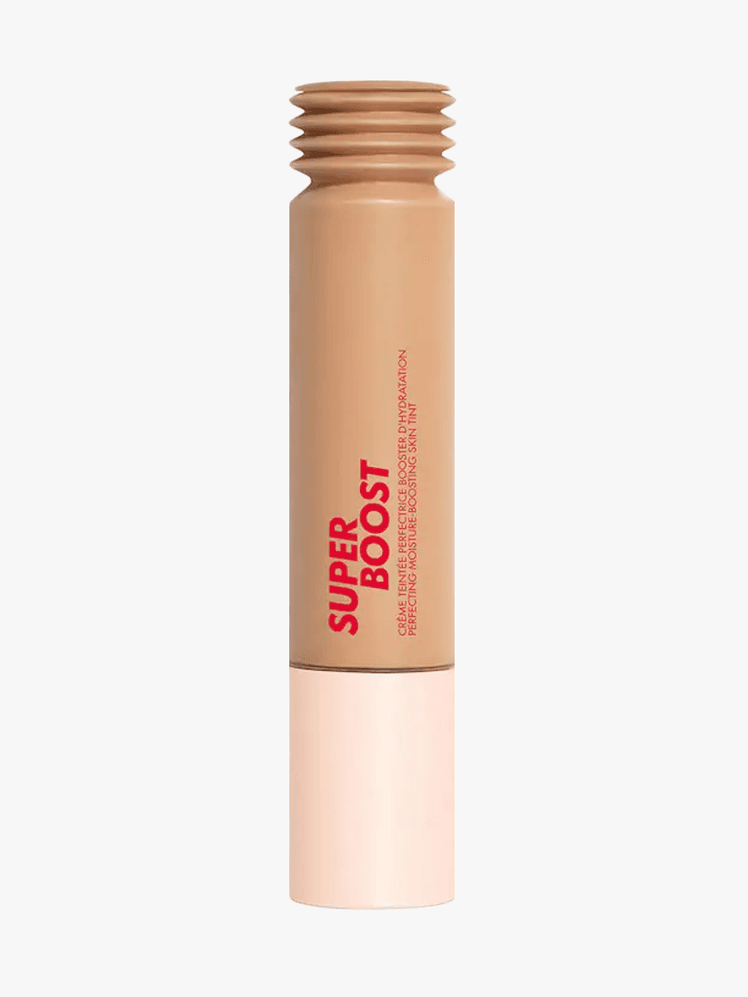
Make Up For Ever’s Super Boost Lightweight Moisturizing Skin Tint stacks additional hydration layers. Makeup artist Anluis Minier (New York City) describes the texture as “comparable to face serums, but still has buildable coverage.” Sodium hyaluronate—a salt form of hyaluronic acid—binds water at the skin’s surface for temporary plumping and smoothing. Polyglutamic acid, more commonly found in dedicated hydration serums, attracts additional moisture. Glycerin draws water in; squalane prevents it from escaping. Dimethicone and other silicones add slip over dry patches, keeping the formula weightless across all skin types.
Solid and Stick Formats for Control
Melting Balm Technology
Not every skin-tint format flows. IT Cosmetics’ Do It All Hydrating Sheer Tint Face Balm, winner of a 2026 Best of Beauty Award, takes a solid approach—a “serum” with tint that melts into featherlight texture on contact. Glycerin and sodium hyaluronate drive hydration; vitamin E moisturizes and protects; peptides improve firmness and fine line appearance over time. Executive beauty director Jenny Bailly reports going through multiple jars: the balm hides redness and dark spots without appearing as a mask, feels cool on application, and works with fingers for travel or a fluffy brush (she uses the IT Cosmetics Heavenly Luxe Complexion Perfection Brush #7) for sheer finish.
Anhydrous Stick Application
MAC’s Studio Radiance Skin Tint Stick stands alone as the only anhydrous option—containing no water at all, making it ideal for portability without spill risk. The stick format allows targeted application: over nose redness, cheek discoloration, anywhere needing coverage without committing to full face. Breathable emollients create creamy glide; sunflower seed oil and fatty acids (linoleic, linolenic, oleic) soften and condition; açaí and radish seed extracts provide antioxidants; vitamin E conditions; kaolin absorbs excess oil. For those finding water-based formulas too dewy, this delivers radiance with shine control.
Pigment Technology and Blur Effects
Silicone-Based Soft Focus
Coverage depends on how pigment behaves in formula. Fenty Beauty’s Eaze Drop Blurring Skin Tint reverses the dewy priority—while including glycerin, sodium hyaluronate, and urea for moisture, the silicone-heavy base drives spreadability and soft-focus effect. Dimethicone smooths pores and texture; talc and silica absorb excess sebum for shine control. Makeup artist Magen Grays (Atlanta) notes this “feels more modern than a traditional matte base, striking that tricky balance where there’s enough hydration to avoid skin looking flat or chalky, but it still keeps excess shine in check.”
Amino-Acid Pigment Coating
Drunk Elephant’s Kamo Triple-Peptide Cover Drops uses amino-acid-coated pigment—color particles treated with amino acids that disperse evenly, glide smoothly, and adhere better for less patchy coverage. A 4 percent peptide complex improves firmness and fine lines over time. Supporting that: 11 amino acids, glycerin, sodium PCA, sodium lactate for hydration, and squalane, marula oil, green tea seed oil for conditioning and softer surface. Contributing editor Deanna Pai found one or two drops sufficient for full-face coverage that stayed put through humidity, delivering coverage for dark spots and clogged pores without feeling heavy.
Choosing Application Tools and Method
Skin tints work with minimal tooling. Most blend seamlessly with fingers—commerce editor Sarah Han uses her fingers for 90 percent of blending with Fenty’s Eaze Drops, reaching for a sponge only at nose and perimeter to avoid streaking. Tool choice shapes finish: Jenny Bailly found that a large fluffy brush yields the sheerest version of IT Cosmetics’ balm, while fingers deliver more opacity. Chanel includes a complexion brush with its Les Beiges Water-Fresh Tint, acknowledging that some prefer tool application. Stick formats like MAC’s offer precision—you control where pigment lands via direct swipe.
Ingredient Matching by Skin Concern
Coverage ranges from sheer (Chanel, IT Cosmetics, Fenty when applied lightly) to medium (Drunk Elephant), and matching your formula to your needs prevents over-application. Those with extensive hyperpigmentation or melasma often pair sheer tints as a base layer with targeted serum concealers for spots requiring opacity. Sensitive skin demands gentleness: commerce director Shanna Shipin’s dermatitis-prone eyelids tolerated Chanel’s formula without irritation—a marker of careful formulation. Texture and dry-patch concerns find success with hydration-forward options like Make Up For Ever and Chanel, both smoothing visually while hydrating.
For photography or video, silicone blur (Fenty’s Eaze Drops) or amino-acid pigment smoothing (Drunk Elephant) prevents the shine and texture amplification cameras exaggerate. Those seeking naturally glowing appearance gravitate toward Make Up For Ever and IT Cosmetics, both designed to let skin’s radiance show through rather than matting it down. CoverGirl’s Clean Fresh Nourishing Skin Tint adds 2 percent niacinamide to its light-to-medium coverage formula, bringing barrier support into a familiar option.
Frequently Asked Questions
Can you apply skin tints with your fingers?
Yes. Most skin tints are designed to blend seamlessly with just fingers. Commerce editor Sarah Han uses her fingers for 90 percent of blending with Fenty's Eaze Drops, and executive beauty director Jenny Bailly applies IT Cosmetics' balm formula with her fingers when traveling.
What's the difference between a skin tint and a foundation?
Skin tints offer sheer to medium coverage that lets your skin texture remain visible, while foundations typically deliver full coverage and feel like a commitment to wear. Skin tints often include skincare ingredients like hydrating serums and blend quickly without application precision required.
Which skin tint is best for oily skin?
Fenty Beauty's Eaze Drop Blurring Skin Tint includes dimethicone, talc, and silica to absorb excess sebum and control shine without feeling heavy. Chanel's Les Beiges Water-Fresh Tint also works well on oily skin because its oil-free formula settles without leaving residue, according to makeup artist Camila Mancipe.
