
Key takeaways
- Antiperspirants block sweat with aluminum compounds, while deodorants mask odor—choose based on whether you prioritize sweat control or natural moisture balance.
- Body odor isn't caused by sweat alone but by bacteria interacting with thick secretions from apocrine glands in specific body areas like the underarms and groin.
- Formula types range from aluminum-free options using magnesium and starch for sensitive skin to clinical-strength antiperspirants with up to 20% aluminum for heavy sweaters.
- Apply deodorants to clean, dry skin and allow drying time before dressing; nighttime application maximizes antiperspirant effectiveness by working while sweat production naturally decreases.
Finding an effective deodorant or antiperspirant is more personal than many realize. The formula that works for someone navigating a hot gym might fail for someone with sensitive skin, and neither may suit a person dealing with hyperhidrosis. Whether you’re concerned about visible stains on your favorite shirt, underarm irritation from shaving, or simply want to smell fresh without harsh chemicals, the right product can make the difference between a confident day and a frustrating wardrobe moment.
Antiperspirant vs. Deodorant: Understanding the Difference
The terms get tossed around interchangeably, but antiperspirants and deodorants serve distinctly different purposes. Antiperspirants contain aluminum compounds that temporarily plug sweat ducts, reducing the amount of perspiration that reaches the skin’s surface. Deodorants, by contrast, do not prevent sweating at all. Instead, they address odor through fragrance, bacteria-reducing ingredients, or both.
When evaluating which type suits your needs, consider what problem you’re actually trying to solve. If sweat itself is the primary concern—such as during intense activity or in hot weather—an antiperspirant will provide more noticeable control. If odor is the issue but you want to allow your body to sweat naturally, a deodorant is the better choice.
How Body Odor Actually Develops
The science behind body odor reveals why location matters. According to board-certified dermatologist Mona A. Gohara, MD, of Branford, Connecticut, the underarms, groin, buttocks, and feet are particularly prone to odor. These areas contain apocrine glands that produce a thicker, milkier substance compared to the sweat from other parts of the body.
Sweating itself isn’t the culprit. Instead, body odor emerges when naturally occurring bacteria on your skin feast on the secretions from apocrine glands. As dermatologist Shereene Idriss, MD, based in New York City, has explained, this bacterial action produces the unpleasant smell. This is why some people can sweat through an entire workout and smell fine, while others develop odor quickly even with minimal perspiration—the issue is the interaction between bacteria and specific gland secretions, not simply the amount of sweat.
Understanding this process illuminates why different formulas work. Deodorants target the bacteria directly, while antiperspirants prevent the secretions from reaching the surface in the first place. Some formulas, particularly natural options, rely on ingredients like baking soda or tapioca starch to absorb moisture, which also reduces the environment where odor-causing bacteria thrive.
Selecting the Right Formula for Your Skin
Aluminum-Free Options for Sensitive Skin
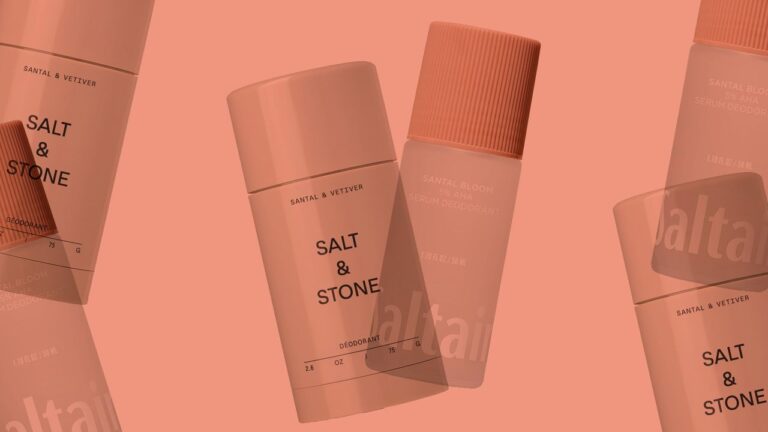
If your underarms feel irritated by conventional deodorants or if you prefer to avoid aluminum, aluminum-free formulas can still deliver odor control. These typically use magnesium compounds, zinc derivatives, or starch-based absorbents instead. According to Allure’s testing, Salt & Stone’s Aluminum-Free Deodorant uses magnesium to neutralize odor-causing bacteria while tapioca starch absorbs excess moisture. The formula also includes spirulina, shea butter, and niacinamide for skin conditioning. Available in six fragrances including a Best of Beauty-winning Santal & Vetiver option, it glides smoothly without transfer onto clothing.
For those prioritizing hydration, Herbivore’s Coco Rose Deodorant combines squalane, coconut and castor oils, and tremella mushroom to prevent moisture loss while using tapioca starch for absorption. The sweet scent profile—coconut, rose, berry, and vanilla bean—won a 2026 Best of Beauty Award in the Clean category.
Heavy-Duty Options for Excessive Sweating
When sweat control becomes a priority, antiperspirants with higher aluminum concentrations deliver measurable results. Secret’s Clinical Strength Completely Clean Invisible Solid contains 20% aluminum zirconium tetrachlorohydrex gly, which board-certified dermatologist Dara Spearman, MD, of Fort Wayne, Indiana, has identified as the maximum concentration available over the counter. According to Allure’s extended testing across seasons, this formula addresses heat, activity, and stress-related sweating effectively. Paired with nourishing castor oil, bisabolol, and hyaluronic acid, it applies invisibly without white marks and earned a 2026 Best of Beauty Award.
The Dove Advanced Care Antiperspirant Deodorant Spray, a 2024 and 2026 Best of Beauty winner, uses 20% aluminum chlorohydrate for sweat blocking while incorporating moisturizing sunflower seed oil. Its alcohol-free formula prevents irritation common in spray deodorants. According to Allure’s reporting, the spa-like Cool Essentials scent resonated with editors, and the formula dries to a nearly weightless finish with no residue.
Formulas for Irritated or Recently Shaved Underarms
Post-shaving sensitivity, ingrown hairs, and friction irritation require gentler, more targeted care. Curie’s Clean Deodorant Stick specifically avoids baking soda—a common irritant—in favor of tapioca starch. Enriched with cocoa butter, fruit extracts, aloe, and vitamin E oil to calm redness, the formula addresses irritation while controlling odor. It comes in eight scented varieties plus an unscented option for fragrance-sensitive skin.
Another approach combines exfoliation with soothing properties through mandelic and lactic acids alongside polyhydroxy acid. This 2023 Best of Beauty winner helps smooth texture and reduce bumps while maintaining skin comfort through niacinamide, xylitol esters, and glycerin. The roll-on applicator distributes the formula evenly without streaking.
Top-Performing Products Across Categories
Beyond clinically focused options, several products balance performance with sensory appeal. Native’s Coconut & Vanilla Deodorant Spray, a past Best of Beauty winner, provides a lightweight alternative to stick formulas. The fast-drying spray features niacinamide and triglyceride for skin comfort and comes in seven scent options including the signature tropical blend. Unlike chalky spray formulas, this one delivers a fine mist that feels refreshing without causing coughing fits.
Ban’s AHA Roll-on Serum Deodorant offers a serum-based approach using three types of alpha hydroxy acids—lactic, shikimic, and mandelic acids—balanced with anti-inflammatory plant extracts including sandalwood and barley. The smooth rollerball applicator prevents heavy residue and makes application quick. According to Allure’s testing, the formula keeps underarms dry and comfortable during heatwaves and intense activities.
For those concerned with uneven skin tone, SheaMoisture’s Even Tone Deodorant Stick, a Best of Beauty winner, combines niacinamide with sea buckthorn extract (a vitamin C derivative) to fade hyperpigmentation. Shea butter, glycerin, and sunflower seed oil provide additional moisturization, addressing irritation from shaving or friction.
Megababe’s The Santal Deo, an aluminum-free option, uses magnesium hydroxide and zinc ricinoleate for odor reduction while ceramides, shea butter, and castor and coconut oils soothe stressed skin. The warm scent profile—sandalwood, violet, and amber—offers an elevated alternative beyond typical fruity or fresh deodorant notes.
When to Consider Clinical-Strength Formulas
Clinical-strength deodorants represent a more heavy-duty tier between regular deodorants and prescription treatments. According to dermatologist Dara Spearman, MD, this category becomes appropriate when sweating begins impacting confidence, clothing choices, or social comfort. Even with good hygiene practices, clinical formulas usually contain higher concentrations of active sweat-reducing ingredients like aluminum salts, which temporarily block sweat ducts more effectively than standard options. These work well for people with hyperhidrosis or those whose sweating is triggered by stress, hormonal changes, or intense activity.
The distinction matters because clinical-strength doesn’t simply mean stronger formulation—it means measurably higher active ingredient concentration designed to address the physiological process of sweating itself, not just masking its effects.
Application for Best Results
How you apply your deodorant or antiperspirant affects its effectiveness. Most formulas benefit from a few seconds of drying time before dressing, preventing transfer to clothing. If you use an antiperspirant, many dermatologists recommend applying it at night when sweat production naturally decreases, allowing the aluminum compounds to work most effectively. Morning application works too, but the nighttime approach can maximize the plugging effect before the day’s activity begins.
For spray formulas, allow extra drying time and apply in even layers rather than one thick coat. Roll-on serums and sticks glide most smoothly on clean, dry skin, so morning showers followed by immediate application tend to work best. Give any new deodorant or antiperspirant at least three to five applications before deciding whether it works for you, since your skin’s bacteria may take a few days to adjust to a new product.
Source: Allure
Frequently Asked Questions
What's the difference between antiperspirant and deodorant?
Antiperspirants contain aluminum compounds that temporarily plug sweat ducts, reducing perspiration that reaches the skin. Deodorants don't prevent sweating but instead address odor through fragrance or bacteria-reducing ingredients.
Why do some people get body odor faster than others?
Body odor develops when bacteria on your skin interact with thick secretions from apocrine glands in the underarms, groin, buttocks, and feet. It's not just about the amount of sweat, but about bacterial action on specific gland secretions.
Which deodorant formula is best for sensitive skin?
Aluminum-free deodorants using magnesium or zinc compounds, along with starch-based absorbers like tapioca starch, provide odor control without irritation. Formulas with niacinamide, shea butter, and soothing plant extracts offer additional skin conditioning for sensitive underarms.
