
Key takeaways
- Fig fragrances are trending this fall, with new releases ranging from woody and sweet to fresh and citric interpretations of the note.
- Fig doesn't yield an essential oil, so perfumers create it using synthetic molecules that emphasize different parts of the plant—the fruit, leaves, branches, or sap—giving each perfumer room for interpretation.
- Fig sits at the intersection of multiple fragrance families—green, fruity, creamy, woody, and floral—making it versatile enough to work on any skin and bridge the gap between summer warmth and autumn crispness.
The Fig Fragrance Moment
Fig fragrances have emerged as a dominant trend for fall, with new releases appearing from major houses and niche brands alike. Perfumers approach the fig note from multiple angles, creating fragrances that range from fruity and honeyed to fresh and green. This surge reflects a shift in fragrance preferences: consumers are moving away from the heavy gourmands of recent years, yet still seeking scents with an edible, sensual quality.
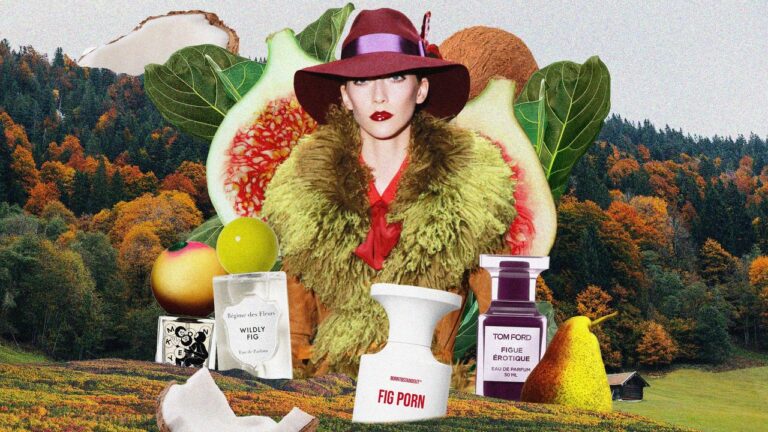
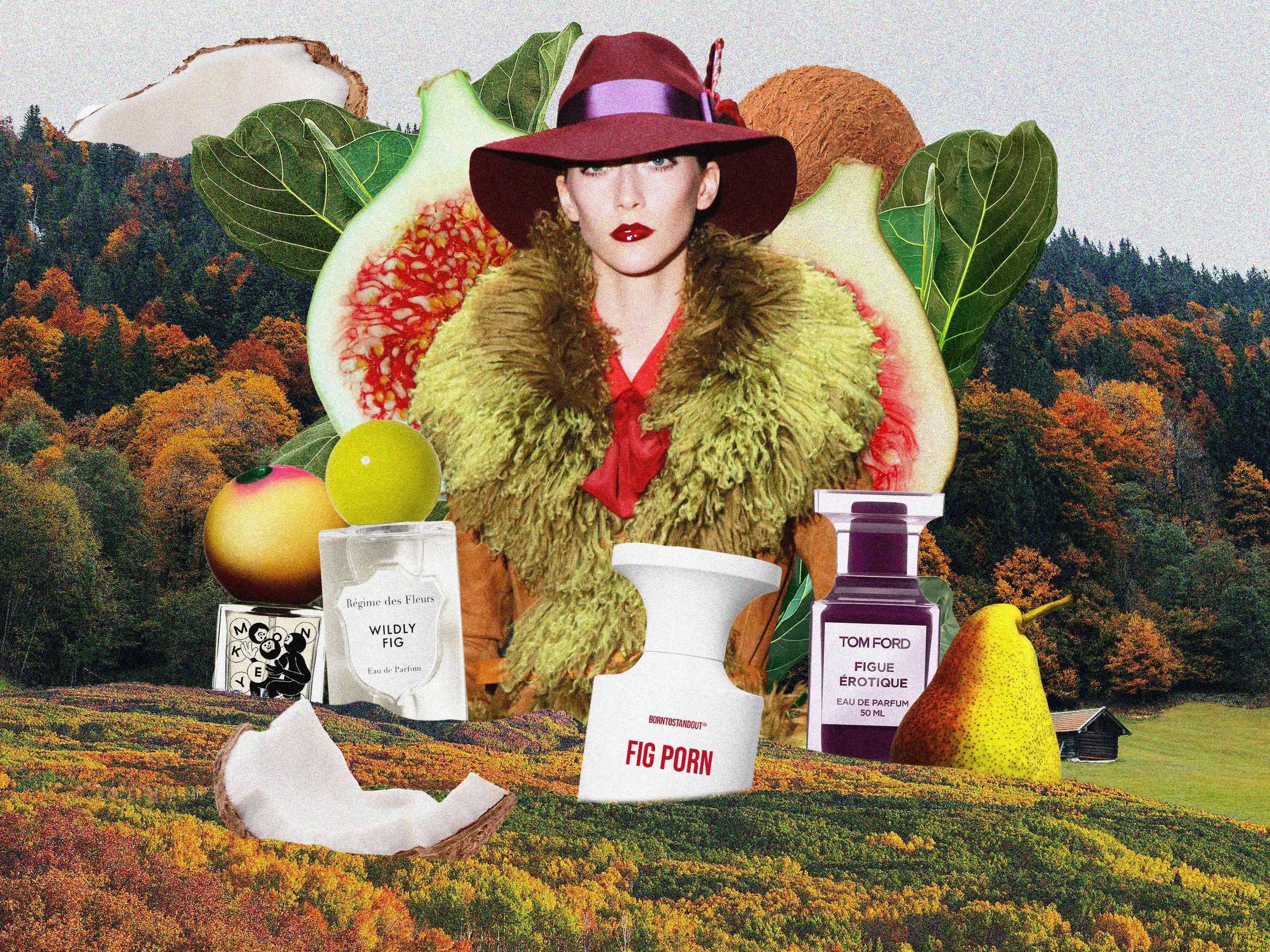
The timing makes commercial sense. Major releases this season include Tom Ford’s Figue Érotique, which takes a woody, ambery approach to the fruit; Malin+Goetz’s return of its Moroccan Fig; and Born to Stand Out’s Fig Porn for those drawn to decadently sweet compositions. Established fragrances continue to find an audience as well—Dior’s Dioriviera and Chloé’s Atelier des Fleurs Plage du Figuier remain popular, while newer entries like Régime des Fleurs’ Wildly Fig add a fresh dimension to the category.
Why does fig feel so timely? According to Allure’s assessment, the note manages to feel both exotic and familiar—exotic because it isn’t as widely used in mainstream fragrance as fruits like apple or peach, yet familiar because the olfactive profile taps into universal associations with warmth, nature, and slower living. This combination appeals to consumers looking for sophistication without alienation.
Understanding Fig as a Fragrance Note
What Perfumers Actually Work With
Fig presents a unique challenge for fragrance creation: the fig plant itself does not yield an essential oil. Instead, perfumers build the fragrance using synthetic molecules arranged into what is called a fig accord. Olivia Jan, a senior perfumer at Givaudan, explains that this dependence on synthesis “leaves a lot of room for interpretation.”
The complexity deepens when you consider which part of the fig tree a perfumer emphasizes. Each part—the fruit, the leaves, the branches, even the sap—carries its own olfactive identity. The fruit itself shifts across its lifecycle: when freshly picked, it smells delicate and slightly floral; once dried, it becomes dark, jammy, and resinous. A perfumer might prioritize the milky quality of the sap, the woodiness of the branches, or the sharp green notes released when fig leaves are crushed.
The Pioneers and Their Legacy
L’Artisan Parfumeur’s Premier Figuier, launched in 1994, holds the distinction of being the first fig fragrance on the market. Olivia Giacobetti, the perfumer behind that groundbreaking composition, went on to create another fig standard: Diptyque’s Philosykos, regularly cited by fragrance professionals as the quintessential fig perfume. These two works established a framework that continues to influence the category today, even as newer perfumers pursue their own artistic directions.
Contemporary Approaches to Fig
Sweetness and Depth
Granado’s new Figo Confit exemplifies the approach of amplifying a fig’s luxurious side. Perfumer Nathalie Benareau created this composition by layering a candied fig note with davana, date, and plum—what she describes as a formula designed to convey “richness, texture, and enveloping depth.” The strategy treats fig not as a single note but as the center of a cluster, where complementary ingredients amplify its inherent sweetness and create a more voluptuous overall effect.
Floral and Solar Interpretations
Not every contemporary fig fragrance chases sweetness. Ane Ayo, the perfumer behind Chloé’s Atelier des Fleurs Plage du Figuier, took a different tack. Her concept focused on capturing the hidden flower that exists inside the fig fruit itself—a botanical feature many consumers never consider. By emphasizing this concealed floral element, Ayo created a composition that feels “luminous and solar, rather than overly sweet,” with pronounced floral and pulpy facets. According to her notes on the fragrance, the olfactive intention was to evoke the sensation of holding a ripe black fig on a warm Mediterranean beach.
Brightness and Tartness
Régime des Fleurs’ Wildly Fig demonstrates yet another interpretation. Founder and perfumer Alia Raza describes this composition as “neon green, tart, and alive”—a burst of airy, lemony fig with pistachio. This approach repositions fig as a bright, fresh element rather than a creamy or jammy one, appealing to those who prefer citrus-forward compositions or who find heavier fruity perfumes cloying.
Why Fig Works Across Fragrance Families
David Seth Moltz, cofounder and perfumer at D.S. & Durga, characterizes fig as “the great median accord.” This phrasing captures something essential about the note’s appeal: fig sits at the intersection of multiple olfactive families—green, fruity, creamy, woody, and floral—making it compatible with an unusually broad range of fragrance architectures. A fig composition can lean into green herbaceousness or creamy gourmand sweetness depending on how the perfumer constructs it; it can feel woody and earthy or bright and citric. Moltz suggests that fig may become “the rose of our era”—a must-have note that translates across gender presentations and personal taste preferences because its character is inherently unisex.
Seasonality: Between Summer and Fall
Fig fragrances bridge the gap between seasons with unusual elegance. As summer transitions into fall, fig carries lingering memories of summer warmth through its coconut-like undertones, yet its honeyed ripeness harmonizes perfectly with the damp-bark scents of fallen leaves that define autumn olfactively. A fig fragrance worn in September still evokes beach days; the same composition worn in October reads as unmistakably autumnal. This chameleon quality helps explain why the note has become so popular precisely as the calendar turns.
Women Defining Fig
An interesting pattern emerges when examining who creates fig fragrances: female perfumers appear disproportionately drawn to the note. Olivia Giacobetti, Nathalie Benareau, Ane Ayo, and Alia Raza have each shaped how contemporary perfumers approach the fig note through their creative choices and technical mastery. Yet the note itself remains entirely unisex in its appeal and wearability.
Ayo articulates a perspective worth considering: “I think people are drawn to fig because it feels both comforting and sophisticated. It has a natural warmth and sensuality, but also a freshness that keeps it modern. There is something very evocative about it. Even for people who have never been near fig trees, it conjures images of sunshine, nature, and a slower pace of life.” This blend of comfort and sophistication, accessible familiarity and subtle exoticism, may explain both why female creators favor the note and why consumers across all demographics are embracing fig fragrances this season.
Source: Allure
Frequently Asked Questions
What is a fig fragrance exactly?
Fig fragrances use synthetic molecules to recreate the scent of the fig plant, since the plant doesn't yield an essential oil. Perfumers interpret the note differently depending on which part of the plant they emphasize—some focus on the sweet fruit, others on the green leaves or woody branches.
Why are fig fragrances so popular this fall?
Fig fragrances feel both exotic and familiar, conjuring images of sunshine and nature that appeal to consumers moving away from heavy gourmand scents. The note also transitions elegantly between seasons, carrying summer's warmth while harmonizing with fall's damp-leaf scents.
Which perfumers pioneered the fig fragrance?
Olivia Giacobetti created L'Artisan Parfumeur's Premier Figuier in 1994, widely recognized as the first fig fragrance. She also formulated Diptyque's Philosykos, considered the quintessential fig perfume by fragrance professionals.
