
Key takeaways
- Dolly Parton's transparency about plastic surgery, Botox, and collagen injections separated her from celebrities facing public criticism for similar enhancements.
- Born into poverty in the Tennessee Smoky Mountains, Dolly embraced her childhood dream of becoming like a glamorous neighbor, turning 'cheap' aesthetics into artistic expression.
- Her refusal to deny cosmetic procedures, combined with candid admission that her public appearance required makeup, lighting, and wigs, redefined how audiences perceive beauty enhancement.
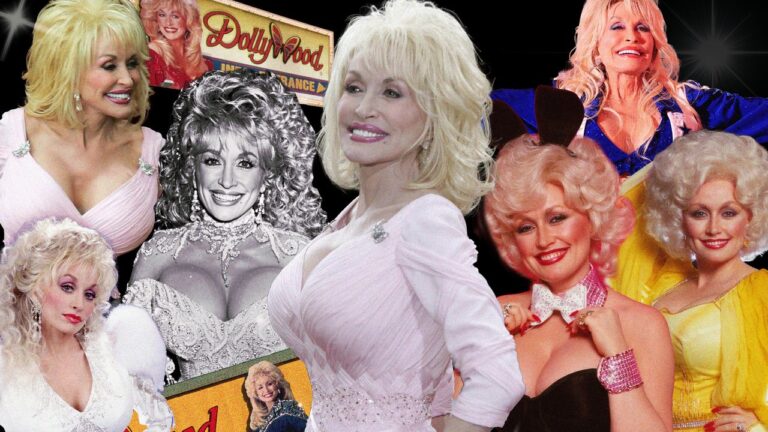
Dolly Parton’s approach to beauty fundamentally shifted how the public responds to female enhancement. Where other celebrities faced scrutiny and skepticism, Dolly received admiration. The difference was not her procedures—she underwent multiple facial surgeries, collagen injections, Botox treatments, and extensive cosmetic modifications. Rather, it was her relationship to those choices: she wrapped them in transparency, playfulness, and unshakeable confidence in who she wanted to be.
The Roots of an Aesthetic Vision
Dolly Parton was born in the Tennessee Smoky Mountains as the fourth among twelve children. Her family lived in profound poverty, a starting point that shaped her entire approach to glamour and appearance. As a young girl, Dolly witnessed a neighbor who wore makeup and painted her nails. To Dolly, this woman represented the ultimate in sophistication and allure. When she expressed that admiration to her mother, the response was swift: the woman was “trash.”
The child’s reaction became the blueprint for her adult identity. “Well, that’s who I want to be when I grow up,” Dolly replied. That simple declaration—embracing what her mother rejected—defined her trajectory. She did not just adopt a look; she chose an entire worldview about femininity, expression, and self-creation.
The Philosophy Behind the Look
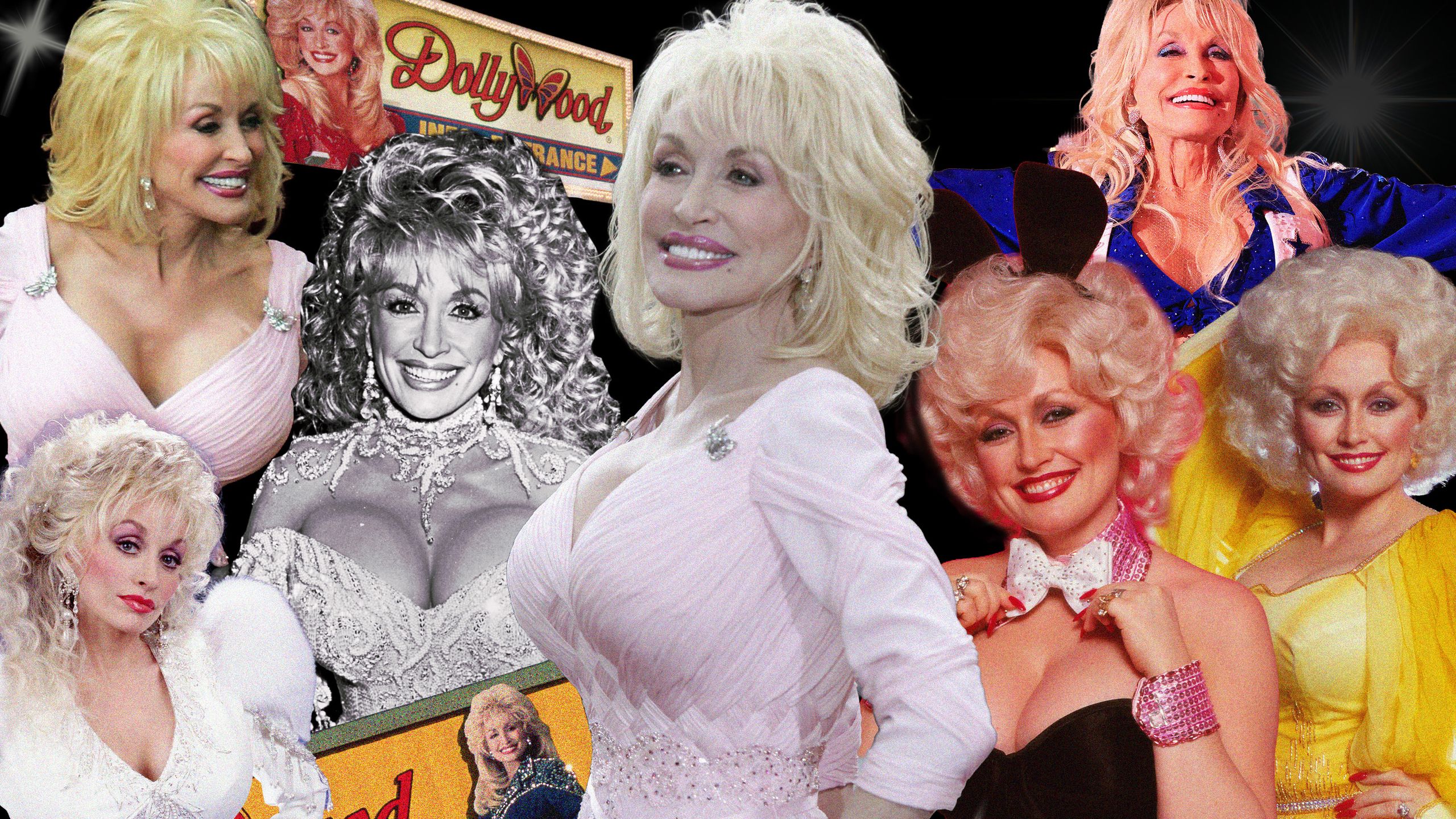
Dolly’s most quoted statement about her appearance encapsulates her philosophy: “It takes a lot of money to look this cheap.” The statement inverts conventional shame. Rather than apologizing for her artificial look, she announced it proudly. The “cheapness” was intentional; the artifice was the art.
In her memoir Dolly: My Life and Other Unfinished Business, she wrote about her decision to pursue cosmetic procedures. “Having had plastic surgery is something I am not embarrassed about,” she stated plainly. “I have done it and I will do it again when something in my mirror doesn’t look to me like it belongs on Dolly Parton.” This was not defense but declaration. She treated her face and body as a canvas to be refined according to her own vision of Dolly Parton.
The Power of Consistent Intention
What separated Dolly from targets of beauty criticism was this: her modifications stemmed from imagination and joy, not shame or insecurity. She was not reconstructing herself because she believed her natural form was inadequate. She was constructing a character, deliberately, the way an artist constructs a painting. That distinction—between correction and creation—became the key to public acceptance.
When interviewers asked about her procedures, she did not deflect. On Larry King Live, years ago, she discussed her multiple facial surgeries, the collagen in her lips, Botox injections, and other aesthetic work. When King asked why she would share such information, something most public figures keep hidden, Dolly’s answer was simple: “Well, because people like you ask me, and I don’t want to lie about it.” Honesty replaced evasion.
The Specifics of Her Aesthetic
Dolly’s visual identity involved distinct, recognizable elements. Her hair rose in mile-high cotton-candy formations that became her signature. Her fingernails grew to extremes, demanding maintenance and intention in every gesture. Her heels, so towering they required custom handmade construction, elevated her literally as well as figuratively. Each choice was excessive, deliberate, and unmistakably Dolly.
Makeup as Personal Declaration
Her approach to makeup rejected conventional restraint. In a 2020 video with Allure, she addressed critics who advised against certain choices: “I like a lot of makeup, daytime or nighttime. And I like colors. And a lot of people say, ‘Oh, don’t wear blue eye shadow.’ I said, ‘But I like blue eye shadow. I don’t care if it’s fashionable.’ They said, ‘Don’t buy a blue car.’ I like blue cars too. Blue’s blue, I love blue.” Makeup, for Dolly, was not about following rules. It was about claiming space and expressing preference without apology.
Transparency Versus Celebrity Silence
The contrast with other contemporary celebrities illuminates Dolly’s uniqueness. When Allure magazine asked Kim Kardashian about her appearance in a recent interview, the responses were notably guarded. The magazine’s description noted “insanely long eyelashes” that seemed to “fan like they’re advertising eyeballs,” and features described as “almost anime.” When asked directly what procedures she had, Kardashian acknowledged “a little bit of Botox” between her brows and claimed to have never had eyelash extensions, cheek or lip fillers—despite visual evidence suggesting otherwise.
Dolly never created that discrepancy. She did not force readers to wonder or guess. She refused the modern celebrity strategy of denial. That refusal to lie—combined with her evident comfort in her own skin—transformed public perception. Admiration replaced the judgment directed at other women with similar modifications.
The Reality Behind the Image
Dolly also managed audience expectations with honesty about the gap between her public and private appearance. When asked if her husband Carl Dean worried about maintaining a relationship with such a striking woman, she laughed and said, “Oh no, because he knows what I really look like.” She reminded audiences that the Dolly Parton on stage, in photos, and in public was a construction maintained through makeup, lighting, and wigs. Without those elements, she looked different. She wanted people to understand this distinction.
That honesty served another purpose: it prevented younger audiences from internalizing impossible beauty standards. She was not claiming that any woman could naturally look the way she did without surgery and extensive styling. She was showing them the work, acknowledging the costs, and refusing shame about the effort required.
The Lasting Influence
Spencer Kornhaber, writing in The Atlantic, captured Dolly’s essential contribution: “Piling on wigs and feathers, she showed that you can be yourself while playing a character.” Dolly proved that enhancement and authenticity were not opposites. A person could create an elaborate aesthetic self and still be entirely honest about who they were beneath it.
In a 2017 piece for Allure’s American Beauty issue, Dolly offered a definition of beauty rooted in character rather than appearance: “A true American beauty is a person who loves everybody regardless of race, religion, or sexual orientation.” She connected her glamorous exterior to an interior philosophy of acceptance. When asked about her approach to aging in a 2021 Allure interview, she said simply, “I’ll do what’s best for me, as everybody should.” She granted others the same permission she claimed for herself.
Dolly modeled a different way forward for how public figures could discuss their aesthetic choices. By refusing both shame and deception, she transformed the conversation. Her cosmetic procedures were not scandals to hide or evidence of insecurity to rationalize. They were simply part of who Dolly Parton chose to be.
Frequently Asked Questions
What cosmetic procedures did Dolly Parton undergo?
Dolly had multiple facial surgeries, collagen injections in her lips, Botox injections, and other aesthetic procedures. She discussed these openly in interviews like Larry King Live, refusing to hide her modifications.
How did Dolly Parton's approach to beauty differ from other celebrities?
Unlike celebrities who deny cosmetic work, Dolly was transparent about her procedures. She stated she was not embarrassed about plastic surgery and would do it again if needed. This honesty, combined with her playful approach, generated admiration rather than judgment.
What did Dolly Parton say about makeup and eyeshadow choices?
In a 2020 Allure video, Dolly defended her love of makeup and colors, specifically blue eyeshadow, saying: 'I don't care if it's fashionable' and 'Blue's blue, I love blue.' She approached makeup as personal expression, not conformity.
